Blog

Articles about memoir writing, family stories, and memory preservation.

The Seaweed Album That Carried a Journey Across Oceans
August 30, 2026

The Seaweed Album That Carried a Journey Across Oceans

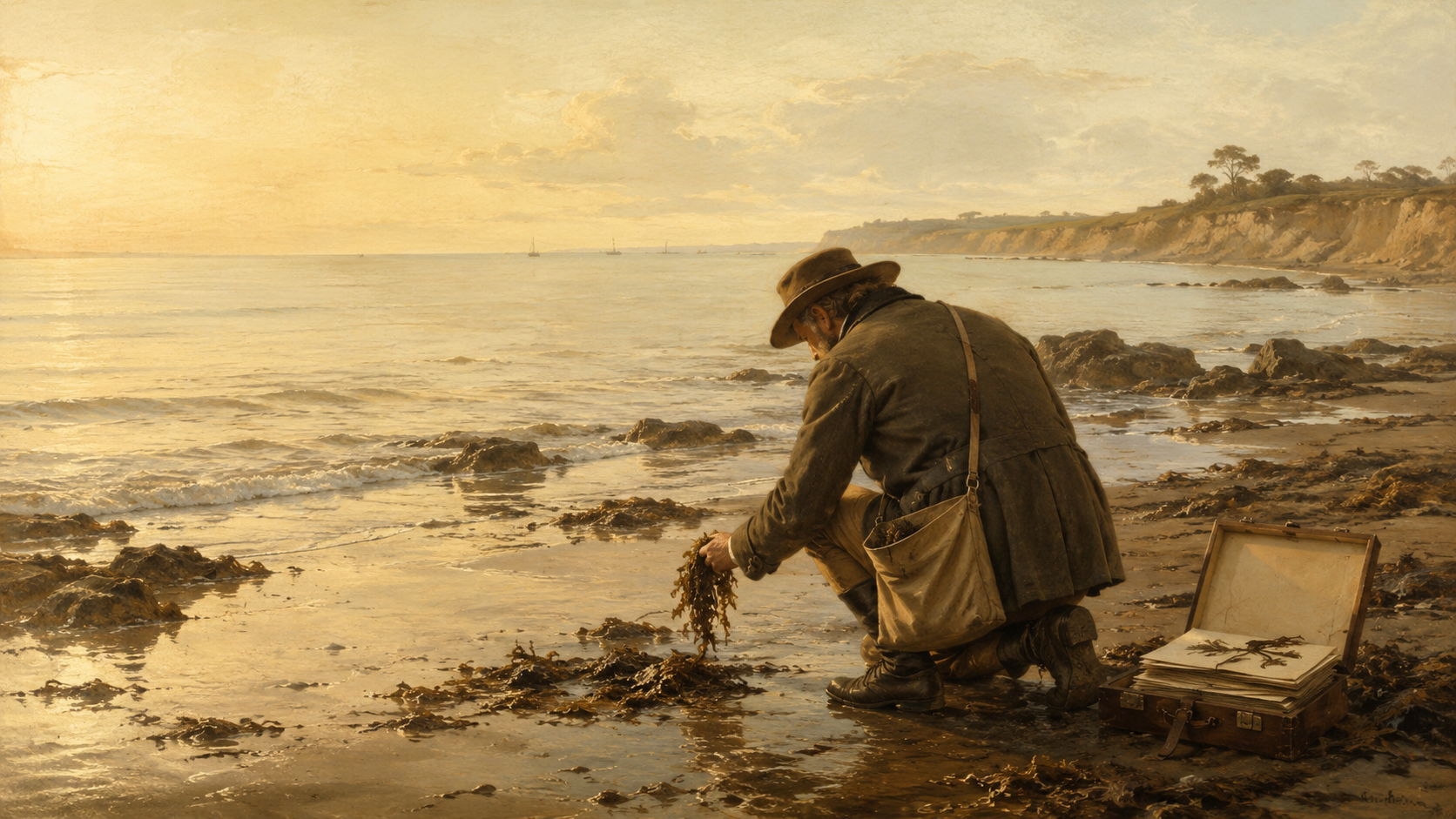
A nineteenth-century album in the National Museum of Australia holds approximately 200 pressed seaweed specimens and a trail of handwritten clues. The oldest labelled specimen came from the north of Ireland in 1851, two came from the Cape of Good Hope in 1854, and many later examples came from shores around Melbourne. After comparing handwriting and collecting locations, researcher Julie Ryder helped identify Scottish-born migrant Charles Morrison as the likely collector—an attribution the museum states carefully rather than as certainty. The charming mystery shows how an ordinary collection can preserve a journey long after its explanation is lost. Readers are invited to add names, places, dates, reasons, and sources to their own keepsakes, while marking uncertainty honestly, so future family members inherit both the object and its story....
August 27, 2026

Give the Heirloom a Story, Not Just a Shelf

A family heirloom can survive for decades while the knowledge that gives it meaning quietly disappears. This article offers a respectful, practical way for two generations to create an “object biography” together. Choose one meaningful item, ask open-ended questions about its makers, owners, uses, journeys, and repairs, then separate remembered details from family reports, documents, and uncertainties. Create a one-page story label that links the object to names, dates, attributed memories, the full recording, and any wishes about privacy or future care. Museum and oral-history guidance supports careful documentation, consent, deep listening, and consultation when an object is culturally sensitive. A Memory Share subscription becomes a more thoughtful gift when paired with time and help: one object, one conversation, and one story reviewed together....

Map the Place Before You Write the Memory
August 24, 2026

Map the Place Before You Write the Memory

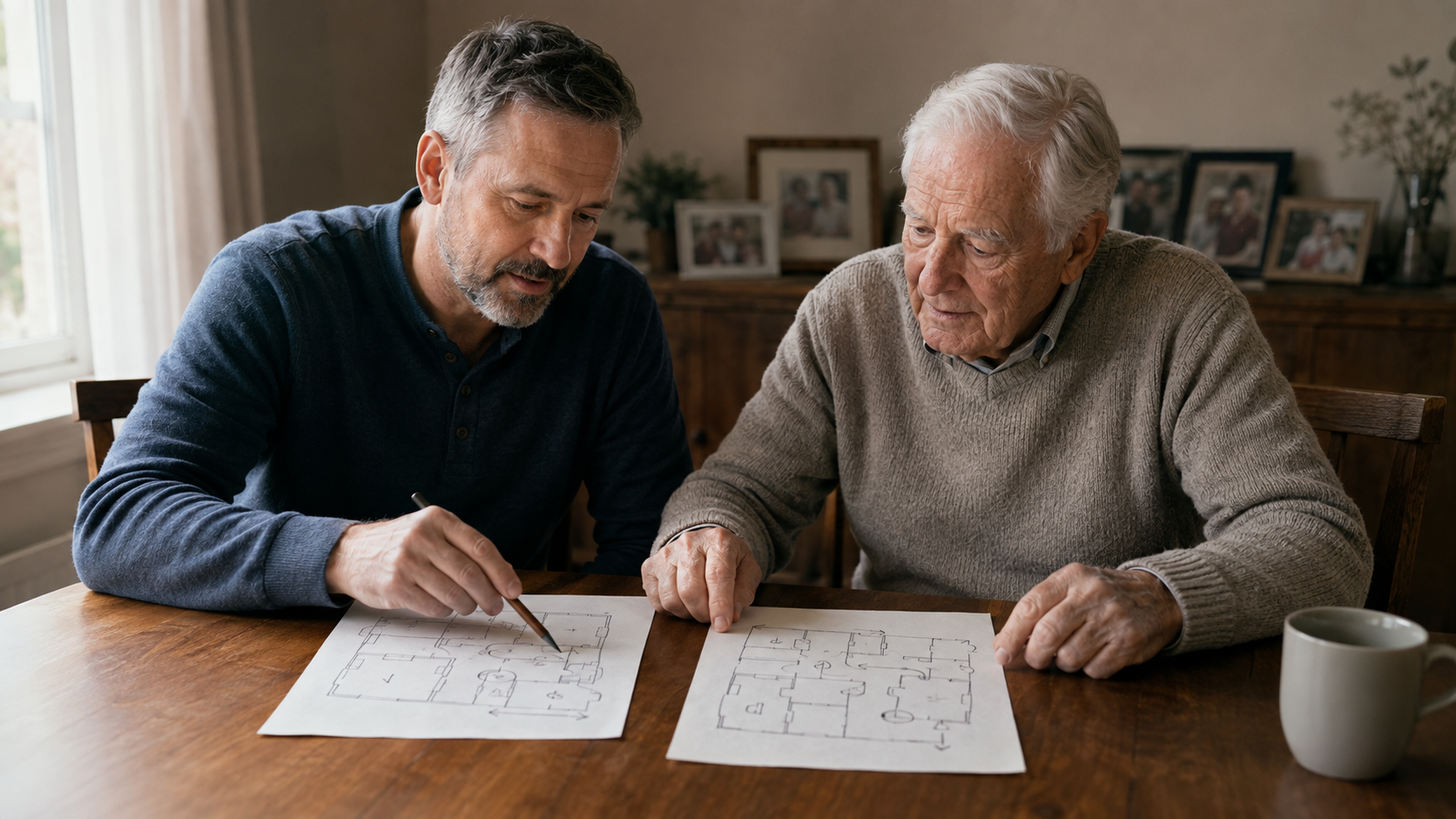
A memory map can make a vague setting easier to write without pretending every recollection is exact. This practical five-step method begins with one bounded place—a home, workplace, garden, block, or familiar route—and asks the writer to sketch it from memory. People, movement, changes, sensory details, and unanswered questions are added next. Historical fire insurance plans, topographic maps, directories, and local archives can then help check the setting, but records should not be mistaken for proof of personal experience. By labelling details as remembered, documented, or uncertain, a memoir writer can preserve both useful evidence and honest doubt. Finally, one route across the map becomes the backbone of a focused scene, from entrance and destination to interruption and exit....

Meet Your Relative at the Same Age: A Two-Way Family Conversation
August 20, 2026

Meet Your Relative at the Same Age: A Two-Way Family Conversation

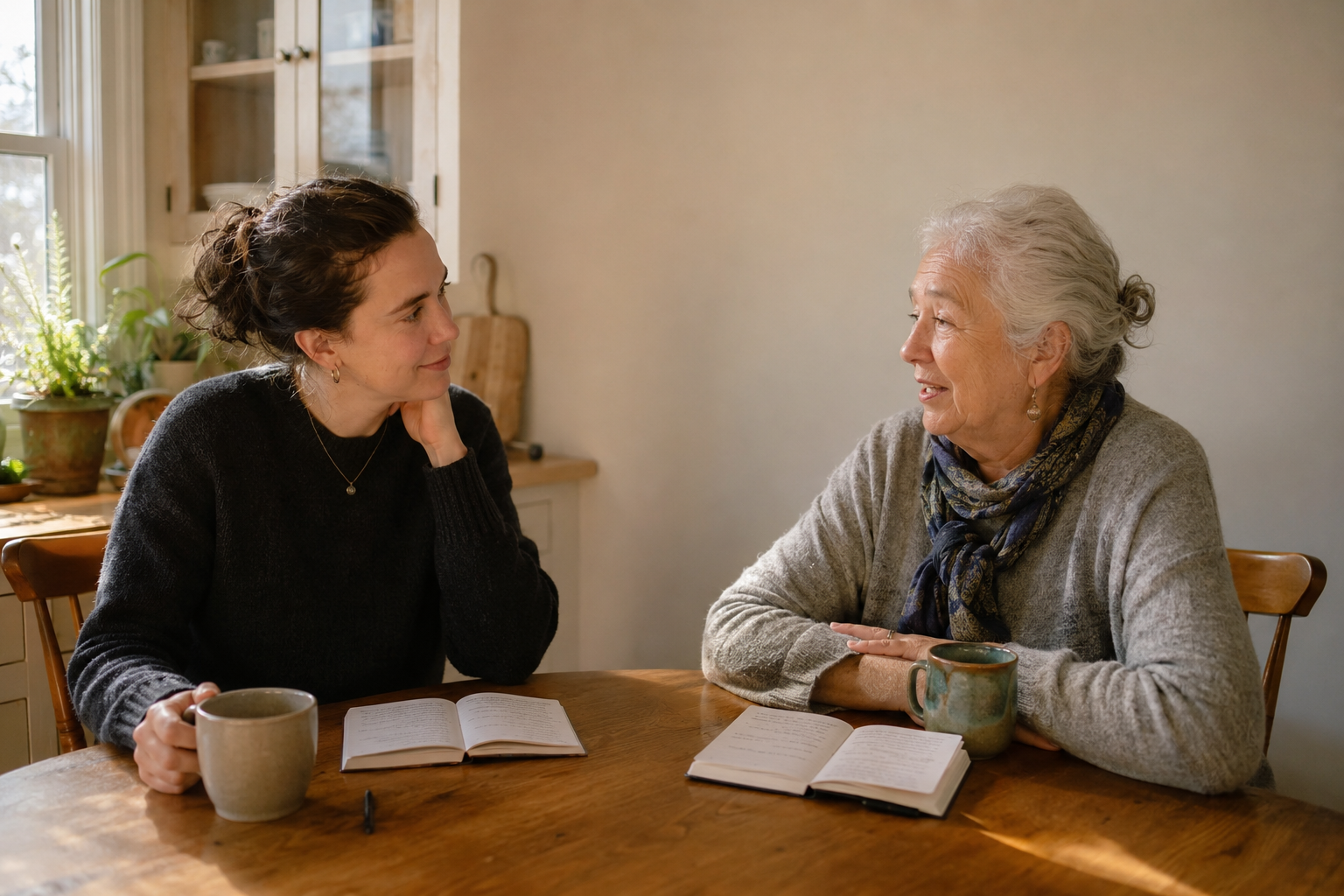
A relative can feel permanently fixed in a family role: parent, grandparent, aunt, or uncle. A same-age conversation offers a different view. Choose an age both people have lived through, then take turns answering matched questions about an ordinary morning, work or study, friendships, uncertainty, and hopes for the future. The method replaces broad claims about “your generation” with specific scenes and gives both participants a voice. This article explains how to ask permission, use open-ended follow-ups, respect private subjects, distinguish remembered experience from verified facts, and save enough context for future listeners. The practical takeaway is simple: begin with one age, five questions, and two storytellers. When a Memory Share subscription is given with time and help, it can feel less like homework and more like a genuine gift of attention....

Your Life Is Not a List: Build a Memoir Around Turning Points
August 17, 2026

Your Life Is Not a List: Build a Memoir Around Turning Points

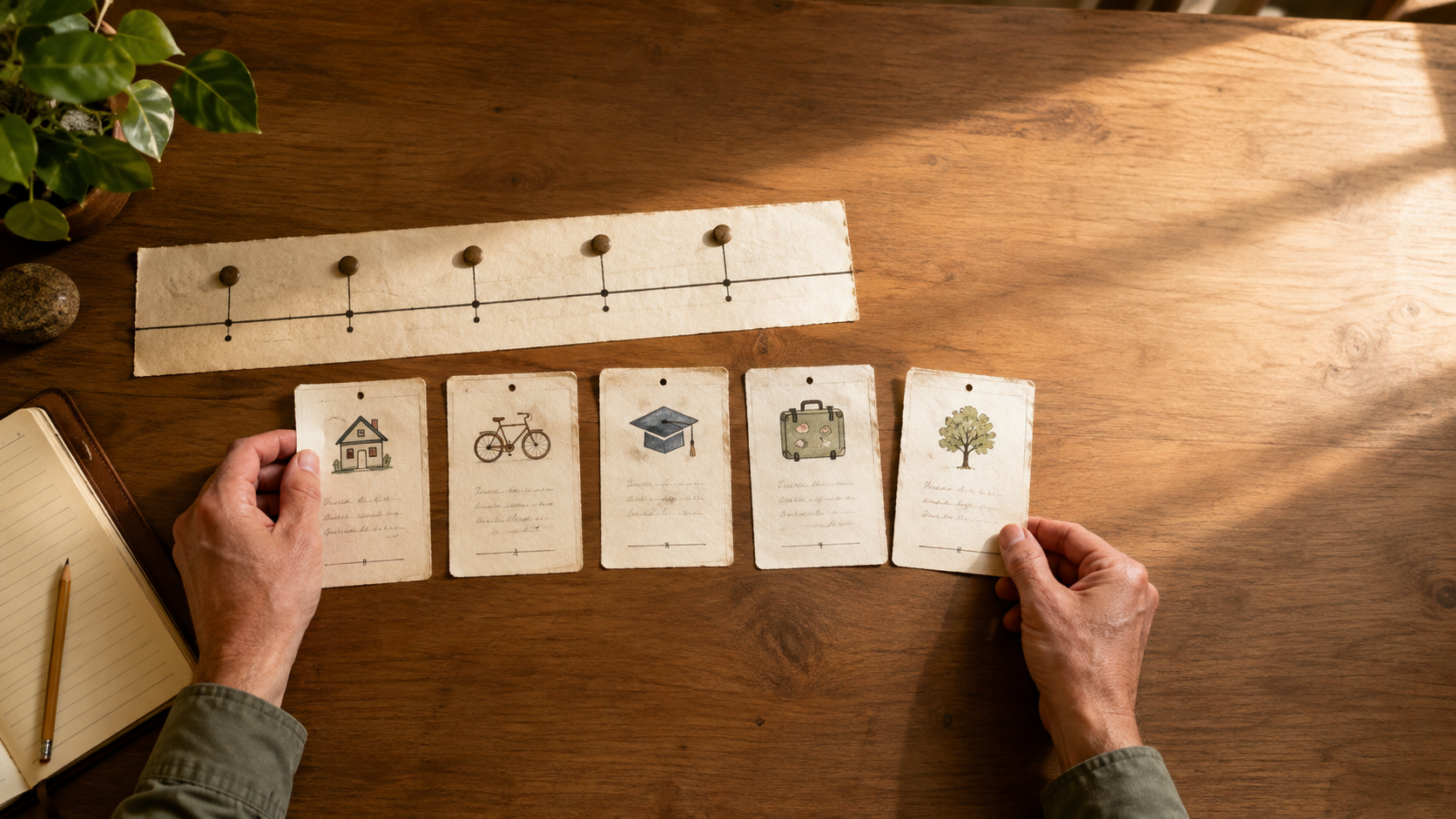
A life timeline is useful, but it is not yet a memoir. This practical guide offers a two-pass method for turning chronology into a story with direction. First, make a simple factual timeline using names, dates, places, relationships, and broad life periods. Then identify moments after which something changed: a belief, decision, relationship, or sense of home. Choose three to five connected turning points, give each one a scene card, and test different arrangements before drafting. The article also explains how to handle remembered dialogue, uncertain dates, and conflicting family accounts honestly. Instead of trying to write an entire life from birth onward, begin with one vivid doorway into the larger story—and let the timeline remain the helpful scaffolding behind it....

Before Group Chats, Friends Left Notes in Autograph Albums
August 16, 2026

Before Group Chats, Friends Left Notes in Autograph Albums

Before social feeds and group chats, friendship and autograph albums let many people build one keepsake together. Archival examples preserve signatures, dates, poems, advice, drawings, and the occasional playful contribution from friends, classmates, relatives, visitors, and suitors. Their charm also reveals a problem: a surviving name may mean little once nobody remembers the relationship behind it. If your family has an old autograph book, yearbook, guest book, or signed programme, record who the contributors were and how they knew the owner. Or revive the custom at a gathering by inviting everyone to add one dated page—a saying, sketch, memory, or useful piece of advice—then preserve the story behind each contribution....

Need Help?
Hello! How can we assist you today?