Blog

Articles about memoir writing, family stories, and memory preservation.

The Day Agatha Christie Stood Up on a Surfboard
September 01, 2026

The Day Agatha Christie Stood Up on a Surfboard

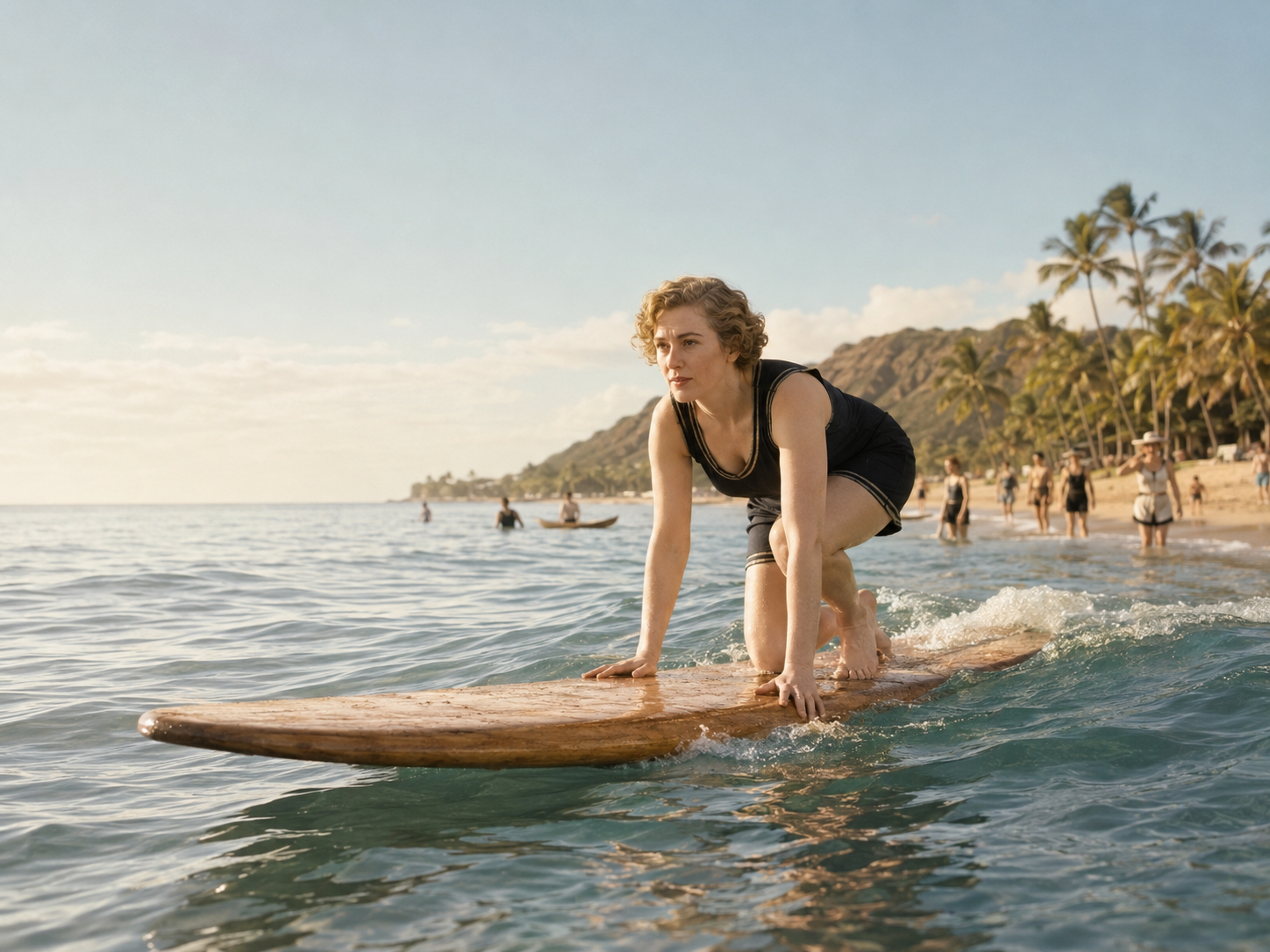
In 1922, long before Agatha Christie became fixed in the public imagination as a celebrated mystery writer, she learned to surf. Her letters, autobiography, and surviving photographs document early attempts in South Africa and days of practice at Waikiki. She remembered painful equipment, unsuitable conditions, misplaced confidence, and finally the moment she rode to shore standing up—a “complete triumph.” The evidence supports calling Christie one of the early recorded British women surfers, but not an unqualified claim that she was the world’s first Western woman to do it. Her story offers a practical lesson for preserving memories: record the awkward middle, the equipment, the warning, the helper, and the exact action that marked success. A precise, well-sourced learning story is more vivid than an unsupported superlative....

When Mark Twain Tried to Tame a Bicycle
August 28, 2026

When Mark Twain Tried to Tame a Bicycle

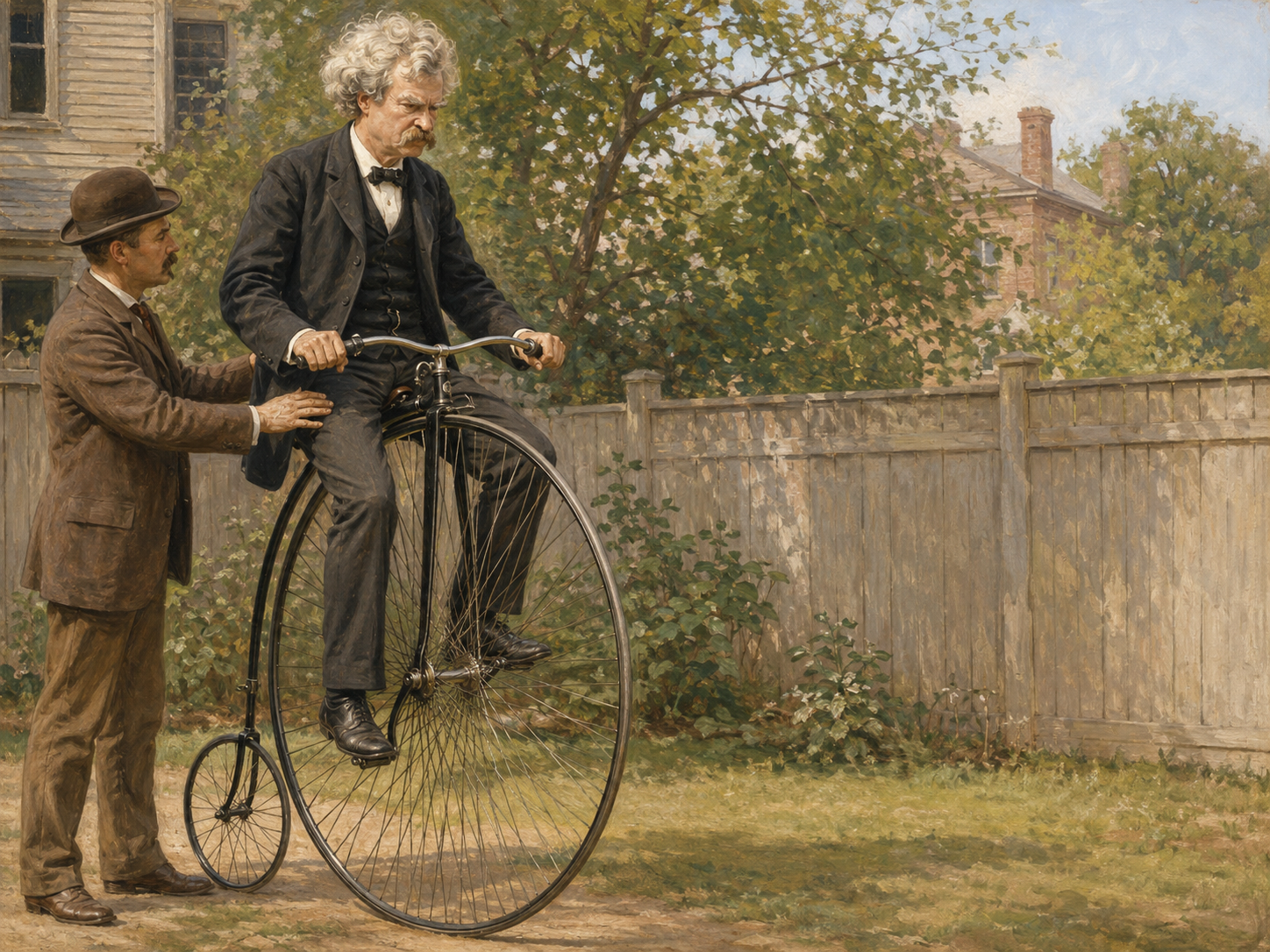
At 48, Mark Twain tried to master a high-wheel bicycle in Hartford. The attempt was real, but the crashes, commentary, and wounded dignity in “Taming the Bicycle” come through Twain’s carefully shaped comic voice. He makes himself—not his instructor or the children watching from the street—the centre of the joke. Beneath the humour is a useful lesson for preserving personal stories: a beginner’s struggle can reveal persistence, relationships, and character better than a polished success story. Record what looked easy before you tried it, the instruction your body resisted, the person who helped, the bystander who noticed, and the first small sign of progress. Keep the joke kind, identify remembered dialogue honestly, and let your present-day understanding join the scene....

Before the Books: Maya Angelou’s Teenage Streetcar Job
August 25, 2026

Before the Books: Maya Angelou’s Teenage Streetcar Job

Before Maya Angelou became a renowned poet and memoirist, she pursued a San Francisco streetcar job because she admired the women’s uniforms and money changers. The company initially refused to give the Black teenager an application. Encouraged by her mother, Vivian Baxter, Angelou returned for about two weeks and was eventually hired. Her mother then drove her to the streetcar barn and followed the early run before daybreak, sounding the horn and blowing her daughter a kiss. The verified account is more precise than the popular legend: Angelou was an electric-streetcar conductor for the private Market Street Railway, not a cable-car operator for Muni. Her story shows memoir writers why small motives, supportive gestures, exact job titles, and honestly stated uncertainty make a life story stronger....

When Stickeen Crossed the Ice: John Muir’s Unforgettable Little Companion
August 18, 2026

When Stickeen Crossed the Ice: John Muir’s Unforgettable Little Companion

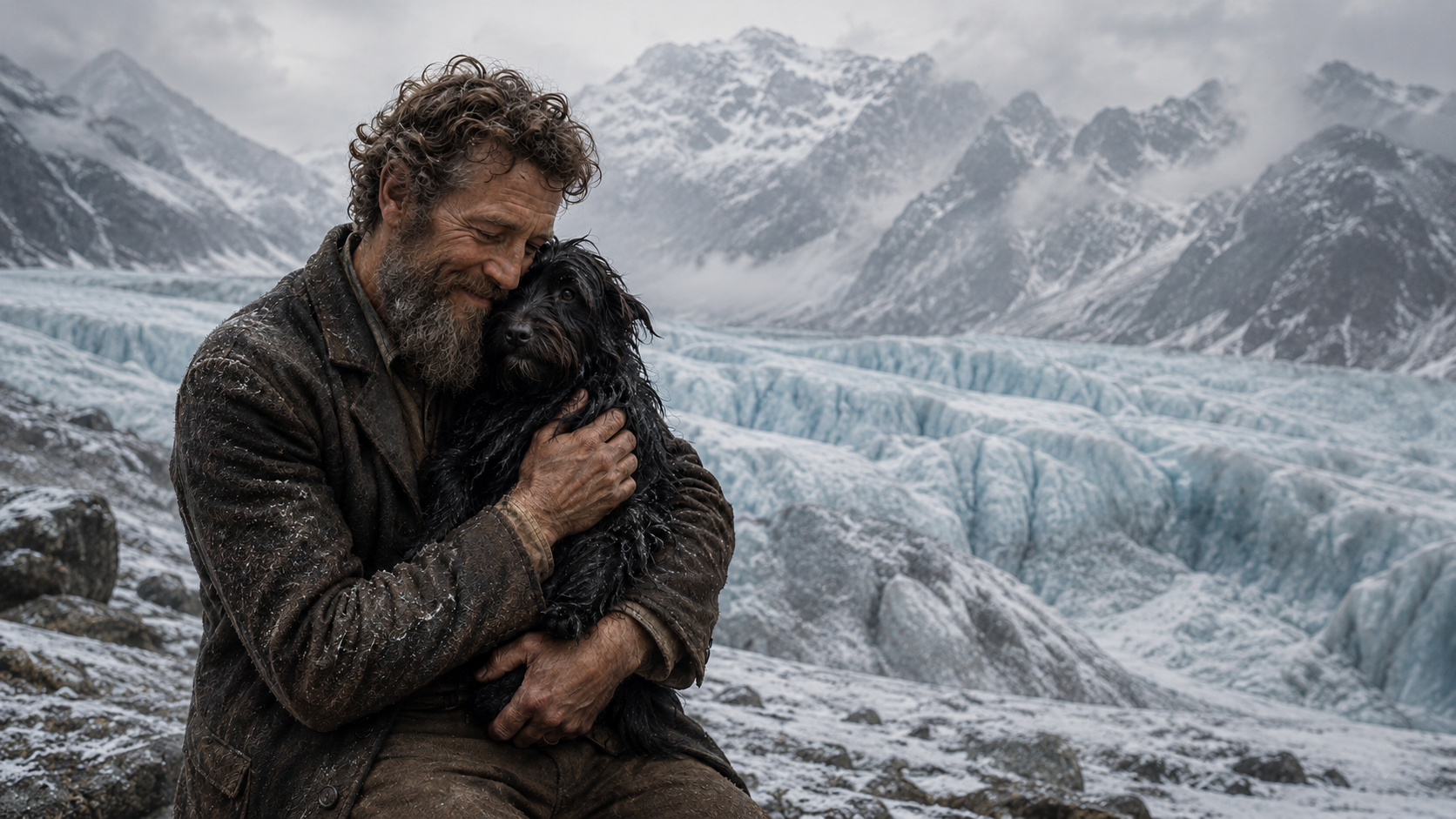
In 1880, naturalist John Muir crossed an Alaskan glacier with an unexpected companion: Stickeen, a small dog who refused to remain at camp. Muir later described how the pair navigated worsening weather and deep crevasses until Stickeen faced a narrow ice bridge that finally stopped him. The dog crossed only after visible hesitation—and then burst into an unforgettable display of motion and relief. The historical journey is documented, while the dramatic detail comes from Muir’s retrospective first-person account and surviving notebook. His story offers a practical memoir lesson: establish the facts, attribute remembered details clearly, and look for the physical gesture that reveals an emotional turning point. A family story becomes vivid not merely when we record what happened, but when we preserve the small action that changed how we understood someone....

Nellie Bly’s Best Detour: Meeting Jules Verne While Racing Around the World
August 15, 2026

Nellie Bly’s Best Detour: Meeting Jules Verne While Racing Around the World

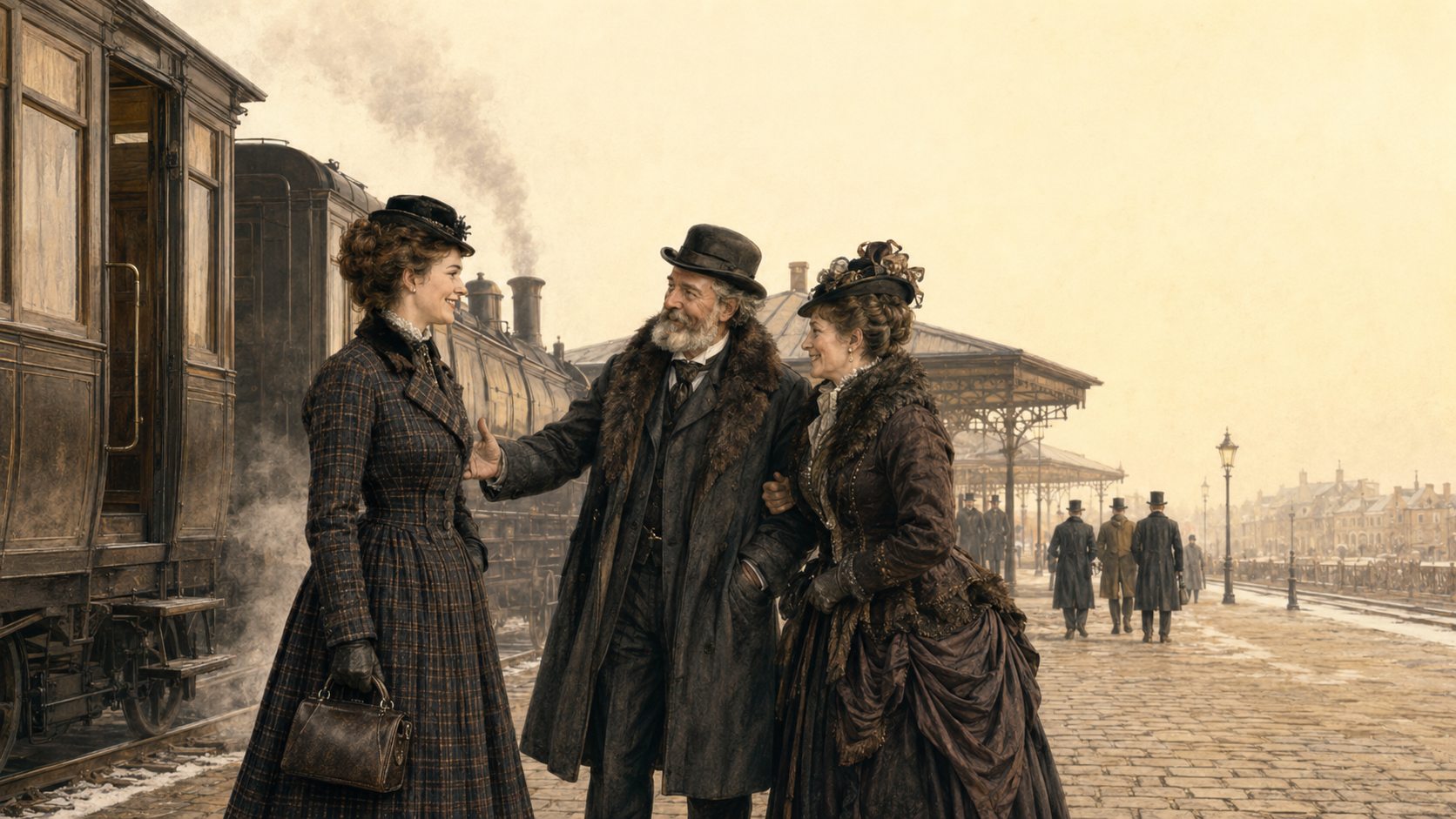
In 1889, journalist Nellie Bly set out to circle the globe faster than the fictional Phileas Fogg. Soon after crossing the Atlantic, she accepted a risky detour to Amiens to meet Jules Verne, whose novel had inspired her journey. Their brief conversation included a playful comparison of her route with Fogg’s—and ended when Bly checked her watch and hurried for the only train that would keep her schedule intact. She completed the journey in 72 days, 6 hours, 11 minutes and 14 seconds. The lasting charm of her account lies not only in that record, but in the human details she preserved. Her example offers a memoir lesson: begin with the official fact, then record the worry, joke, practical problem and choice that reveal what the experience meant....

Need Help?
Hello! How can we assist you today?