Blog

Articles about memoir writing, family stories, and memory preservation.

Active topic: Leisure & Travel
September 22, 2026

Robert Louis Stevenson and the Donkey Who Would Not Hurry

Robert Louis Stevenson’s *Travels with a Donkey in the Cévennes* preserves a wonderfully human travel problem: his small donkey, Modestine, would not match his preferred pace. Stevenson’s own 1879 narrative records the slow progress, repeated stopping, practical frustrations, and eventual affection that grew during their twelve-day journey. When Modestine had to be sold, the companion he had treated as an obstacle suddenly became the part of the trip he missed. The story offers a useful memoir lesson. Keep the inconvenience, the repeated behaviour, and the emotional reversal. Identify what comes from a record and what comes from later interpretation, and do not turn approximate dialogue into a quotation. Often the detail that complicated a family plan is the detail future readers most want to remember....
Build a Reading-Memory Journal, One Book at a Time
September 02, 2026

Build a Reading-Memory Journal, One Book at a Time

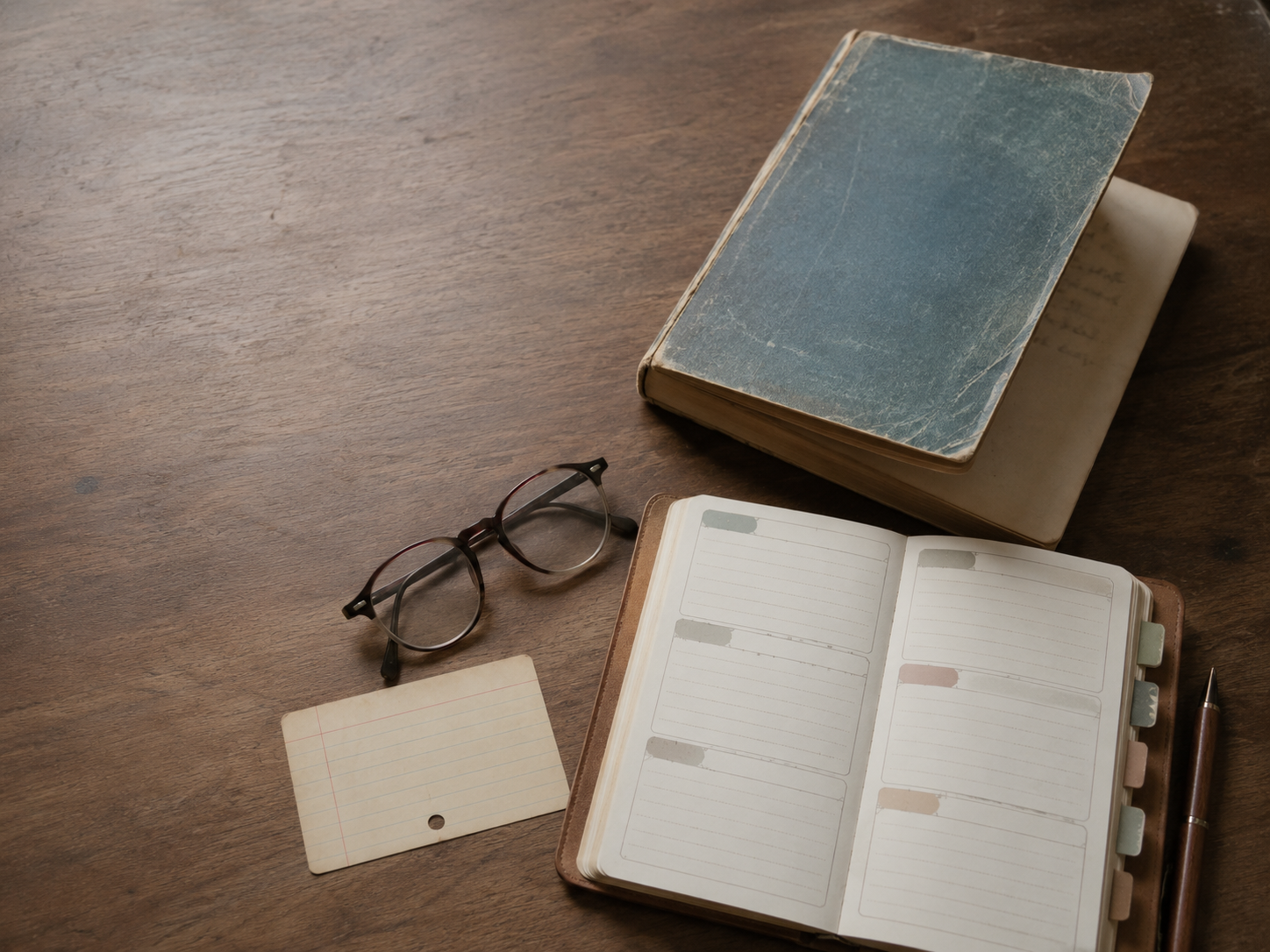
A remembered book can preserve far more than a plot. It may carry the room where you read, the person who lent it, the life question you were facing, and the ways your understanding later changed. This article adapts the old practice of keeping a commonplace book into a simple reading-memory journal. Choose one book with a life attached, then record how it reached you, who you were at the time, where you read, what stayed with you, what you see differently now, and which related memory should come next. Historical collections at Harvard, the British Library, and the Library of Congress show how readers’ selections and notes can reveal personal interests and habits of thought. The practical goal is modest: one book, one page, and one honest glimpse of the reader you once were....

Write the Shift, Not Just the Job Title
August 31, 2026

Write the Shift, Not Just the Job Title

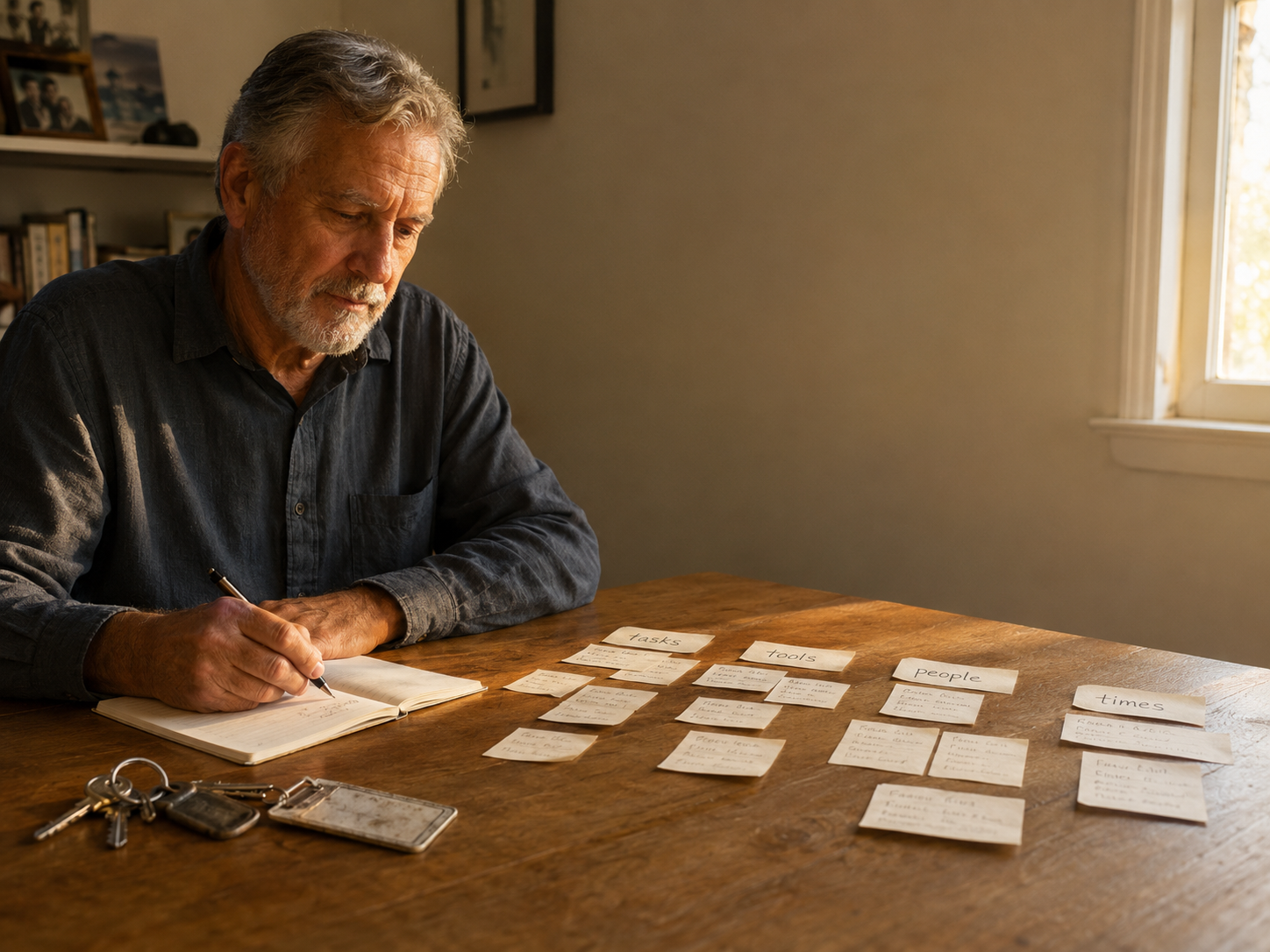
A job title rarely captures the knowledge, routines, language, tools, and relationships that made the work real. This practical memoir guide shows how to preserve a former job by reconstructing one bounded shift instead of summarizing an entire career. Writers begin with the day’s sequence, add tools and workplace vocabulary, restore a few important people, and find the small pressure that turns routine into a scene. The method also explains how to check dates and details, handle remembered dialogue honestly, respect other people’s privacy, and add present-day reflection without forcing a tidy lesson. Questions drawn from authoritative occupational-history and oral-history practices help writers recover what experienced workers often take for granted. The takeaway is simple: choose one shift and show how the work actually moved....

The Seaweed Album That Carried a Journey Across Oceans
August 30, 2026

The Seaweed Album That Carried a Journey Across Oceans

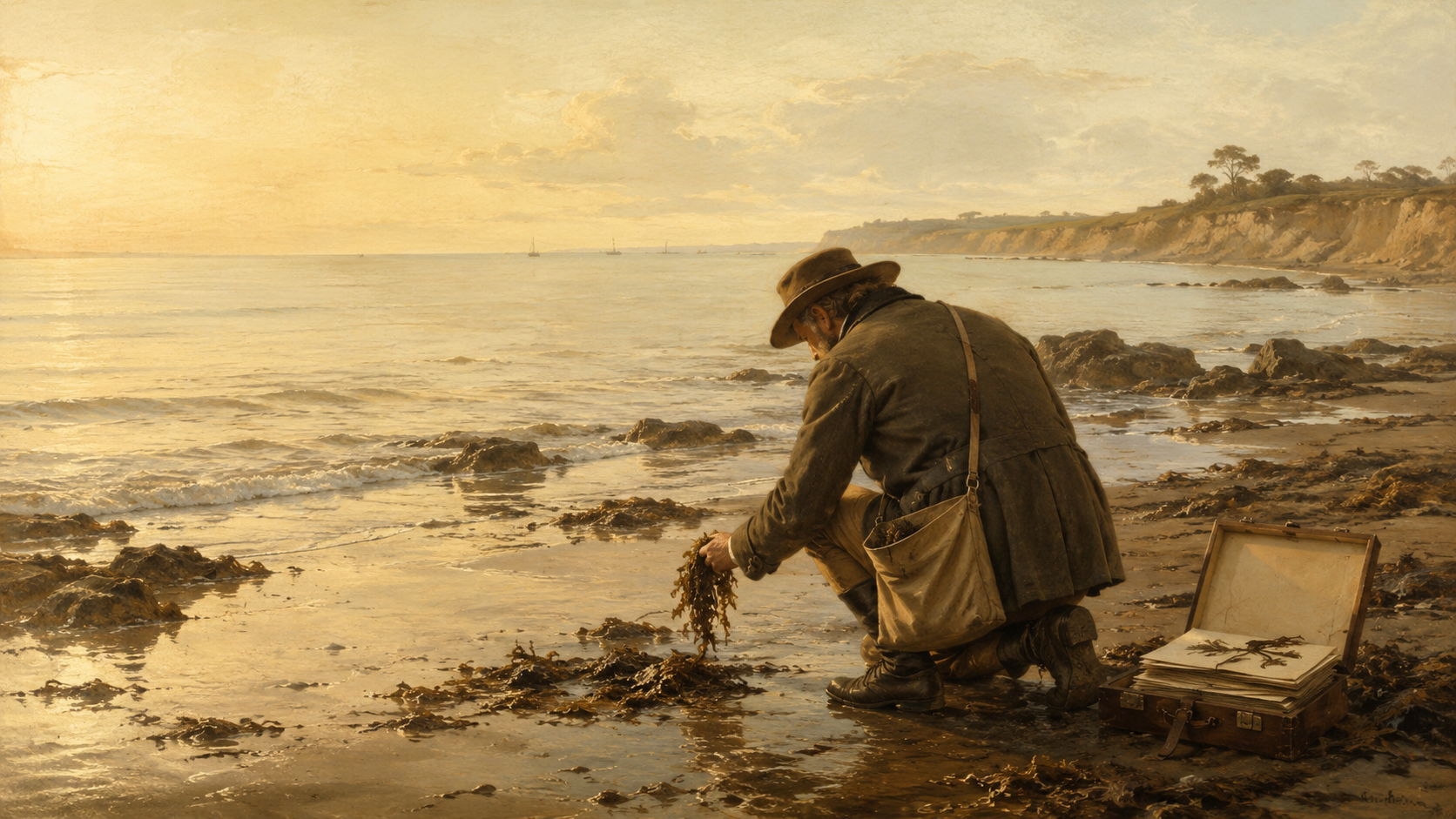
A nineteenth-century album in the National Museum of Australia holds approximately 200 pressed seaweed specimens and a trail of handwritten clues. The oldest labelled specimen came from the north of Ireland in 1851, two came from the Cape of Good Hope in 1854, and many later examples came from shores around Melbourne. After comparing handwriting and collecting locations, researcher Julie Ryder helped identify Scottish-born migrant Charles Morrison as the likely collector—an attribution the museum states carefully rather than as certainty. The charming mystery shows how an ordinary collection can preserve a journey long after its explanation is lost. Readers are invited to add names, places, dates, reasons, and sources to their own keepsakes, while marking uncertainty honestly, so future family members inherit both the object and its story....

August 29, 2026

Did You Know Alexander Graham Bell Studied Sheep Alongside His Inventions?

Alexander Graham Bell is remembered for the telephone, but archival records reveal another long-running interest: sheep breeding at Beinn Bhreagh, his Nova Scotia estate. Bell sought to increase twin and triplet births, kept detailed tables of ancestry and physical traits, and even copied a 1909 newspaper advertisement offering to buy sheep with six, seven or eight nipples. An 1898 letter to his wife, Mabel, shows him tracing the ancestry and wool of a promising black lamb. The evidence does not turn his hypothesis into a modern scientific conclusion, and Bell’s broader heredity thinking included discredited eugenic ideas. His lesser-known project offers a useful prompt for family history: preserve the interests, records, unfinished experiments and troubling convictions that reveal a whole person—not only the achievement for which someone became known....

August 27, 2026

Give the Heirloom a Story, Not Just a Shelf

A family heirloom can survive for decades while the knowledge that gives it meaning quietly disappears. This article offers a respectful, practical way for two generations to create an “object biography” together. Choose one meaningful item, ask open-ended questions about its makers, owners, uses, journeys, and repairs, then separate remembered details from family reports, documents, and uncertainties. Create a one-page story label that links the object to names, dates, attributed memories, the full recording, and any wishes about privacy or future care. Museum and oral-history guidance supports careful documentation, consent, deep listening, and consultation when an object is culturally sensitive. A Memory Share subscription becomes a more thoughtful gift when paired with time and help: one object, one conversation, and one story reviewed together....

The Secret Journal Beatrix Potter Could No Longer Read
August 23, 2026

The Secret Journal Beatrix Potter Could No Longer Read

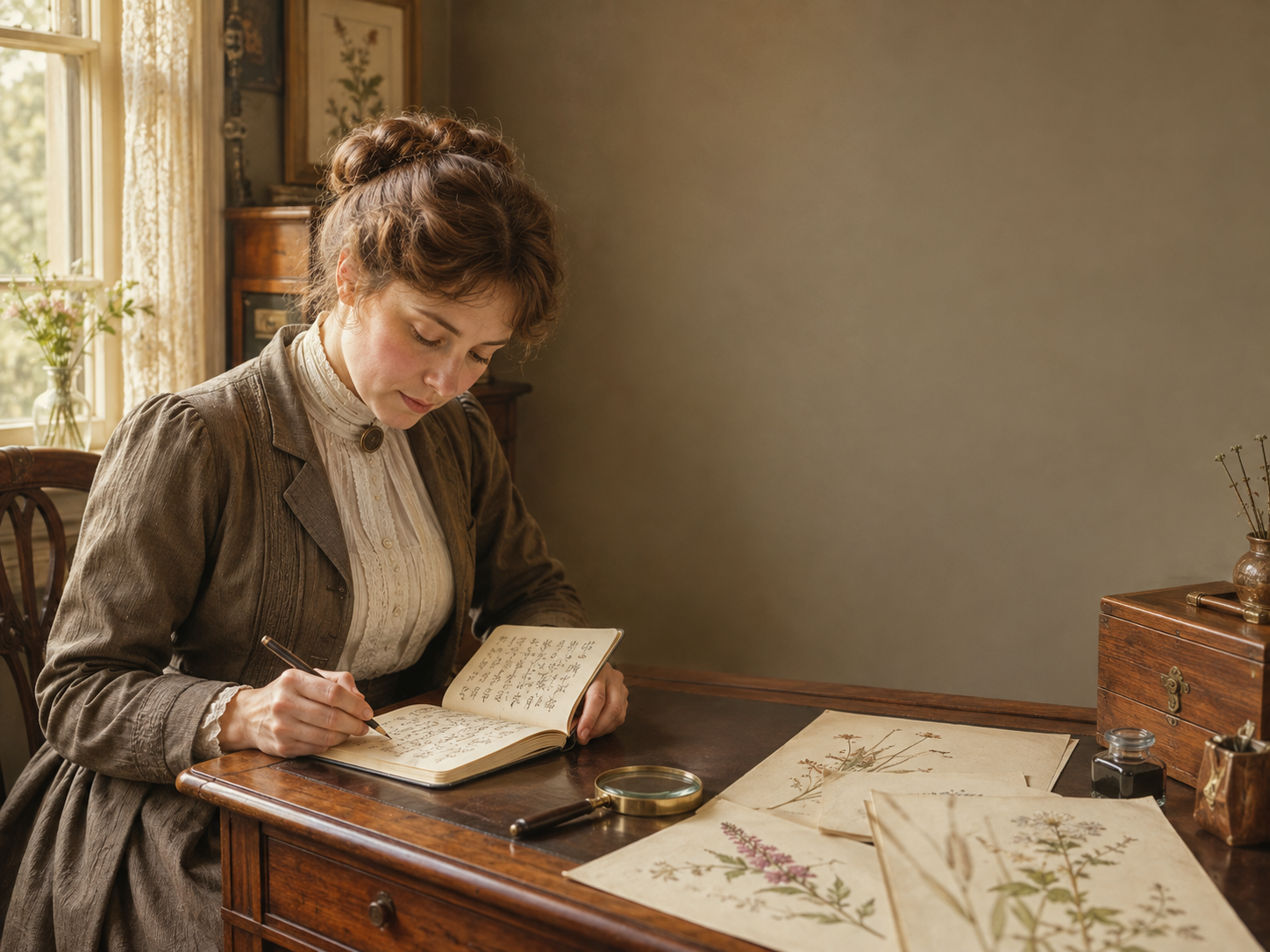
Before Beatrix Potter became famous for Peter Rabbit, she kept a private journal in a cipher built from substituted letters, characters from several alphabets, and number shortcuts. She eventually became unable to read her own coded writing, and no key survived. Beginning in 1952, engineer and Potter scholar Leslie Linder spent six years deciphering it. A reference to Louis XVI and the year 1793 finally gave him the clue he needed. The recovered pages revealed Potter’s humour, daily observations, artistic development, scientific interests, and attachment to the Lake District. Even an American gingerbread recipe appeared among coded scraps later studied by the National Trust. The story offers a light reminder for today’s memory keepers: protect your privacy, but leave enough names, dates, explanations, and instructions for future readers to understand what you choose to preserve....

When Stickeen Crossed the Ice: John Muir’s Unforgettable Little Companion
August 18, 2026

When Stickeen Crossed the Ice: John Muir’s Unforgettable Little Companion

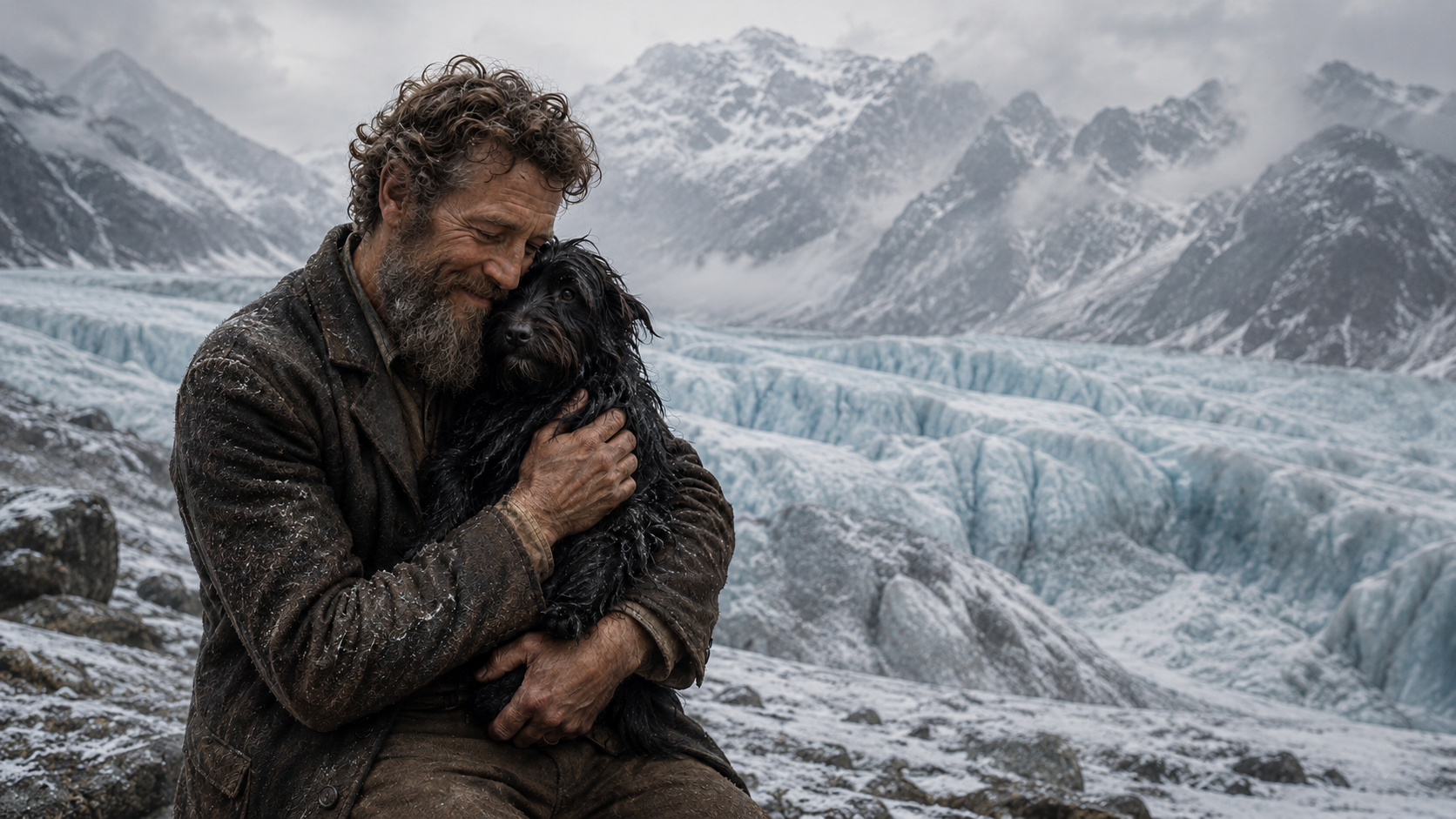
In 1880, naturalist John Muir crossed an Alaskan glacier with an unexpected companion: Stickeen, a small dog who refused to remain at camp. Muir later described how the pair navigated worsening weather and deep crevasses until Stickeen faced a narrow ice bridge that finally stopped him. The dog crossed only after visible hesitation—and then burst into an unforgettable display of motion and relief. The historical journey is documented, while the dramatic detail comes from Muir’s retrospective first-person account and surviving notebook. His story offers a practical memoir lesson: establish the facts, attribute remembered details clearly, and look for the physical gesture that reveals an emotional turning point. A family story becomes vivid not merely when we record what happened, but when we preserve the small action that changed how we understood someone....

Nellie Bly’s Best Detour: Meeting Jules Verne While Racing Around the World
August 15, 2026

Nellie Bly’s Best Detour: Meeting Jules Verne While Racing Around the World

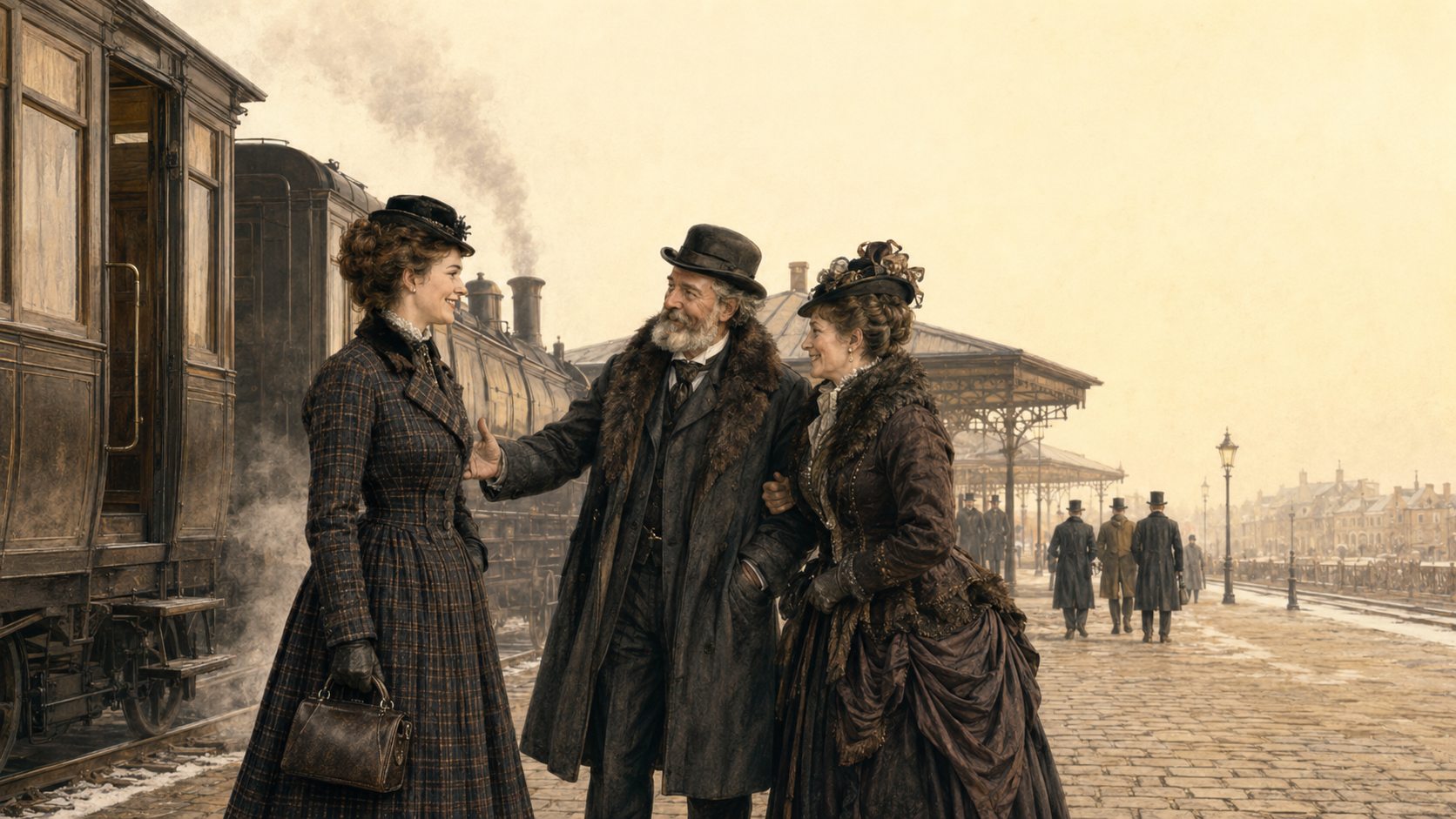
In 1889, journalist Nellie Bly set out to circle the globe faster than the fictional Phileas Fogg. Soon after crossing the Atlantic, she accepted a risky detour to Amiens to meet Jules Verne, whose novel had inspired her journey. Their brief conversation included a playful comparison of her route with Fogg’s—and ended when Bly checked her watch and hurried for the only train that would keep her schedule intact. She completed the journey in 72 days, 6 hours, 11 minutes and 14 seconds. The lasting charm of her account lies not only in that record, but in the human details she preserved. Her example offers a memoir lesson: begin with the official fact, then record the worry, joke, practical problem and choice that reveal what the experience meant....

Need Help?
Hello! How can we assist you today?