Blog

Articles about memoir writing, family stories, and memory preservation.

Lord Byron’s Tame Bear and the Story a Letter Saved
September 20, 2026

Lord Byron’s Tame Bear and the Story a Letter Saved

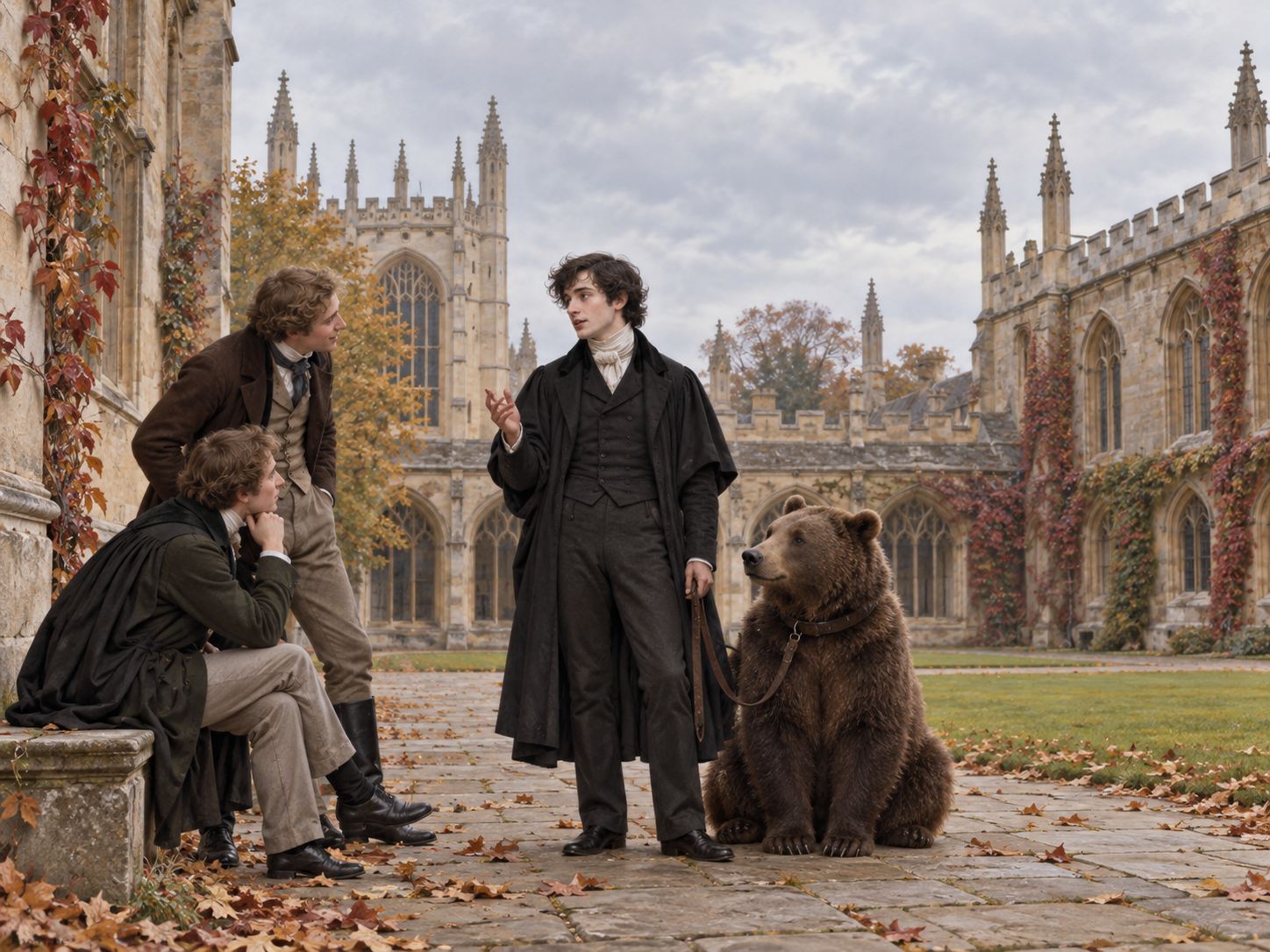
In 1807, Lord Byron wrote to Elizabeth Pigot that he had acquired a tame bear while a student at Trinity College, Cambridge. When people asked what he planned to do with it, he joked that the bear should sit for a fellowship. Trinity College preserves the letter’s wording and context, while later institutional accounts wisely leave some details of the bear’s daily life uncertain. That makes the episode a useful memory lesson as well as a funny historical story: keep the date, source, setting, and voice, but label later embellishments as tradition or interpretation. Family archives work the same way. A small note, letter, or recollection can preserve personality more vividly than an official record. What unusual visitor, family rule, or perfectly timed joke deserves to be saved in your own story?...
John Adams, Cupid’s Grove, and the Memory of a Very Old Walk
September 08, 2026

John Adams, Cupid’s Grove, and the Memory of a Very Old Walk

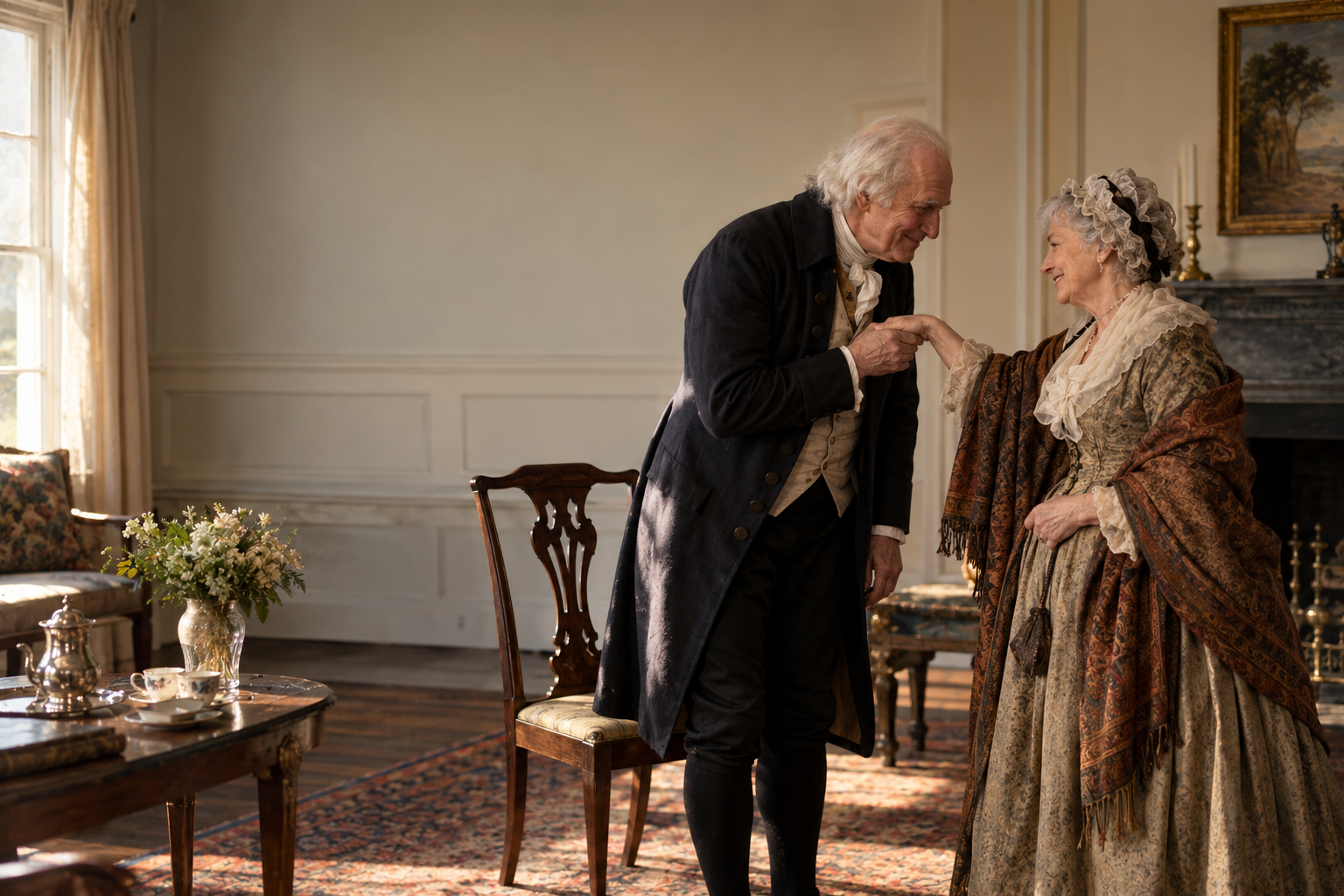
In the early 1820s, nearly ninety-year-old John Adams reportedly welcomed Hannah Storer, once the young woman he had called “Orlinda,” with a teasing invitation to walk again in Cupid’s Grove. Her reply recalled that it would not be their first walk there. The Adams Papers preserve this charming exchange while carefully identifying its status: it comes from Josiah Quincy’s later reminiscence, not a contemporaneous diary entry. That distinction offers a practical lesson for family historians. A story can remain warm and memorable while clearly separating witnessed facts, later recollection, and uncertainty. When recording a family anecdote, save the place, people, remembered words, source, and approximate date. The small exchange may reveal more than a formal milestone: affection, humour, privacy, and the meaning a familiar place gathers across a lifetime....

When Mark Twain Tried to Tame a Bicycle
August 28, 2026

When Mark Twain Tried to Tame a Bicycle

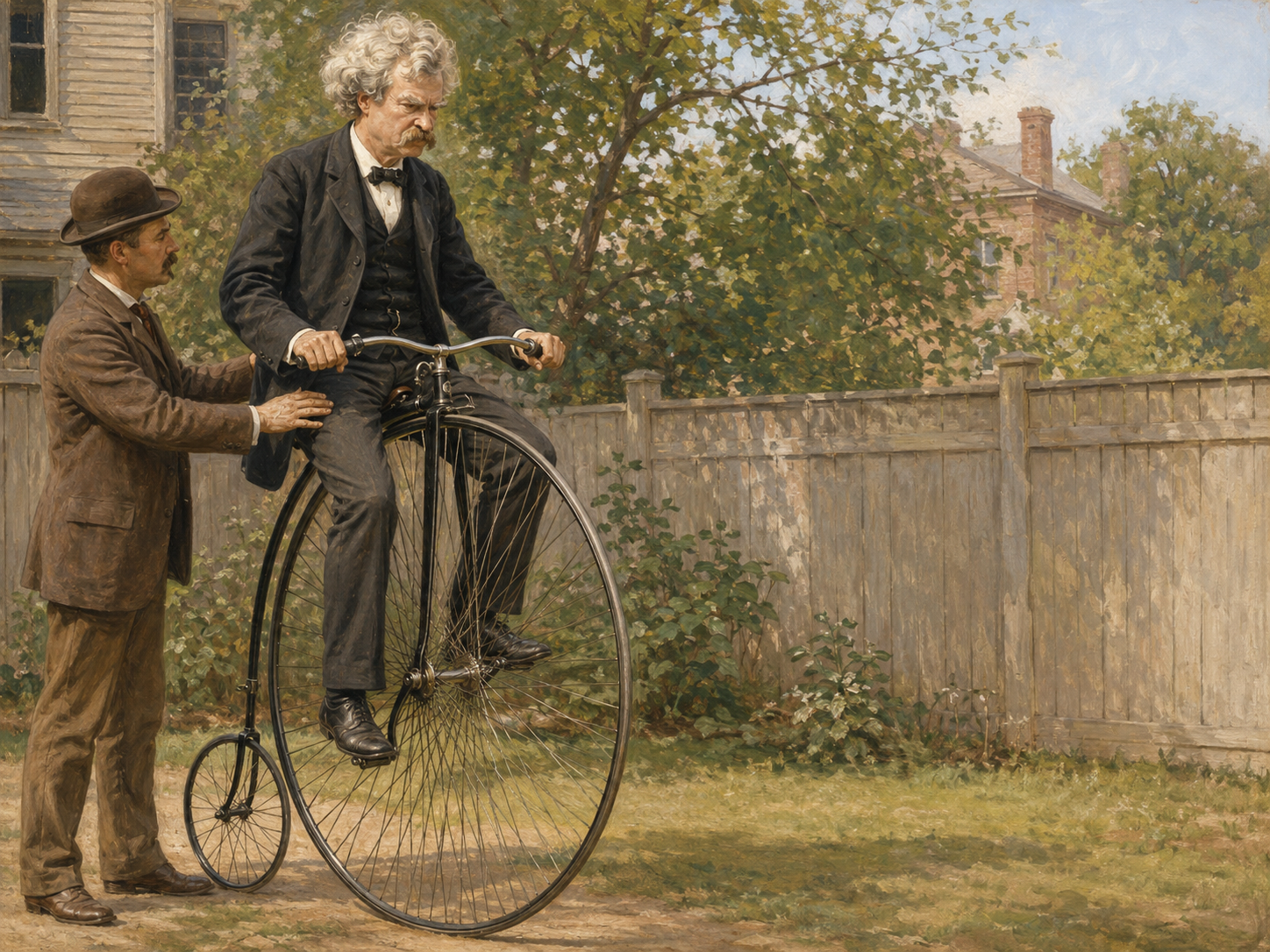
At 48, Mark Twain tried to master a high-wheel bicycle in Hartford. The attempt was real, but the crashes, commentary, and wounded dignity in “Taming the Bicycle” come through Twain’s carefully shaped comic voice. He makes himself—not his instructor or the children watching from the street—the centre of the joke. Beneath the humour is a useful lesson for preserving personal stories: a beginner’s struggle can reveal persistence, relationships, and character better than a polished success story. Record what looked easy before you tried it, the instruction your body resisted, the person who helped, the bystander who noticed, and the first small sign of progress. Keep the joke kind, identify remembered dialogue honestly, and let your present-day understanding join the scene....

The Secret Journal Beatrix Potter Could No Longer Read
August 23, 2026

The Secret Journal Beatrix Potter Could No Longer Read

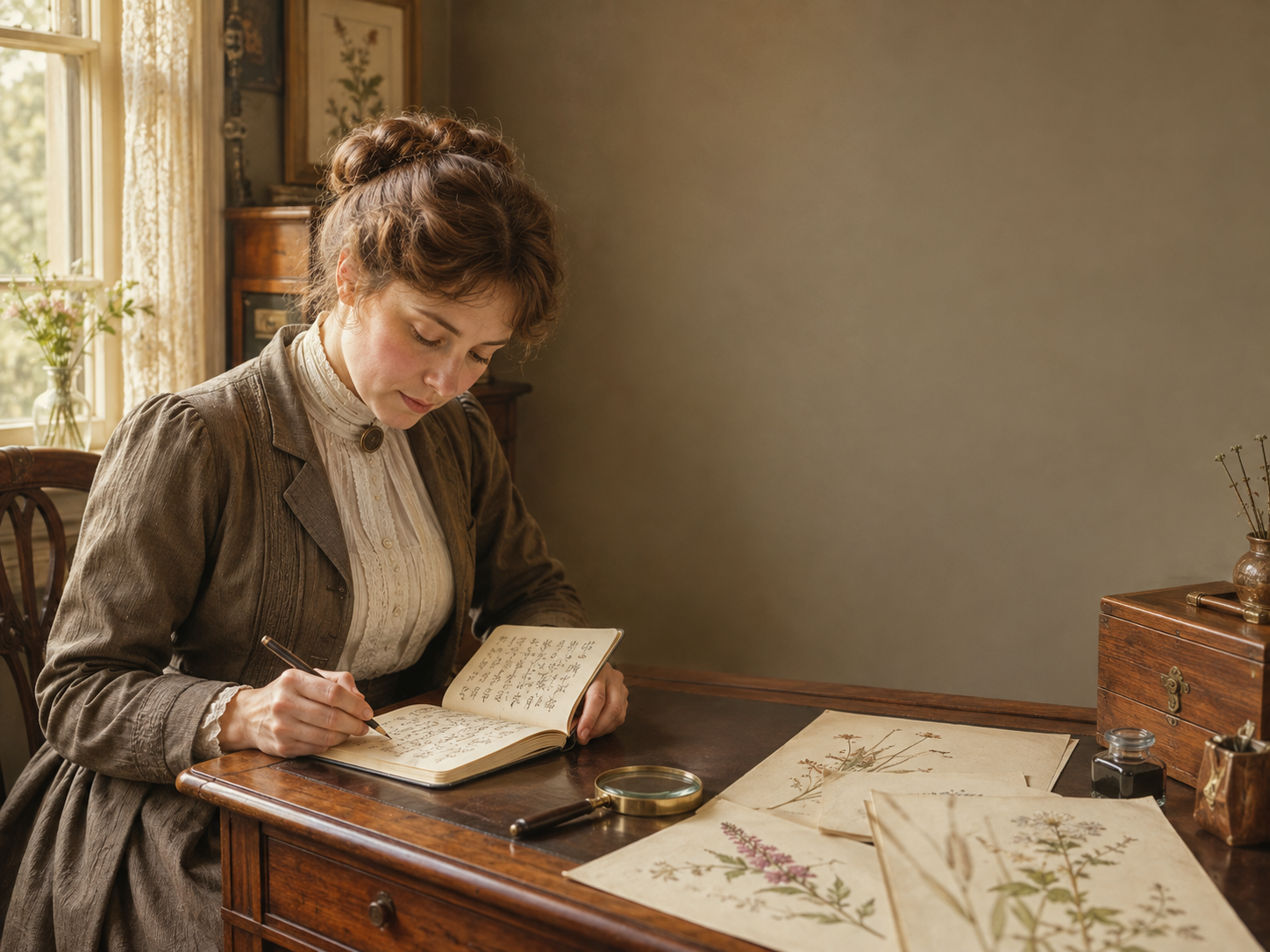
Before Beatrix Potter became famous for Peter Rabbit, she kept a private journal in a cipher built from substituted letters, characters from several alphabets, and number shortcuts. She eventually became unable to read her own coded writing, and no key survived. Beginning in 1952, engineer and Potter scholar Leslie Linder spent six years deciphering it. A reference to Louis XVI and the year 1793 finally gave him the clue he needed. The recovered pages revealed Potter’s humour, daily observations, artistic development, scientific interests, and attachment to the Lake District. Even an American gingerbread recipe appeared among coded scraps later studied by the National Trust. The story offers a light reminder for today’s memory keepers: protect your privacy, but leave enough names, dates, explanations, and instructions for future readers to understand what you choose to preserve....

When Stickeen Crossed the Ice: John Muir’s Unforgettable Little Companion
August 18, 2026

When Stickeen Crossed the Ice: John Muir’s Unforgettable Little Companion

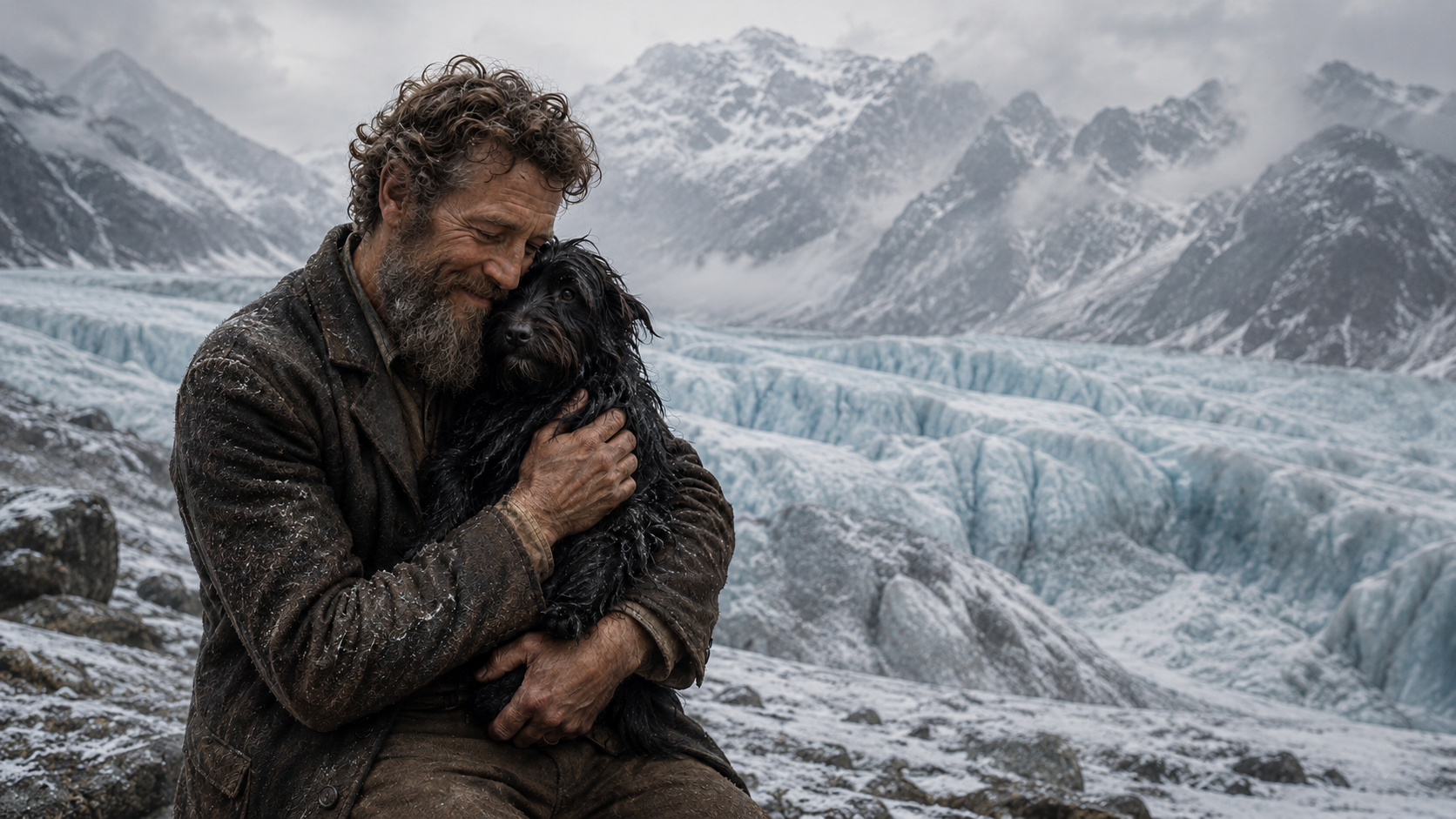
In 1880, naturalist John Muir crossed an Alaskan glacier with an unexpected companion: Stickeen, a small dog who refused to remain at camp. Muir later described how the pair navigated worsening weather and deep crevasses until Stickeen faced a narrow ice bridge that finally stopped him. The dog crossed only after visible hesitation—and then burst into an unforgettable display of motion and relief. The historical journey is documented, while the dramatic detail comes from Muir’s retrospective first-person account and surviving notebook. His story offers a practical memoir lesson: establish the facts, attribute remembered details clearly, and look for the physical gesture that reveals an emotional turning point. A family story becomes vivid not merely when we record what happened, but when we preserve the small action that changed how we understood someone....

Before Julia Child Became a Chef, She Worked for a Wartime Intelligence Agency
August 15, 2026

Before Julia Child Became a Chef, She Worked for a Wartime Intelligence Agency

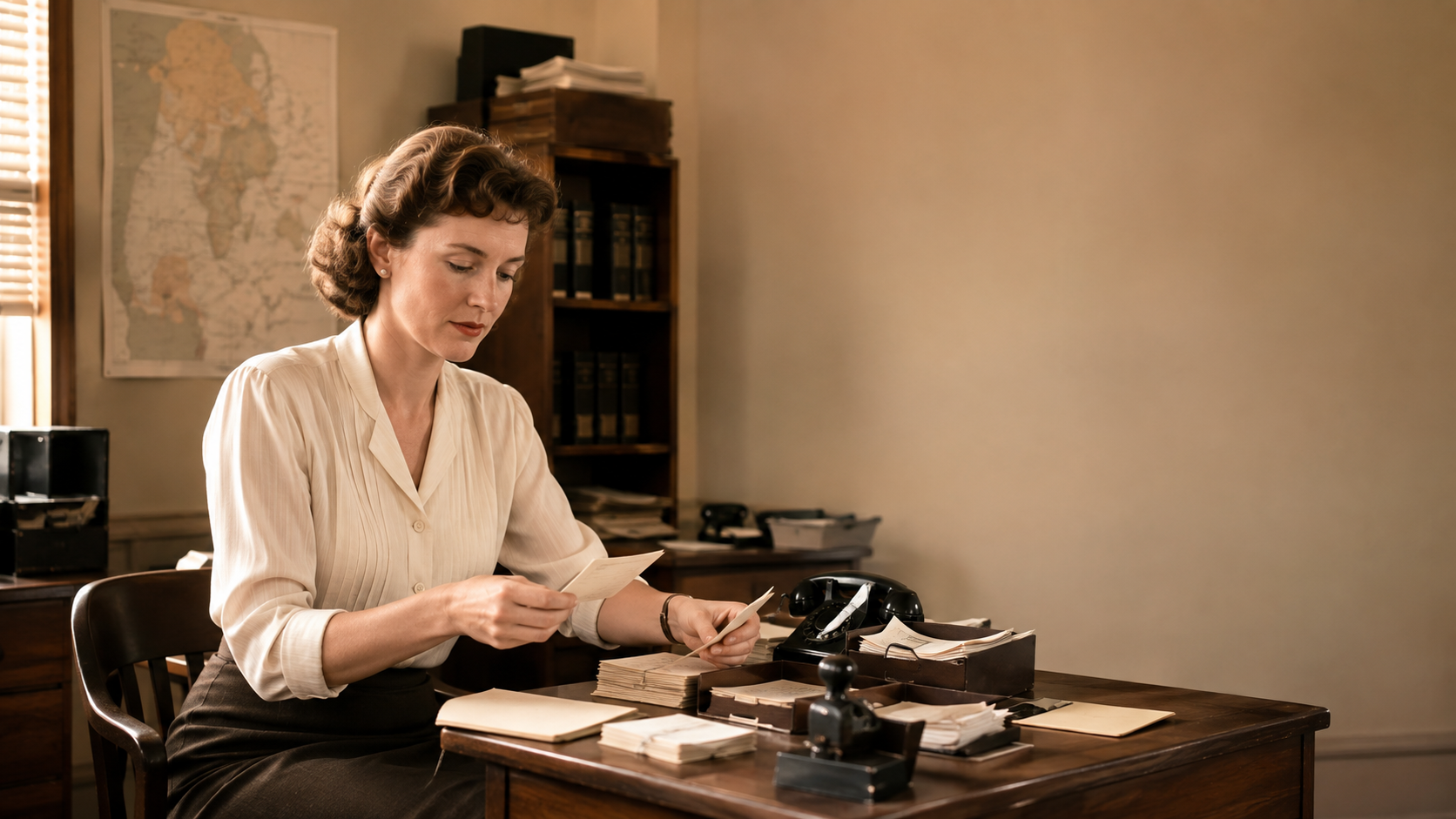
Before Julia Child became a celebrated cooking teacher, she served in the Office of Strategic Services, the wartime predecessor of the CIA. Archival records show that Julia McWilliams worked in Washington, Ceylon, and China, handling sensitive communications and supporting emergency rescue research. Her section was connected with experiments on shark repellent, although she did not single-handedly invent it. The deeper surprise is how that chapter redirected her life: overseas service introduced her to new cuisines and to Paul Child, her future husband. The story offers a useful prompt for anyone preserving memories. An old job title often hides unexpected tasks, influential colleagues, meaningful objects, and turning points. Ask what happened before the chapter everyone knows—and save the answer while it can still be told....

Need Help?
Hello! How can we assist you today?