Blog

Articles about memoir writing, family stories, and memory preservation.

The Baseball Memoir That Kept Its Uncomfortable Truths
September 04, 2026

The Baseball Memoir That Kept Its Uncomfortable Truths

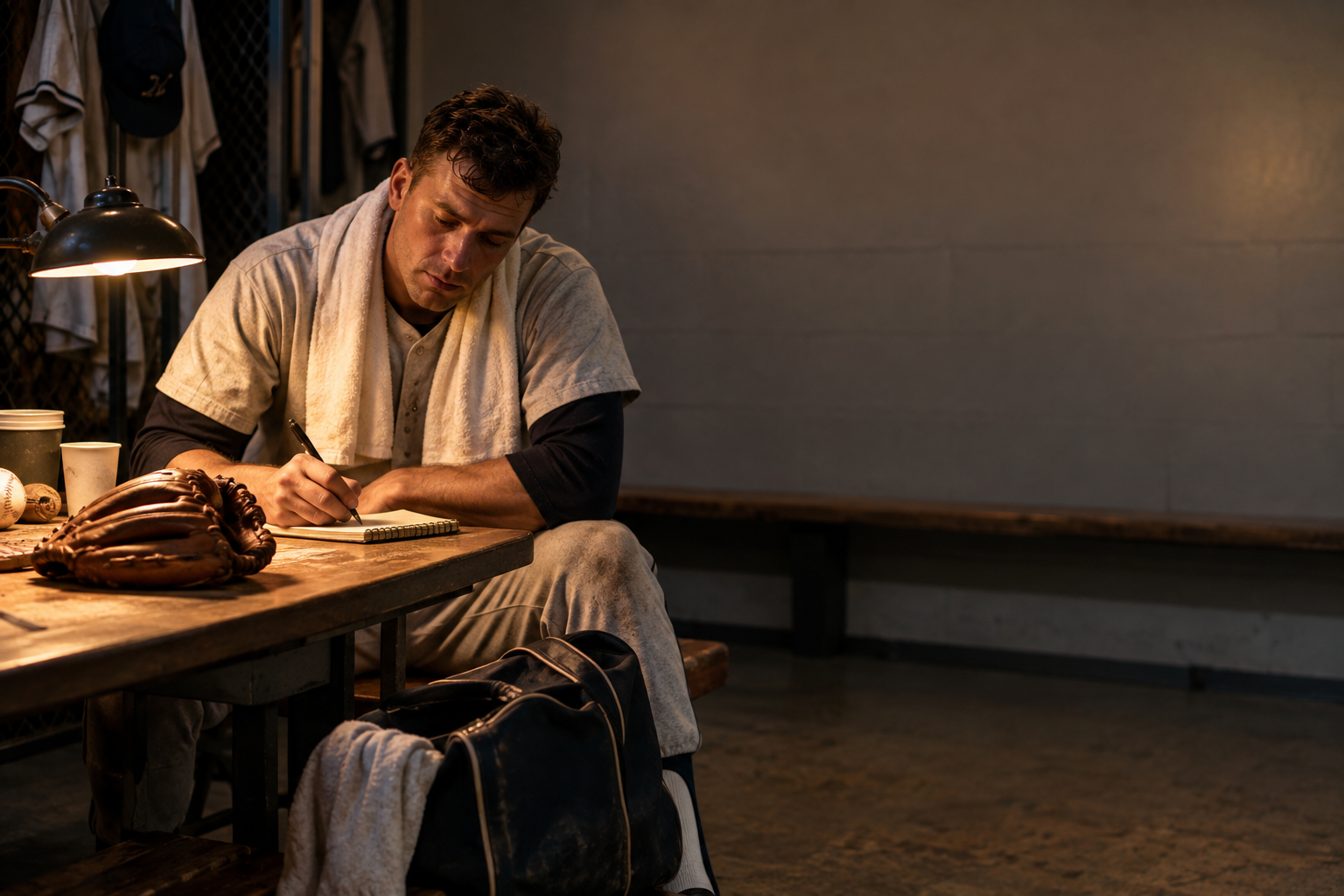
Jim Bouton’s *Ball Four* began with a simple, almost accidental resource: notes he was already keeping during the 1969 baseball season. Those notes became a candid memoir about the life surrounding professional games, including the conversations, habits, tensions, and personalities an official scorecard could never capture. The Library of Congress also preserves a revealing moment from the editing process: when an unflattering passage was marked for removal, Bouton wrote “Stet,” asking that it remain. His story offers a practical lesson for family memoirists. Record ordinary details before trying to write beautifully, distinguish direct memory from later interpretation, and do not erase every awkward moment simply because it is uncomfortable. With care for privacy and accuracy, the margins of a life can become its most memorable record....
The Day Agatha Christie Stood Up on a Surfboard
September 01, 2026

The Day Agatha Christie Stood Up on a Surfboard

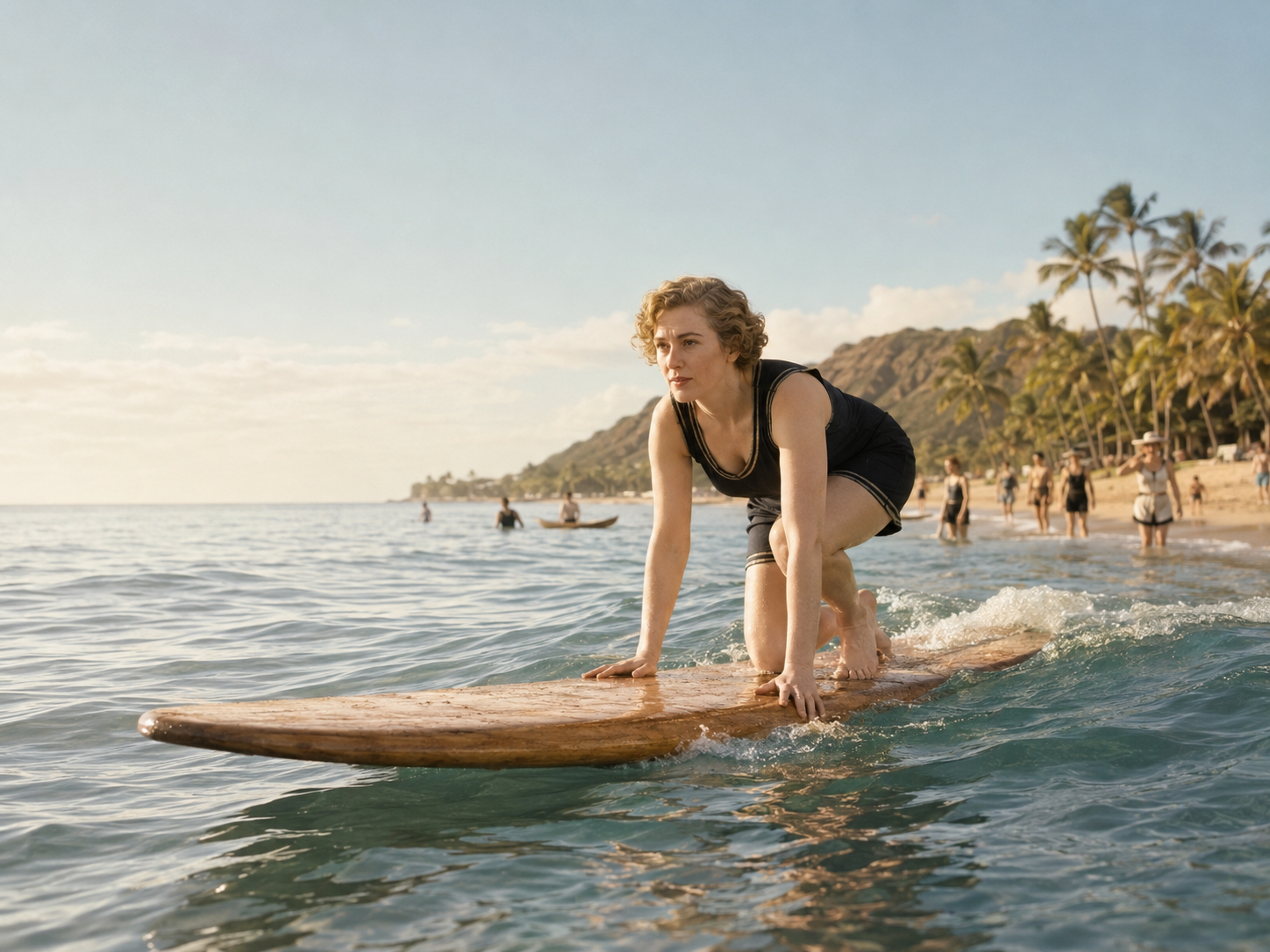
In 1922, long before Agatha Christie became fixed in the public imagination as a celebrated mystery writer, she learned to surf. Her letters, autobiography, and surviving photographs document early attempts in South Africa and days of practice at Waikiki. She remembered painful equipment, unsuitable conditions, misplaced confidence, and finally the moment she rode to shore standing up—a “complete triumph.” The evidence supports calling Christie one of the early recorded British women surfers, but not an unqualified claim that she was the world’s first Western woman to do it. Her story offers a practical lesson for preserving memories: record the awkward middle, the equipment, the warning, the helper, and the exact action that marked success. A precise, well-sourced learning story is more vivid than an unsupported superlative....

August 29, 2026

Did You Know Alexander Graham Bell Studied Sheep Alongside His Inventions?

Alexander Graham Bell is remembered for the telephone, but archival records reveal another long-running interest: sheep breeding at Beinn Bhreagh, his Nova Scotia estate. Bell sought to increase twin and triplet births, kept detailed tables of ancestry and physical traits, and even copied a 1909 newspaper advertisement offering to buy sheep with six, seven or eight nipples. An 1898 letter to his wife, Mabel, shows him tracing the ancestry and wool of a promising black lamb. The evidence does not turn his hypothesis into a modern scientific conclusion, and Bell’s broader heredity thinking included discredited eugenic ideas. His lesser-known project offers a useful prompt for family history: preserve the interests, records, unfinished experiments and troubling convictions that reveal a whole person—not only the achievement for which someone became known....

When Mark Twain Tried to Tame a Bicycle
August 28, 2026

When Mark Twain Tried to Tame a Bicycle

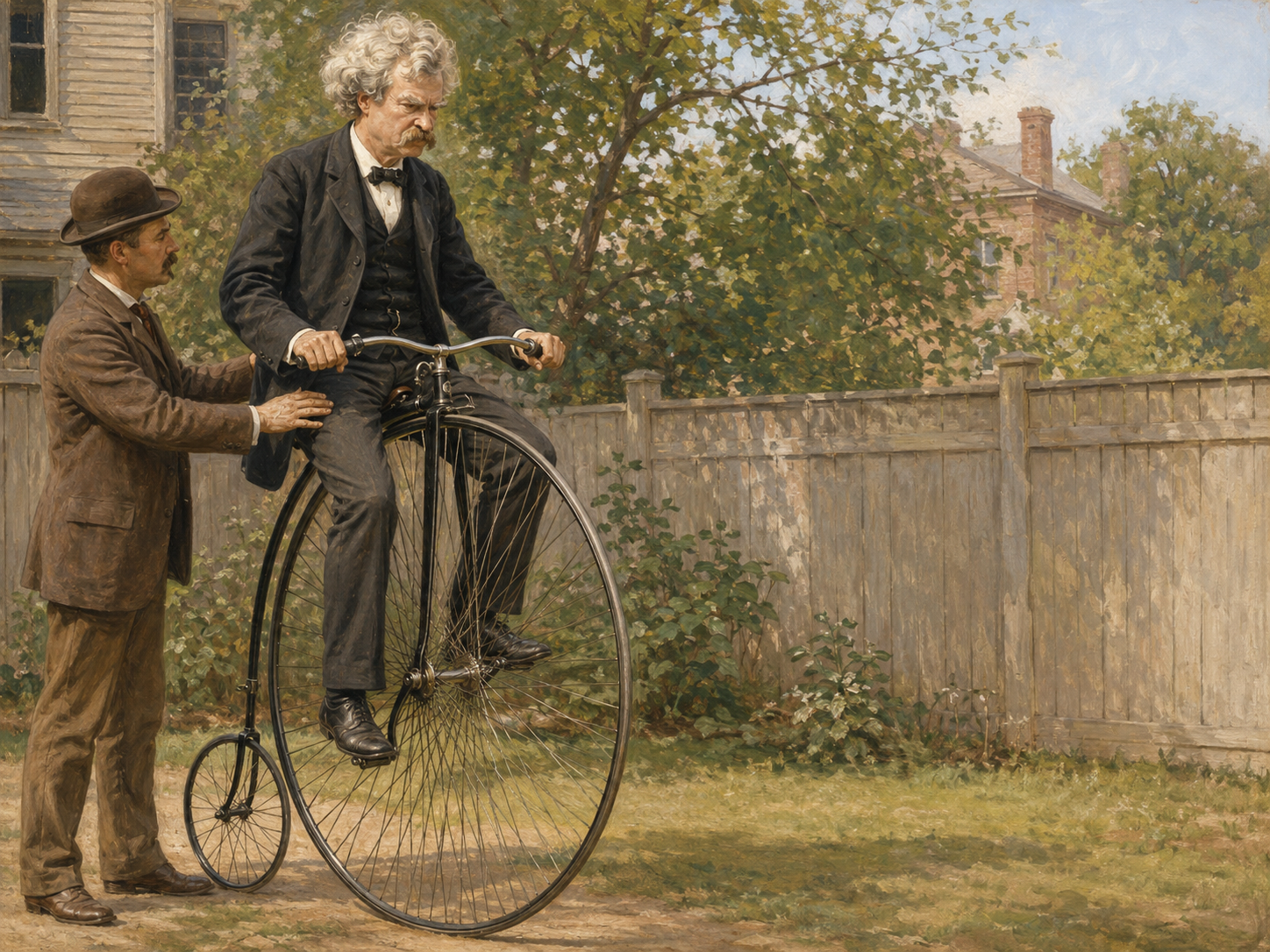
At 48, Mark Twain tried to master a high-wheel bicycle in Hartford. The attempt was real, but the crashes, commentary, and wounded dignity in “Taming the Bicycle” come through Twain’s carefully shaped comic voice. He makes himself—not his instructor or the children watching from the street—the centre of the joke. Beneath the humour is a useful lesson for preserving personal stories: a beginner’s struggle can reveal persistence, relationships, and character better than a polished success story. Record what looked easy before you tried it, the instruction your body resisted, the person who helped, the bystander who noticed, and the first small sign of progress. Keep the joke kind, identify remembered dialogue honestly, and let your present-day understanding join the scene....

Before the Books: Maya Angelou’s Teenage Streetcar Job
August 25, 2026

Before the Books: Maya Angelou’s Teenage Streetcar Job

Before Maya Angelou became a renowned poet and memoirist, she pursued a San Francisco streetcar job because she admired the women’s uniforms and money changers. The company initially refused to give the Black teenager an application. Encouraged by her mother, Vivian Baxter, Angelou returned for about two weeks and was eventually hired. Her mother then drove her to the streetcar barn and followed the early run before daybreak, sounding the horn and blowing her daughter a kiss. The verified account is more precise than the popular legend: Angelou was an electric-streetcar conductor for the private Market Street Railway, not a cable-car operator for Muni. Her story shows memoir writers why small motives, supportive gestures, exact job titles, and honestly stated uncertainty make a life story stronger....

Did You Know George Washington Ran a Major Whiskey Distillery?
August 22, 2026

Did You Know George Washington Ran a Major Whiskey Distillery?

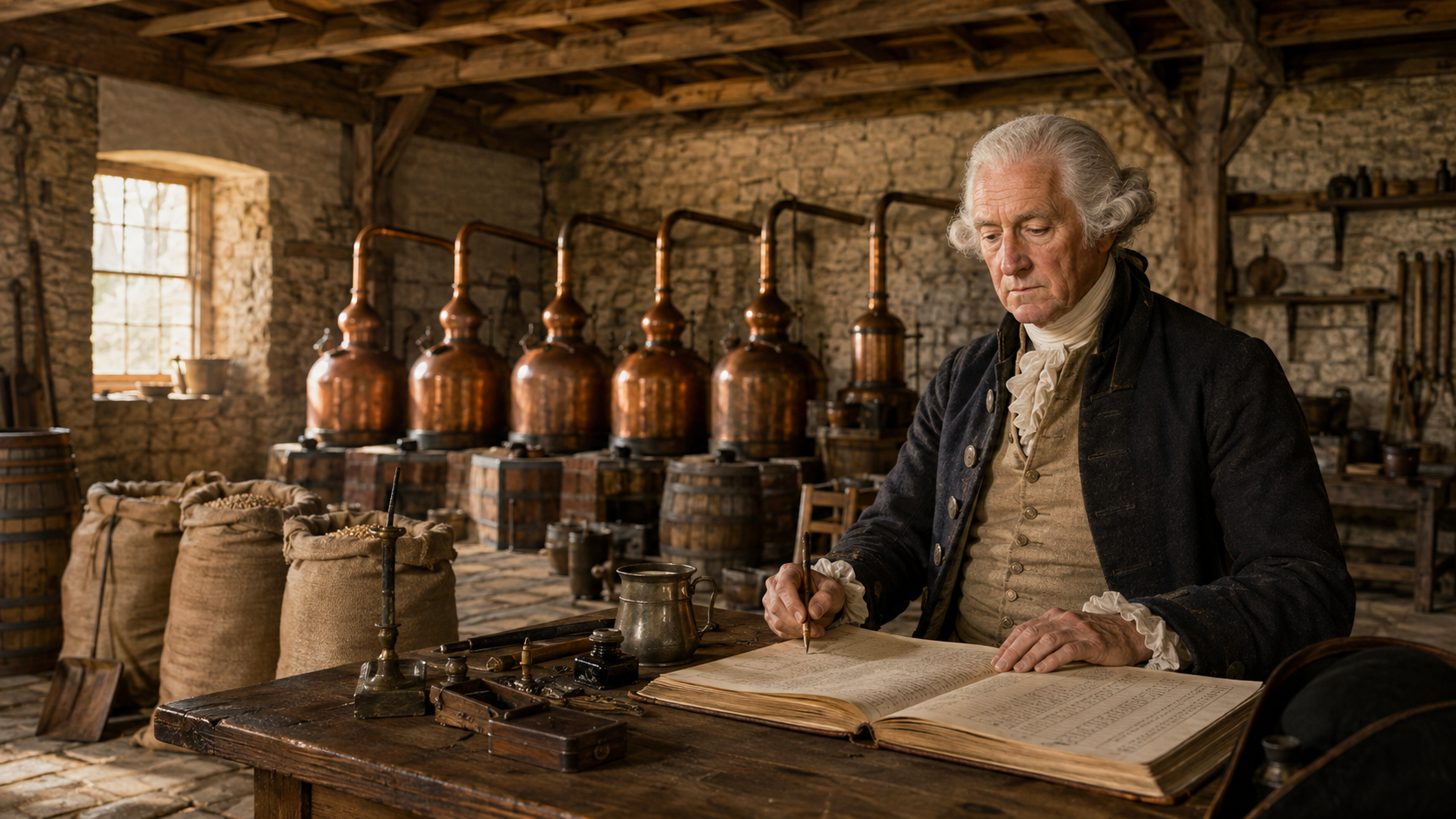
George Washington’s retirement included a surprising business chapter: a commercial whiskey distillery at Mount Vernon. His letters show that farm manager James Anderson proposed the venture in 1797 and that Washington approved a small trial before expanding it. By 1799, estate records listed sales totalling 10,942 gallons. The full story, however, extends beyond the famous owner. Anderson supplied crucial expertise, while enslaved distillers Hanson, Peter, Nat, Daniel, James, and Timothy performed hot and exhausting work. A surviving ledger, contemporary correspondence, archaeology, and reconstruction help separate evidence from legend. The practical takeaway for family historians is to look beyond familiar job titles. Letters, receipts, ledgers, tools, and other ordinary records may reveal a late-life experiment—and the overlooked people who made it possible....

The Other Franklin Kite Story: A Boy, a Pond, and a Lift
August 21, 2026

The Other Franklin Kite Story: A Boy, a Pond, and a Lift

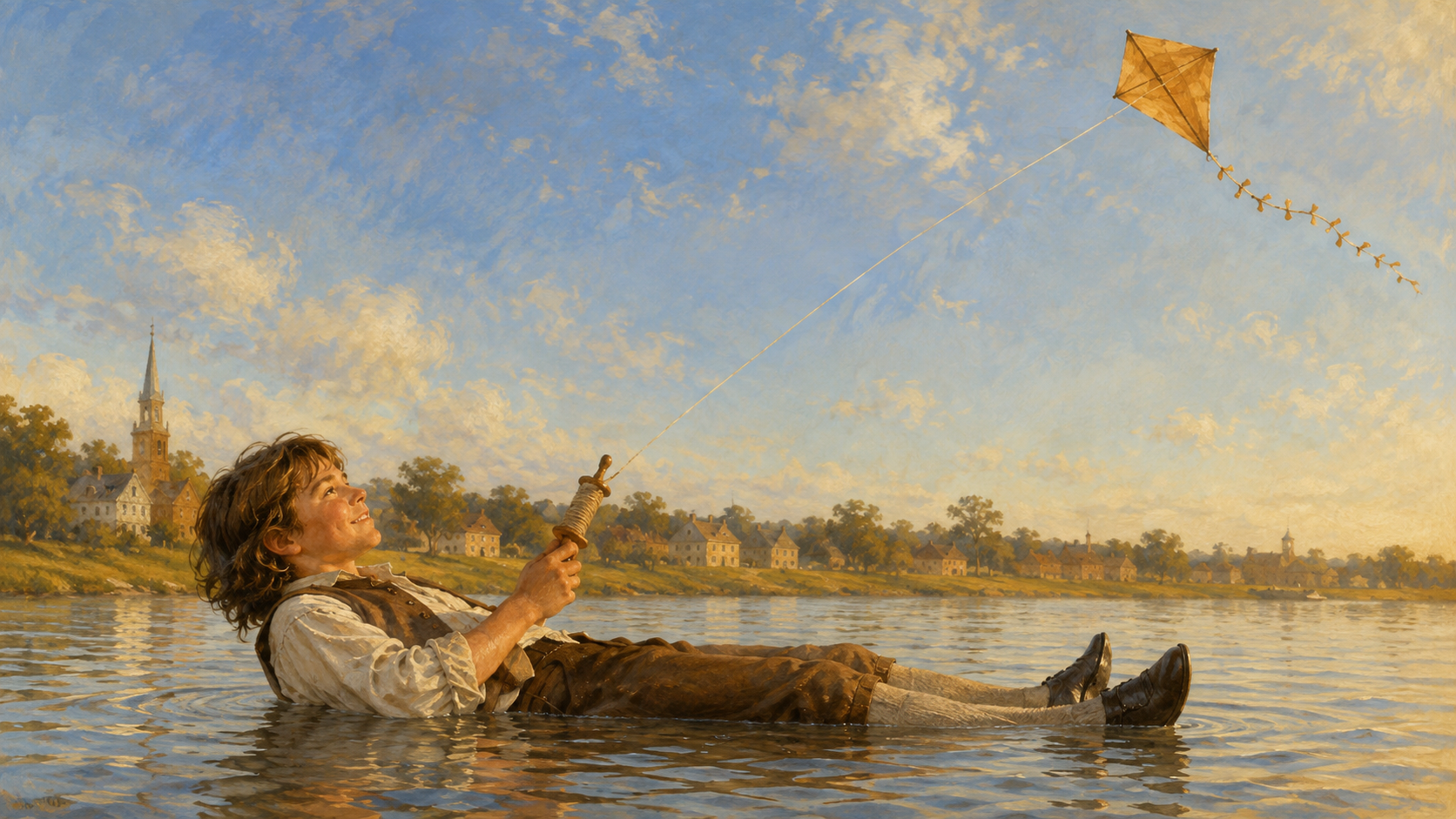
Long before Benjamin Franklin’s famous electrical kite experiment, he recalled trying another use for a kite: letting it pull him across a broad pond while he floated on his back. Another boy carried Franklin’s clothes around to the far shore, and Franklin adjusted his speed whenever the kite began to dip. His account ends with a dry suggestion that a packet boat was still the better way to cross from Dover to Calais. The story is well documented as Franklin’s later recollection and supported by an authoritative National Park Service history. It also offers a lesson for preserving family stories: attribute remembered events honestly, keep the small practical details that make a scene vivid, and never invent names, dialogue or certainty to fill a gap....

When Stickeen Crossed the Ice: John Muir’s Unforgettable Little Companion
August 18, 2026

When Stickeen Crossed the Ice: John Muir’s Unforgettable Little Companion

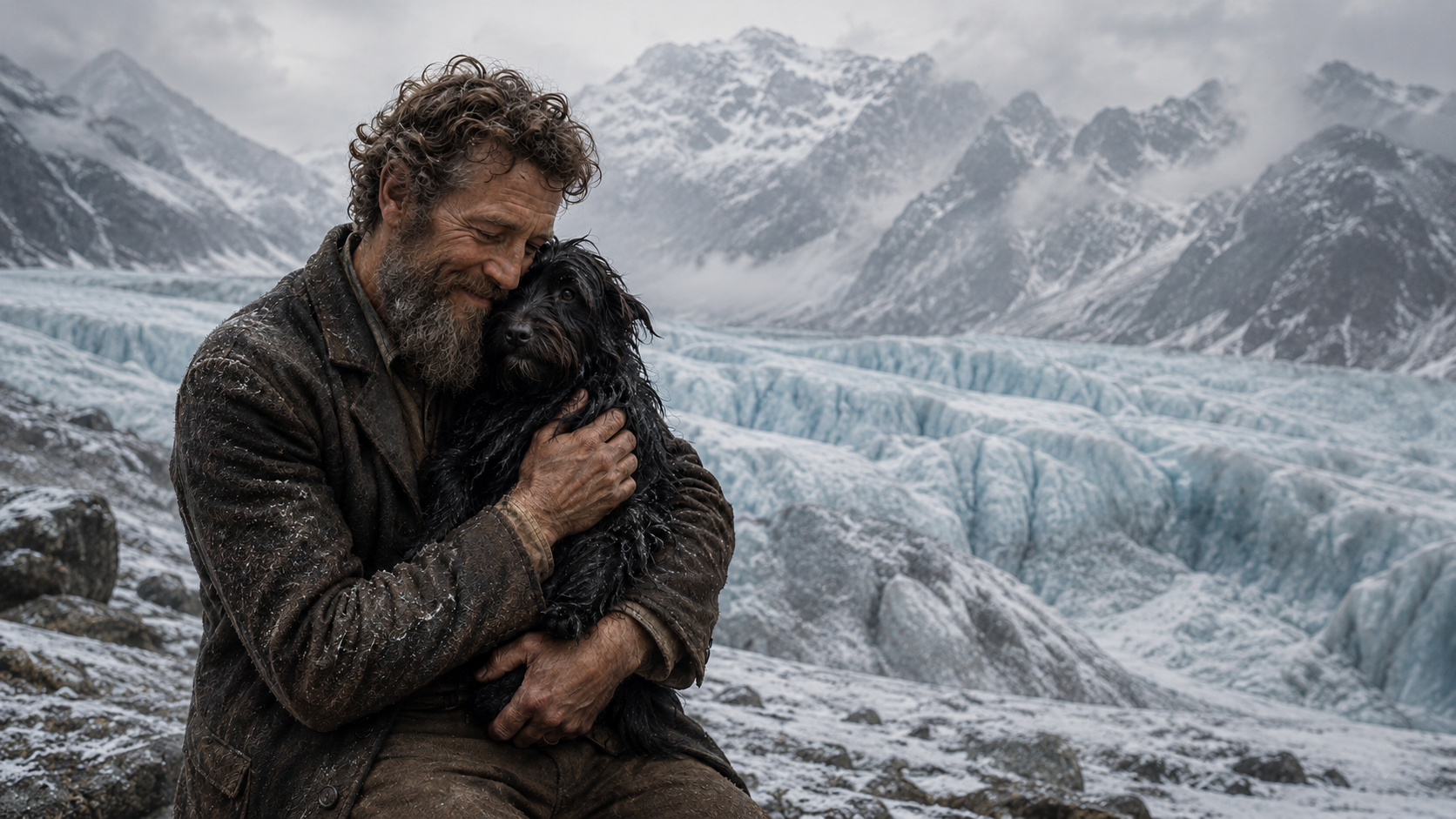
In 1880, naturalist John Muir crossed an Alaskan glacier with an unexpected companion: Stickeen, a small dog who refused to remain at camp. Muir later described how the pair navigated worsening weather and deep crevasses until Stickeen faced a narrow ice bridge that finally stopped him. The dog crossed only after visible hesitation—and then burst into an unforgettable display of motion and relief. The historical journey is documented, while the dramatic detail comes from Muir’s retrospective first-person account and surviving notebook. His story offers a practical memoir lesson: establish the facts, attribute remembered details clearly, and look for the physical gesture that reveals an emotional turning point. A family story becomes vivid not merely when we record what happened, but when we preserve the small action that changed how we understood someone....

Before Julia Child Became a Chef, She Worked for a Wartime Intelligence Agency
August 15, 2026

Before Julia Child Became a Chef, She Worked for a Wartime Intelligence Agency

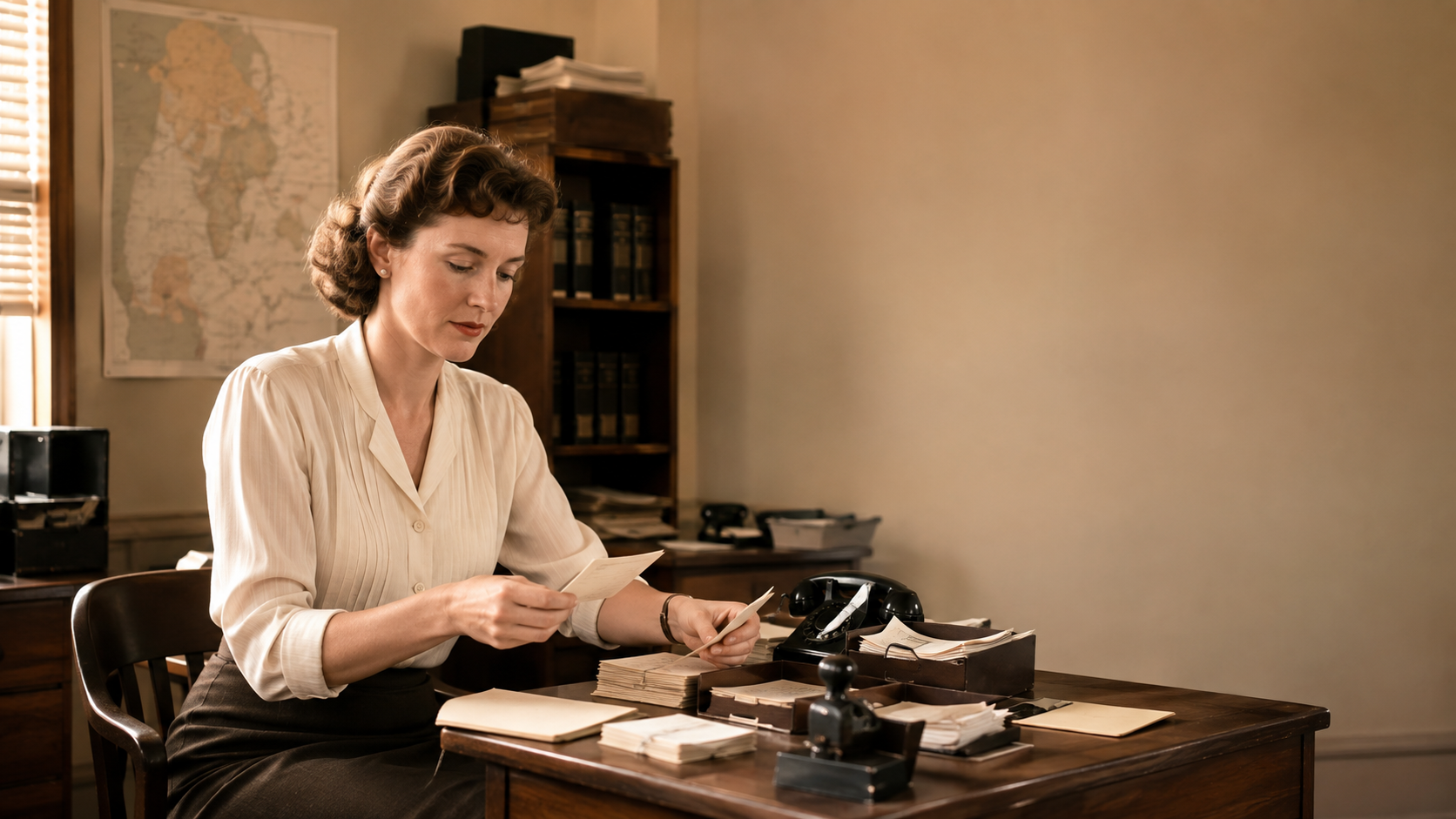
Before Julia Child became a celebrated cooking teacher, she served in the Office of Strategic Services, the wartime predecessor of the CIA. Archival records show that Julia McWilliams worked in Washington, Ceylon, and China, handling sensitive communications and supporting emergency rescue research. Her section was connected with experiments on shark repellent, although she did not single-handedly invent it. The deeper surprise is how that chapter redirected her life: overseas service introduced her to new cuisines and to Paul Child, her future husband. The story offers a useful prompt for anyone preserving memories. An old job title often hides unexpected tasks, influential colleagues, meaningful objects, and turning points. Ask what happened before the chapter everyone knows—and save the answer while it can still be told....

Need Help?
Hello! How can we assist you today?