Blog

Articles about memoir writing, family stories, and memory preservation.

Active topic: Famous People
Lord Byron’s Tame Bear and the Story a Letter Saved
September 20, 2026

Lord Byron’s Tame Bear and the Story a Letter Saved

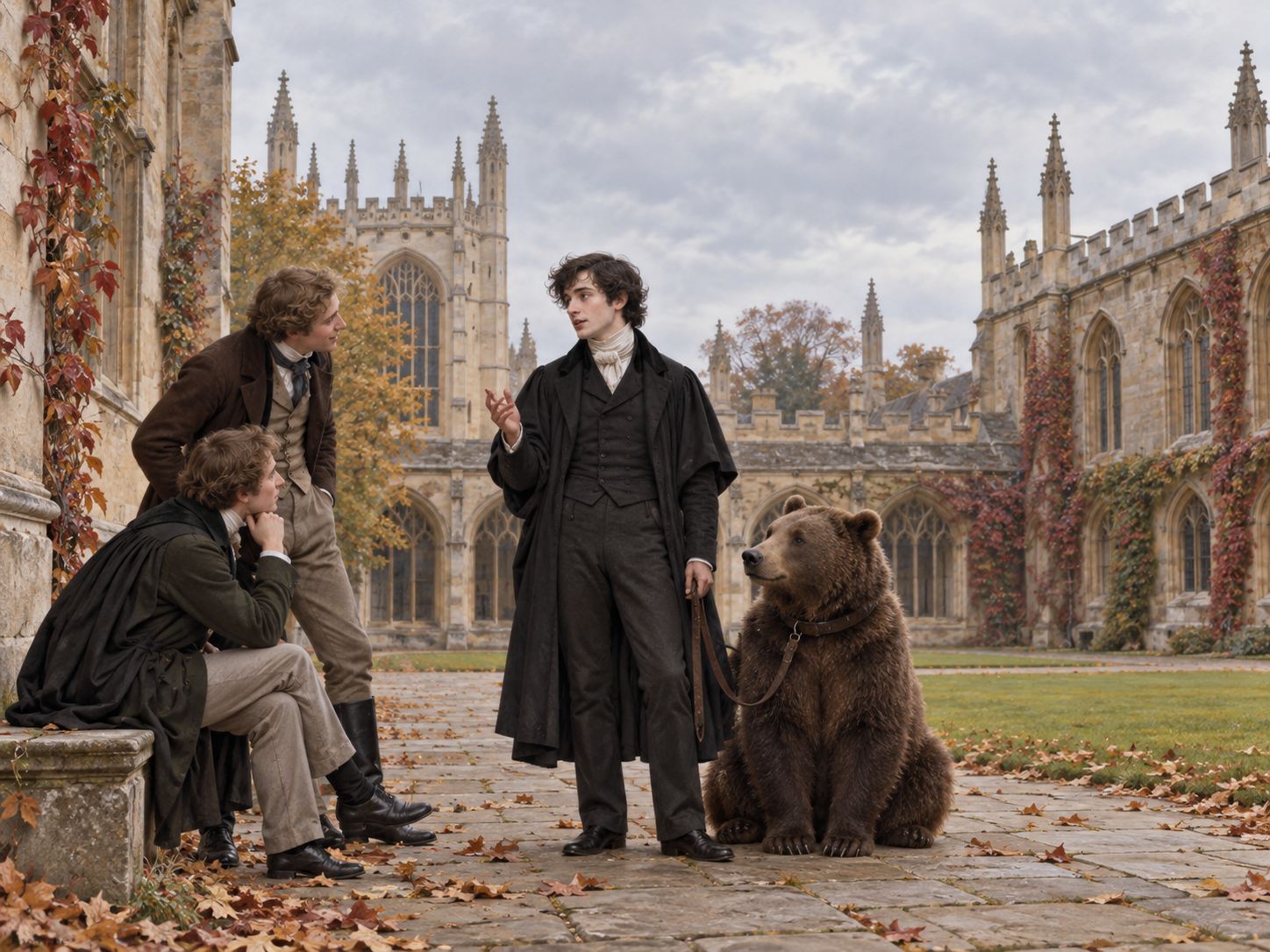
In 1807, Lord Byron wrote to Elizabeth Pigot that he had acquired a tame bear while a student at Trinity College, Cambridge. When people asked what he planned to do with it, he joked that the bear should sit for a fellowship. Trinity College preserves the letter’s wording and context, while later institutional accounts wisely leave some details of the bear’s daily life uncertain. That makes the episode a useful memory lesson as well as a funny historical story: keep the date, source, setting, and voice, but label later embellishments as tradition or interpretation. Family archives work the same way. A small note, letter, or recollection can preserve personality more vividly than an official record. What unusual visitor, family rule, or perfectly timed joke deserves to be saved in your own story?...
Did You Know Jane Austen Wrote a Very Biased History of England at Fifteen?
September 19, 2026

Did You Know Jane Austen Wrote a Very Biased History of England at Fifteen?

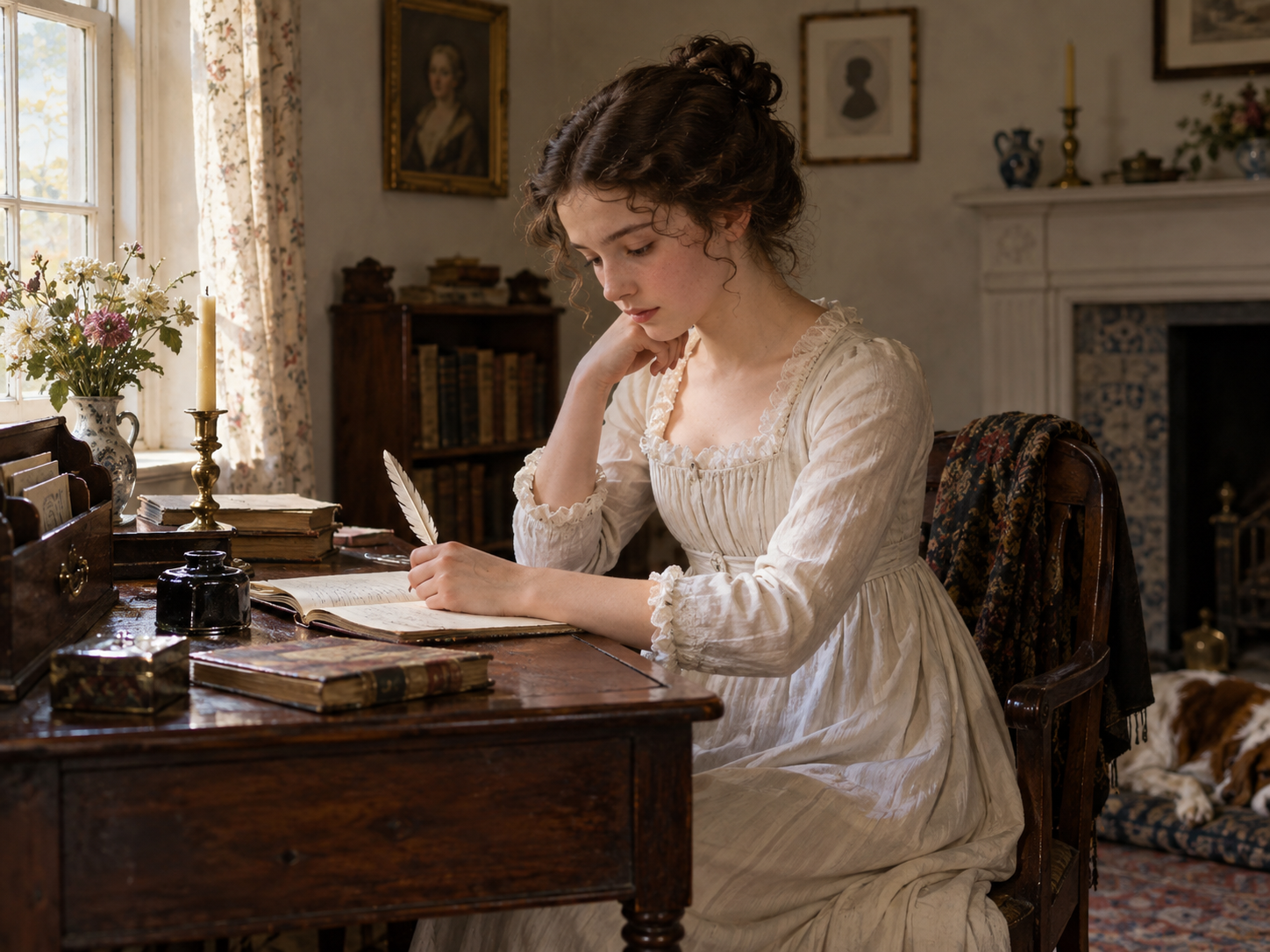
At fifteen, Jane Austen wrote a thirty-four-page *History of England* that openly called itself partial and prejudiced. The satirical manuscript defended Mary, Queen of Scots, attacked Elizabeth I, and made fun of the idea that history could always be perfectly impartial. Her sister Cassandra painted portraits of the monarchs, and Austen copied the work into a notebook given by her father. The volume survived through Austen family members before entering the British Library’s collection. This small, playful book preserves more than an early literary experiment: it records sisters collaborating, family jokes, a young writer testing her voice, and a private audience that understood the references. For family historians, the lesson is simple: save imperfect early writing, identify the people behind its jokes, and preserve the context that makes it meaningful....

Did You Know Frederick Douglass Paid for Reading Lessons with Bread?
September 12, 2026

Did You Know Frederick Douglass Paid for Reading Lessons with Bread?

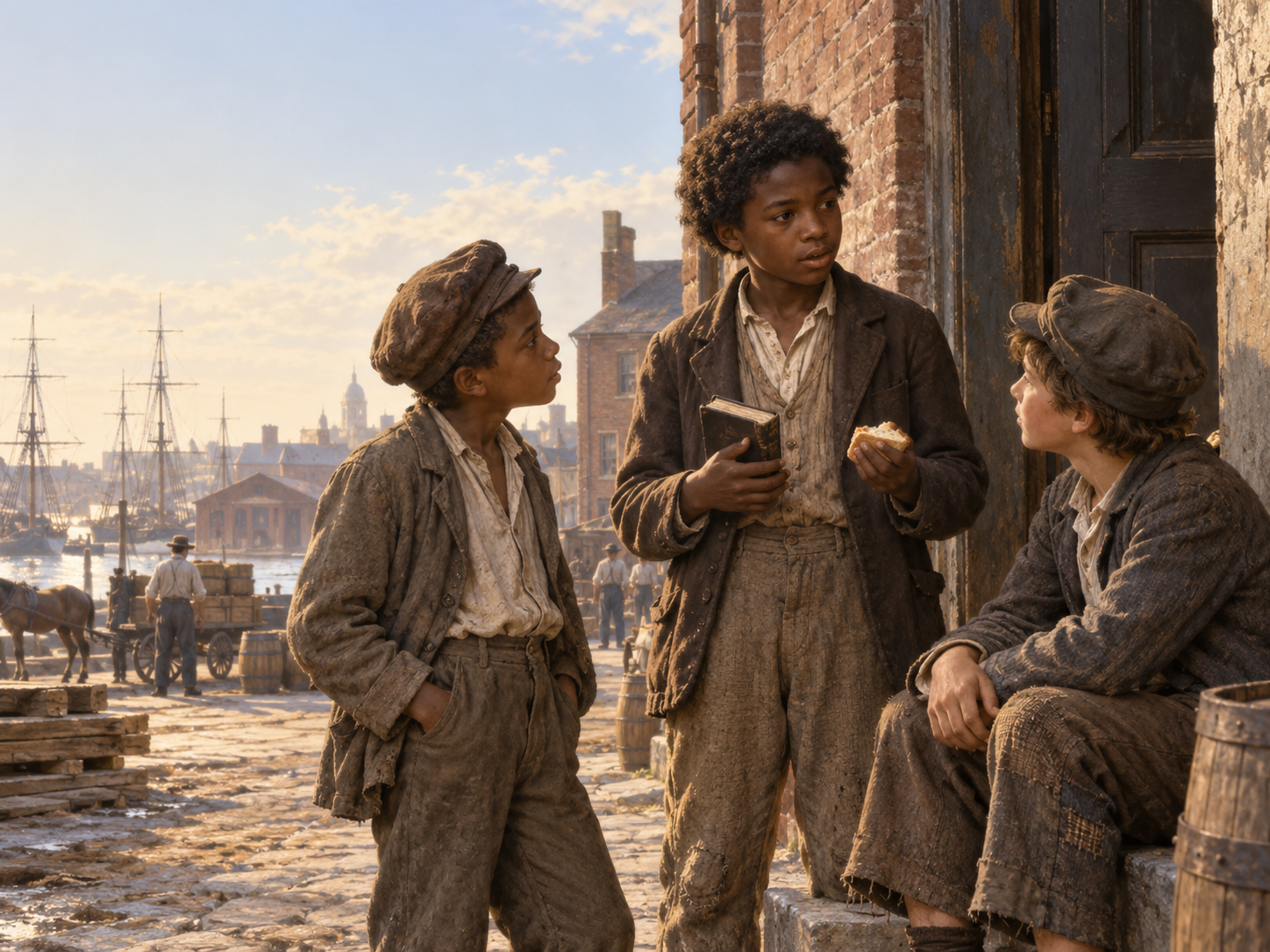
Frederick Douglass’s 1845 narrative records an ingenious way he continued learning to read as a boy in Baltimore: he carried bread from the Auld household and exchanged it with local boys for reading lessons. The Library of Congress and National Park Service confirm the surrounding history, including his early alphabet lessons, the interruption of formal instruction, and his later secret reading. The article treats the bread-for-lessons episode as Douglass’s own recollection, preserving the story without pretending every detail was independently witnessed. It also draws out a practical memory lesson: when recording a family achievement, remember the helpers, objects, places, and exchanges that made it possible. Readers are invited to document one skill learned informally and to distinguish memory, family report, and documentary evidence....

John Adams, Cupid’s Grove, and the Memory of a Very Old Walk
September 08, 2026

John Adams, Cupid’s Grove, and the Memory of a Very Old Walk

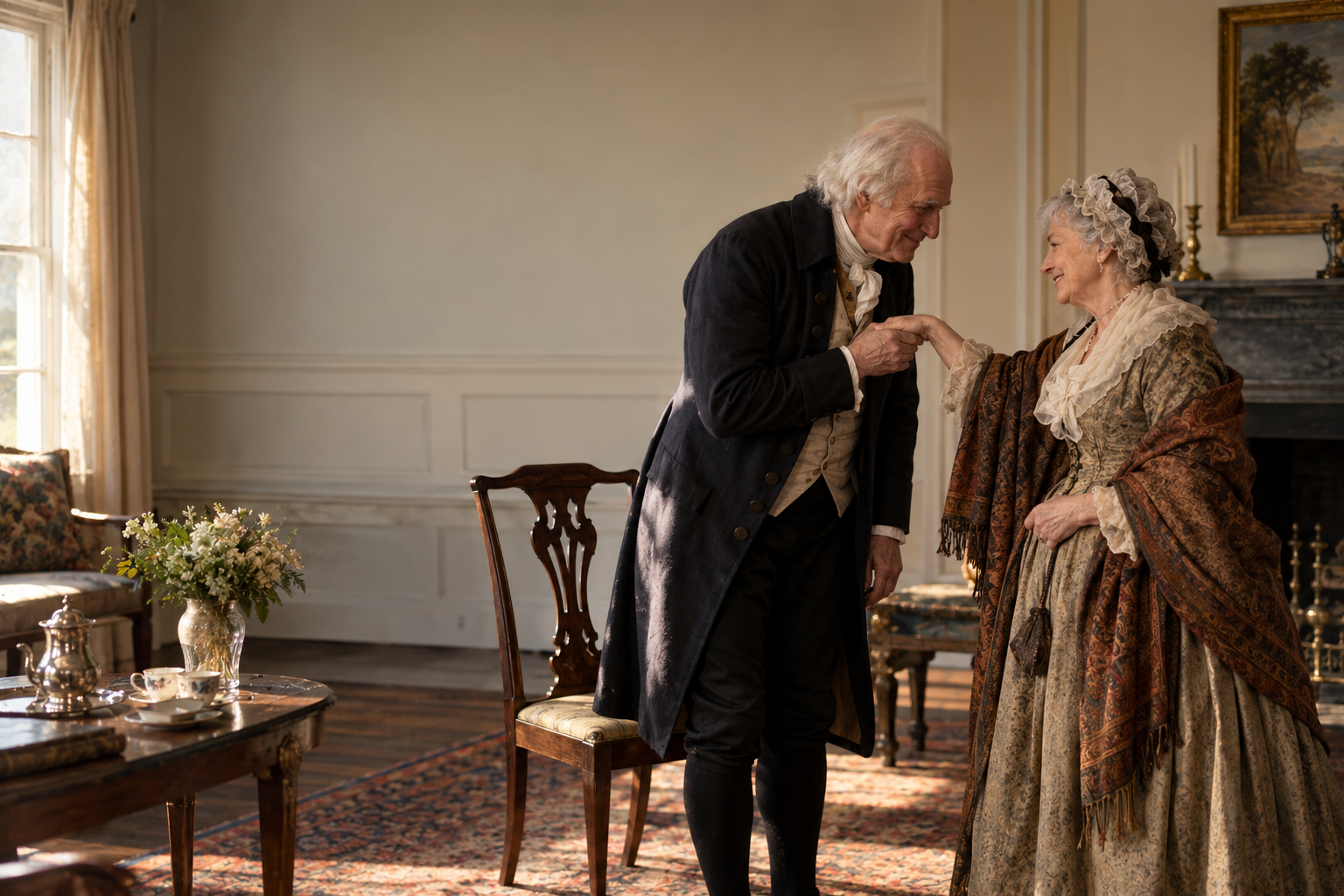
In the early 1820s, nearly ninety-year-old John Adams reportedly welcomed Hannah Storer, once the young woman he had called “Orlinda,” with a teasing invitation to walk again in Cupid’s Grove. Her reply recalled that it would not be their first walk there. The Adams Papers preserve this charming exchange while carefully identifying its status: it comes from Josiah Quincy’s later reminiscence, not a contemporaneous diary entry. That distinction offers a practical lesson for family historians. A story can remain warm and memorable while clearly separating witnessed facts, later recollection, and uncertainty. When recording a family anecdote, save the place, people, remembered words, source, and approximate date. The small exchange may reveal more than a formal milestone: affection, humour, privacy, and the meaning a familiar place gathers across a lifetime....

The Baseball Memoir That Kept Its Uncomfortable Truths
September 04, 2026

The Baseball Memoir That Kept Its Uncomfortable Truths

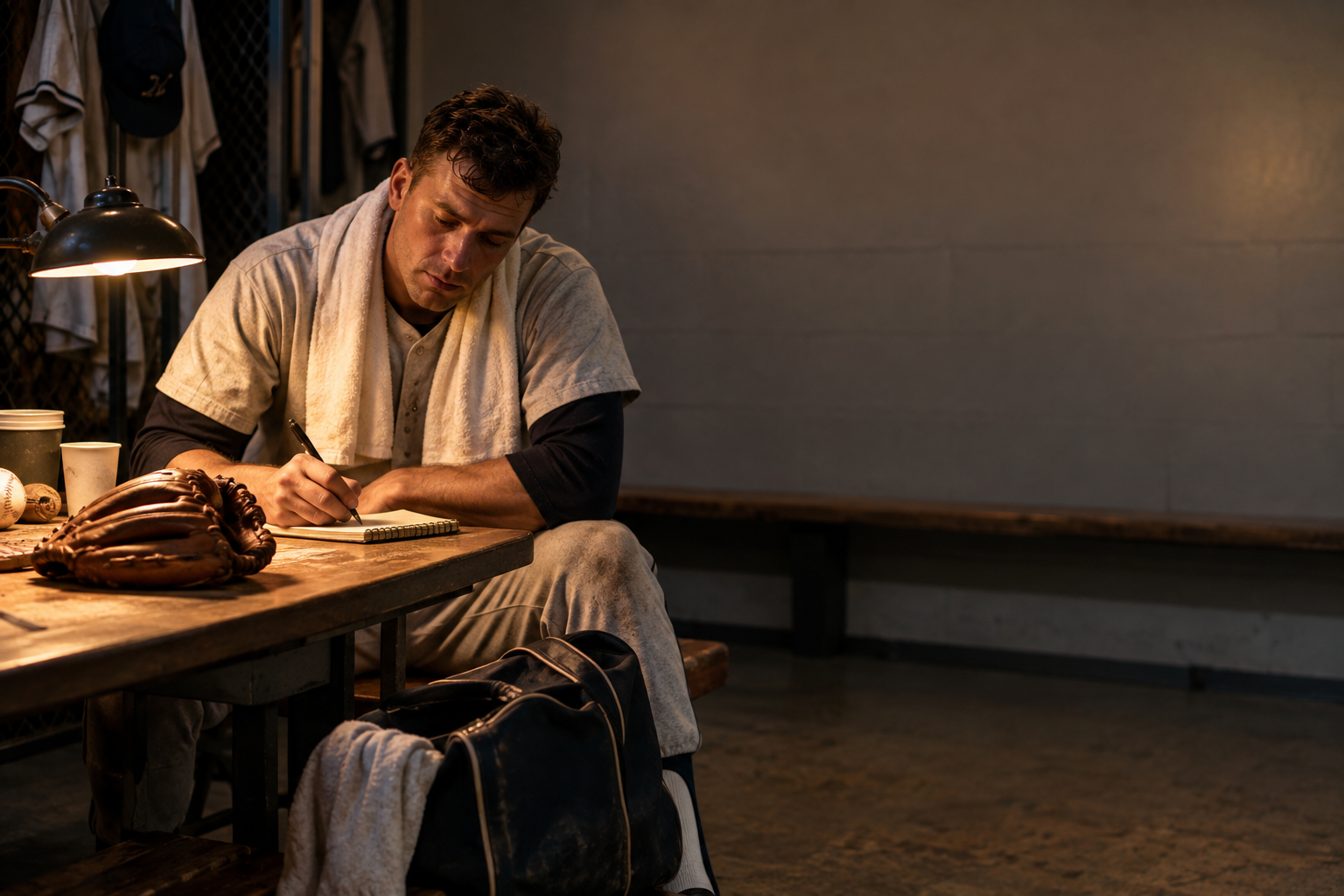
Jim Bouton’s *Ball Four* began with a simple, almost accidental resource: notes he was already keeping during the 1969 baseball season. Those notes became a candid memoir about the life surrounding professional games, including the conversations, habits, tensions, and personalities an official scorecard could never capture. The Library of Congress also preserves a revealing moment from the editing process: when an unflattering passage was marked for removal, Bouton wrote “Stet,” asking that it remain. His story offers a practical lesson for family memoirists. Record ordinary details before trying to write beautifully, distinguish direct memory from later interpretation, and do not erase every awkward moment simply because it is uncomfortable. With care for privacy and accuracy, the margins of a life can become its most memorable record....

The Day Agatha Christie Stood Up on a Surfboard
September 01, 2026

The Day Agatha Christie Stood Up on a Surfboard

In 1922, long before Agatha Christie became fixed in the public imagination as a celebrated mystery writer, she learned to surf. Her letters, autobiography, and surviving photographs document early attempts in South Africa and days of practice at Waikiki. She remembered painful equipment, unsuitable conditions, misplaced confidence, and finally the moment she rode to shore standing up—a “complete triumph.” The evidence supports calling Christie one of the early recorded British women surfers, but not an unqualified claim that she was the world’s first Western woman to do it. Her story offers a practical lesson for preserving memories: record the awkward middle, the equipment, the warning, the helper, and the exact action that marked success. A precise, well-sourced learning story is more vivid than an unsupported superlative....

August 29, 2026

Did You Know Alexander Graham Bell Studied Sheep Alongside His Inventions?

Alexander Graham Bell is remembered for the telephone, but archival records reveal another long-running interest: sheep breeding at Beinn Bhreagh, his Nova Scotia estate. Bell sought to increase twin and triplet births, kept detailed tables of ancestry and physical traits, and even copied a 1909 newspaper advertisement offering to buy sheep with six, seven or eight nipples. An 1898 letter to his wife, Mabel, shows him tracing the ancestry and wool of a promising black lamb. The evidence does not turn his hypothesis into a modern scientific conclusion, and Bell’s broader heredity thinking included discredited eugenic ideas. His lesser-known project offers a useful prompt for family history: preserve the interests, records, unfinished experiments and troubling convictions that reveal a whole person—not only the achievement for which someone became known....

When Mark Twain Tried to Tame a Bicycle
August 28, 2026

When Mark Twain Tried to Tame a Bicycle

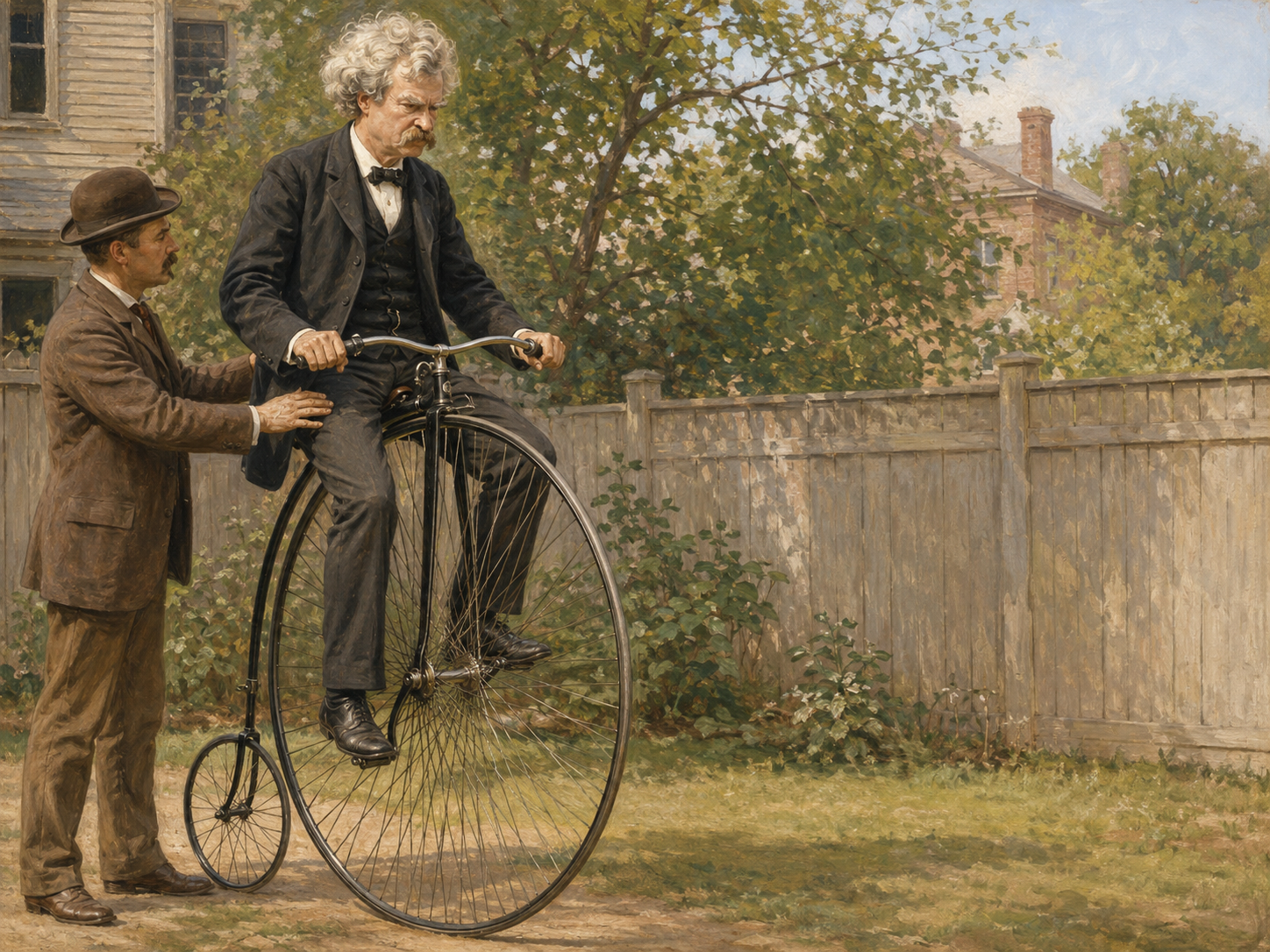
At 48, Mark Twain tried to master a high-wheel bicycle in Hartford. The attempt was real, but the crashes, commentary, and wounded dignity in “Taming the Bicycle” come through Twain’s carefully shaped comic voice. He makes himself—not his instructor or the children watching from the street—the centre of the joke. Beneath the humour is a useful lesson for preserving personal stories: a beginner’s struggle can reveal persistence, relationships, and character better than a polished success story. Record what looked easy before you tried it, the instruction your body resisted, the person who helped, the bystander who noticed, and the first small sign of progress. Keep the joke kind, identify remembered dialogue honestly, and let your present-day understanding join the scene....

Before the Books: Maya Angelou’s Teenage Streetcar Job
August 25, 2026

Before the Books: Maya Angelou’s Teenage Streetcar Job

Before Maya Angelou became a renowned poet and memoirist, she pursued a San Francisco streetcar job because she admired the women’s uniforms and money changers. The company initially refused to give the Black teenager an application. Encouraged by her mother, Vivian Baxter, Angelou returned for about two weeks and was eventually hired. Her mother then drove her to the streetcar barn and followed the early run before daybreak, sounding the horn and blowing her daughter a kiss. The verified account is more precise than the popular legend: Angelou was an electric-streetcar conductor for the private Market Street Railway, not a cable-car operator for Muni. Her story shows memoir writers why small motives, supportive gestures, exact job titles, and honestly stated uncertainty make a life story stronger....

Need Help?
Hello! How can we assist you today?