Blog

Articles about memoir writing, family stories, and memory preservation.

Active topic: Memoir Writing
When Mark Twain Tried to Tame a Bicycle
August 28, 2026

When Mark Twain Tried to Tame a Bicycle

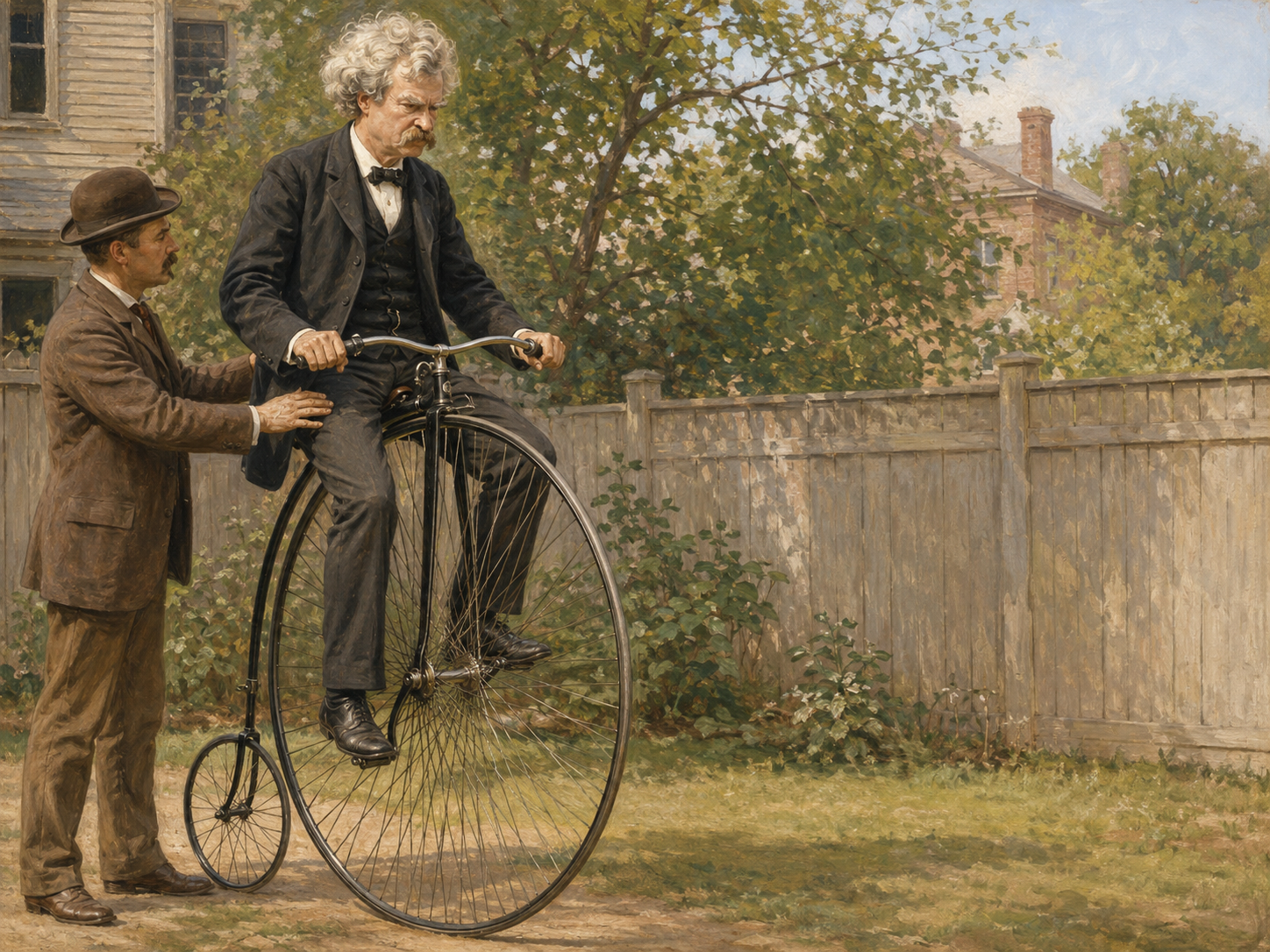
At 48, Mark Twain tried to master a high-wheel bicycle in Hartford. The attempt was real, but the crashes, commentary, and wounded dignity in “Taming the Bicycle” come through Twain’s carefully shaped comic voice. He makes himself—not his instructor or the children watching from the street—the centre of the joke. Beneath the humour is a useful lesson for preserving personal stories: a beginner’s struggle can reveal persistence, relationships, and character better than a polished success story. Record what looked easy before you tried it, the instruction your body resisted, the person who helped, the bystander who noticed, and the first small sign of progress. Keep the joke kind, identify remembered dialogue honestly, and let your present-day understanding join the scene....


One Belief, One Story: Write a Personal Credo
August 26, 2026

One Belief, One Story: Write a Personal Credo

A personal credo turns a large question—“What do I believe?”—into a manageable reflective-writing practice. Choose one principle that genuinely guides part of your life, then ground it in a specific moment when that belief was formed, tested, changed, or put into practice. Separate what happened from what you understand about it now, draft in your natural first-person voice, and read the piece aloud to remove anything that sounds like a speech. The article draws on verified guidance from the This I Believe project and historical context from the Library of Congress. It also encourages honest limits, respect for other people’s privacy, and dating the finished piece so it can remain a truthful snapshot of what mattered to you at this point in your life....

Before the Books: Maya Angelou’s Teenage Streetcar Job
August 25, 2026

Before the Books: Maya Angelou’s Teenage Streetcar Job

Before Maya Angelou became a renowned poet and memoirist, she pursued a San Francisco streetcar job because she admired the women’s uniforms and money changers. The company initially refused to give the Black teenager an application. Encouraged by her mother, Vivian Baxter, Angelou returned for about two weeks and was eventually hired. Her mother then drove her to the streetcar barn and followed the early run before daybreak, sounding the horn and blowing her daughter a kiss. The verified account is more precise than the popular legend: Angelou was an electric-streetcar conductor for the private Market Street Railway, not a cable-car operator for Muni. Her story shows memoir writers why small motives, supportive gestures, exact job titles, and honestly stated uncertainty make a life story stronger....

Map the Place Before You Write the Memory
August 24, 2026

Map the Place Before You Write the Memory

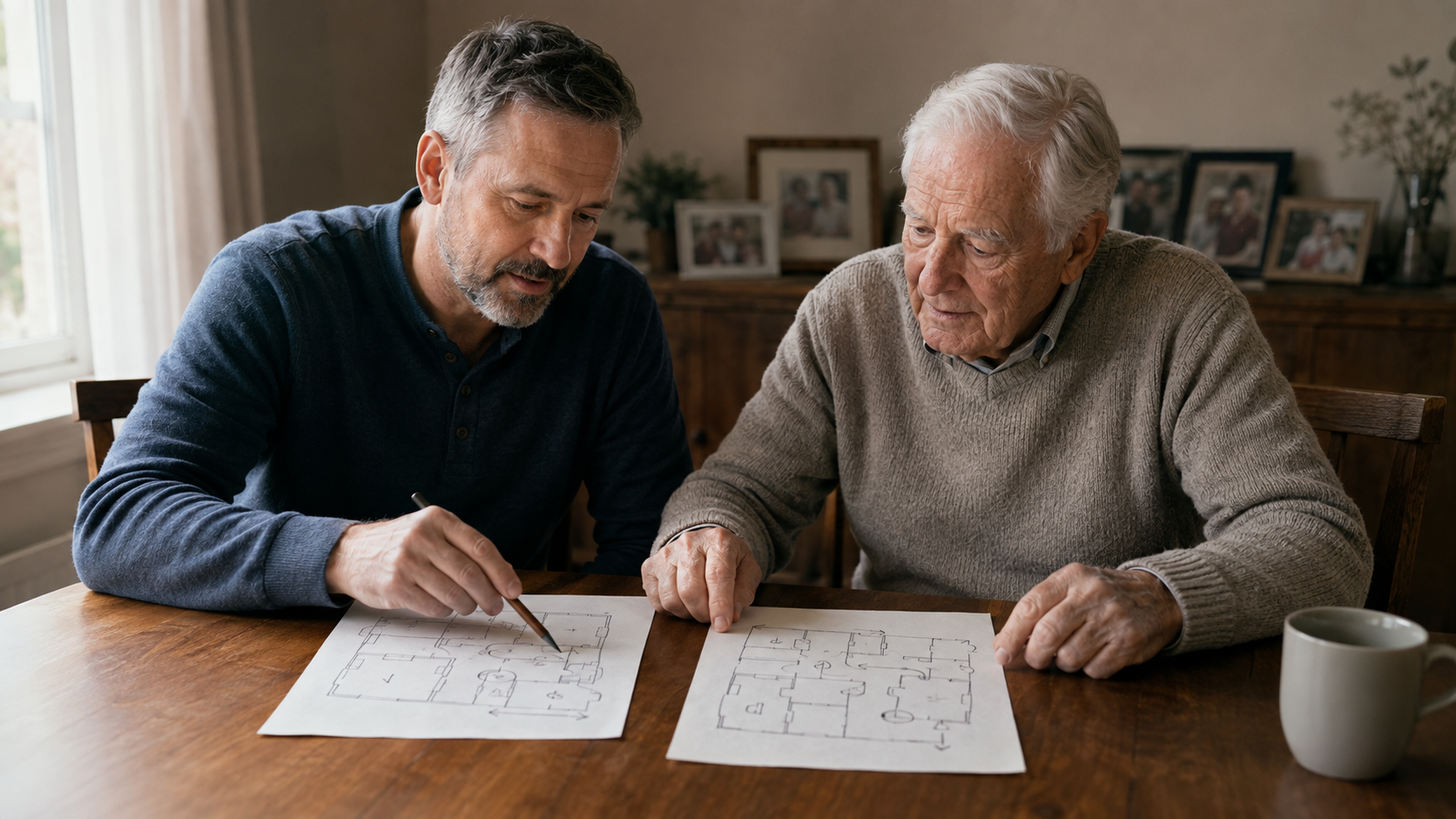
A memory map can make a vague setting easier to write without pretending every recollection is exact. This practical five-step method begins with one bounded place—a home, workplace, garden, block, or familiar route—and asks the writer to sketch it from memory. People, movement, changes, sensory details, and unanswered questions are added next. Historical fire insurance plans, topographic maps, directories, and local archives can then help check the setting, but records should not be mistaken for proof of personal experience. By labelling details as remembered, documented, or uncertain, a memoir writer can preserve both useful evidence and honest doubt. Finally, one route across the map becomes the backbone of a focused scene, from entrance and destination to interruption and exit....

An Ordinary Day Is Worth Writing Down
August 19, 2026

An Ordinary Day Is Worth Writing Down

Milestones are easy to label as important, but the routines and small variations of ordinary life are often what families later struggle to reconstruct. This article offers a five-minute journal method for preserving one everyday event without turning daily writing into homework. Add a date and useful title, anchor the moment with what, who, where, and when, notice one detail that differed from the usual pattern, and finish with one sentence of reflection. Guidance from the Library of Congress and Smithsonian Institution Archives shows why diaries’ mundane details can become meaningful records. Diary research also supports the practical value of concrete event cues, while a recent study suggests that small elements of novelty within familiar life may be especially memorable. The method makes no health promises; it simply helps today’s ordinary details remain available for tomorrow’s stories....

When Stickeen Crossed the Ice: John Muir’s Unforgettable Little Companion
August 18, 2026

When Stickeen Crossed the Ice: John Muir’s Unforgettable Little Companion

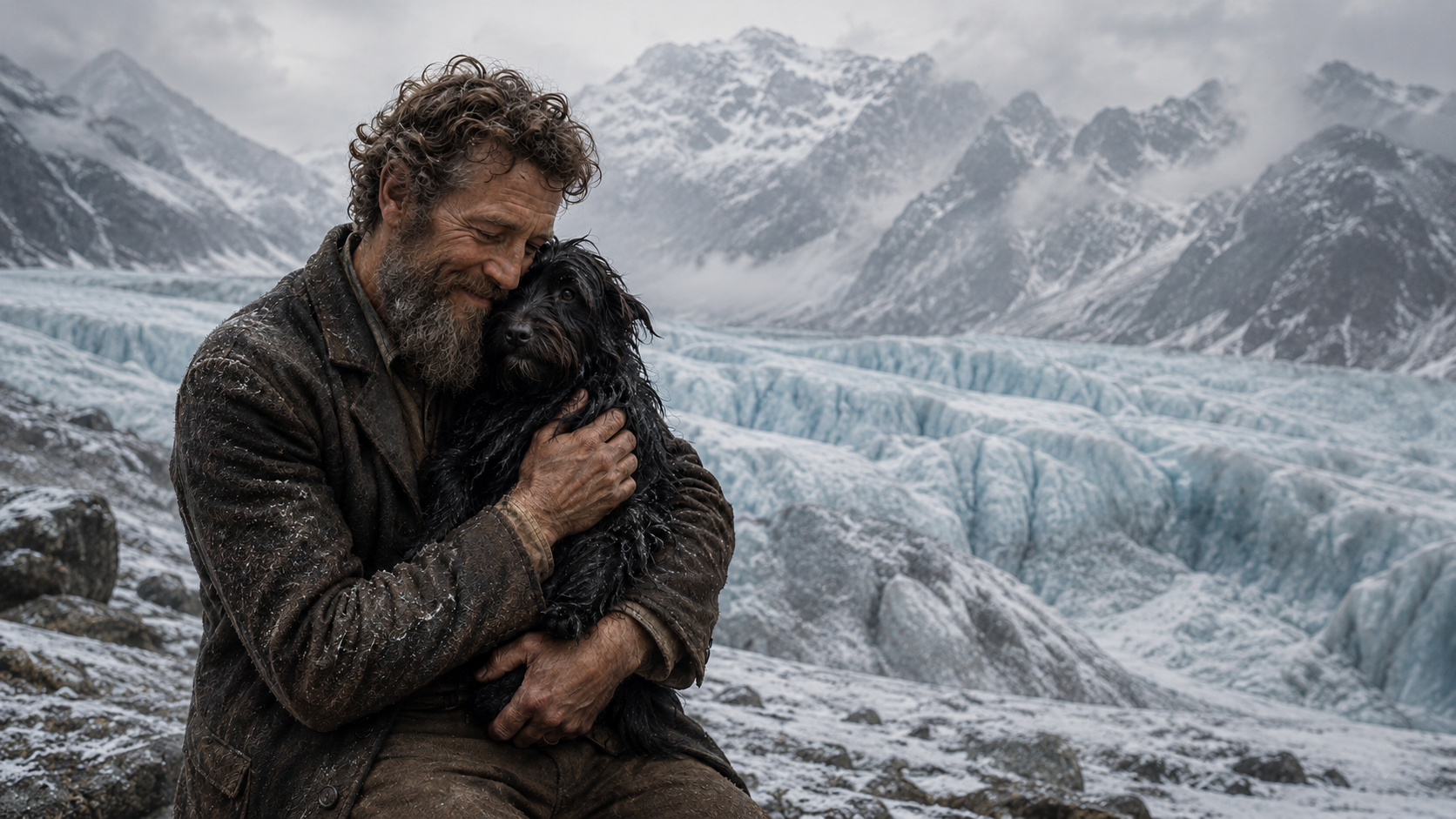
In 1880, naturalist John Muir crossed an Alaskan glacier with an unexpected companion: Stickeen, a small dog who refused to remain at camp. Muir later described how the pair navigated worsening weather and deep crevasses until Stickeen faced a narrow ice bridge that finally stopped him. The dog crossed only after visible hesitation—and then burst into an unforgettable display of motion and relief. The historical journey is documented, while the dramatic detail comes from Muir’s retrospective first-person account and surviving notebook. His story offers a practical memoir lesson: establish the facts, attribute remembered details clearly, and look for the physical gesture that reveals an emotional turning point. A family story becomes vivid not merely when we record what happened, but when we preserve the small action that changed how we understood someone....

Your Life Is Not a List: Build a Memoir Around Turning Points
August 17, 2026

Your Life Is Not a List: Build a Memoir Around Turning Points

A life timeline is useful, but it is not yet a memoir. This practical guide offers a two-pass method for turning chronology into a story with direction. First, make a simple factual timeline using names, dates, places, relationships, and broad life periods. Then identify moments after which something changed: a belief, decision, relationship, or sense of home. Choose three to five connected turning points, give each one a scene card, and test different arrangements before drafting. The article also explains how to handle remembered dialogue, uncertain dates, and conflicting family accounts honestly. Instead of trying to write an entire life from birth onward, begin with one vivid doorway into the larger story—and let the timeline remain the helpful scaffolding behind it....

Nellie Bly’s Best Detour: Meeting Jules Verne While Racing Around the World
August 15, 2026

Nellie Bly’s Best Detour: Meeting Jules Verne While Racing Around the World

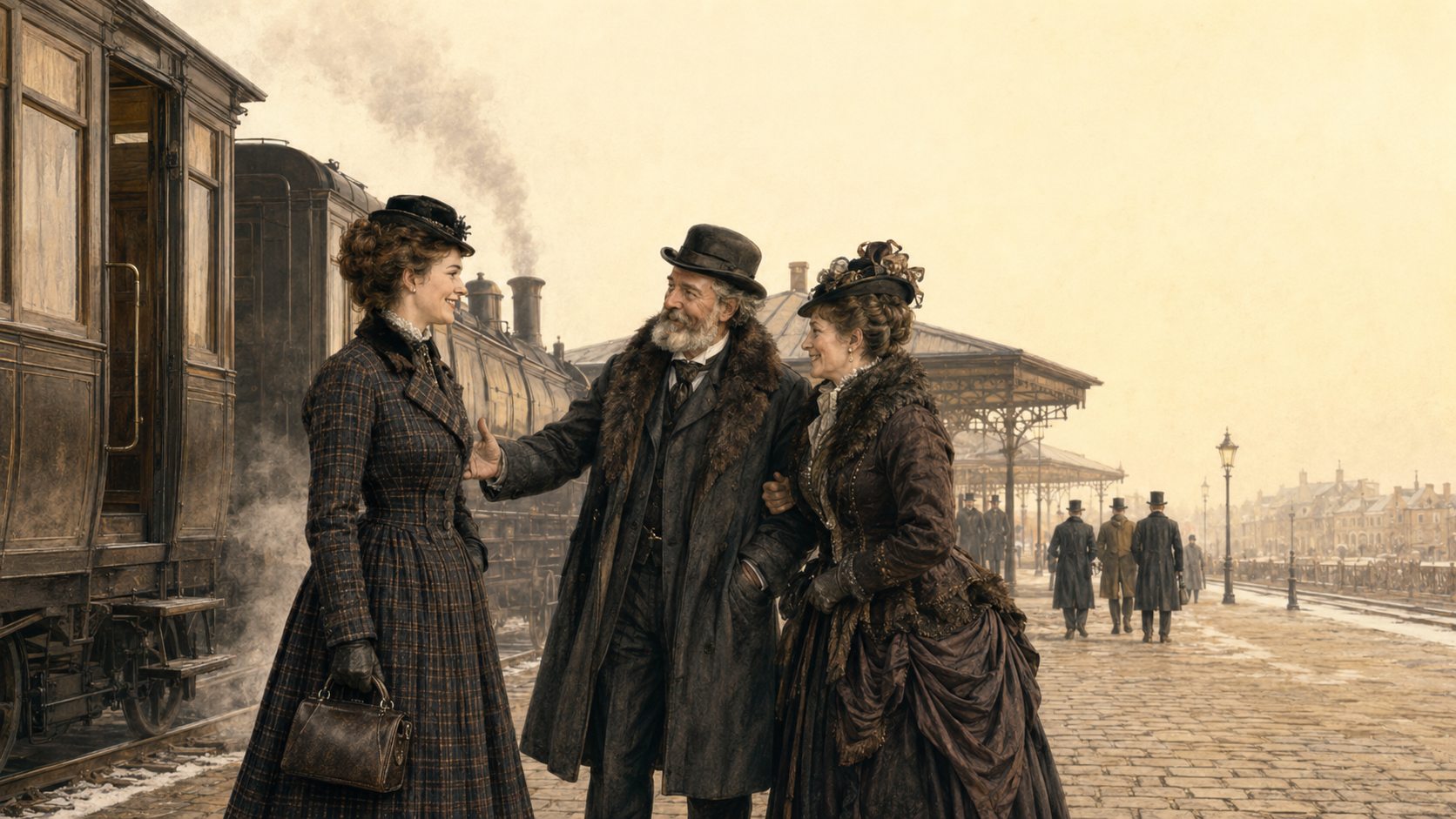
In 1889, journalist Nellie Bly set out to circle the globe faster than the fictional Phileas Fogg. Soon after crossing the Atlantic, she accepted a risky detour to Amiens to meet Jules Verne, whose novel had inspired her journey. Their brief conversation included a playful comparison of her route with Fogg’s—and ended when Bly checked her watch and hurried for the only train that would keep her schedule intact. She completed the journey in 72 days, 6 hours, 11 minutes and 14 seconds. The lasting charm of her account lies not only in that record, but in the human details she preserved. Her example offers a memoir lesson: begin with the official fact, then record the worry, joke, practical problem and choice that reveal what the experience meant....

Creating Memoirs is now easy!
August 04, 2026

Creating Memoirs is now easy!

Step-by-step instructions: how to create a book of memories

Need Help?
Hello! How can we assist you today?