Blog

Articles about memoir writing, family stories, and memory preservation.

Lord Byron’s Tame Bear and the Story a Letter Saved
September 20, 2026

Lord Byron’s Tame Bear and the Story a Letter Saved

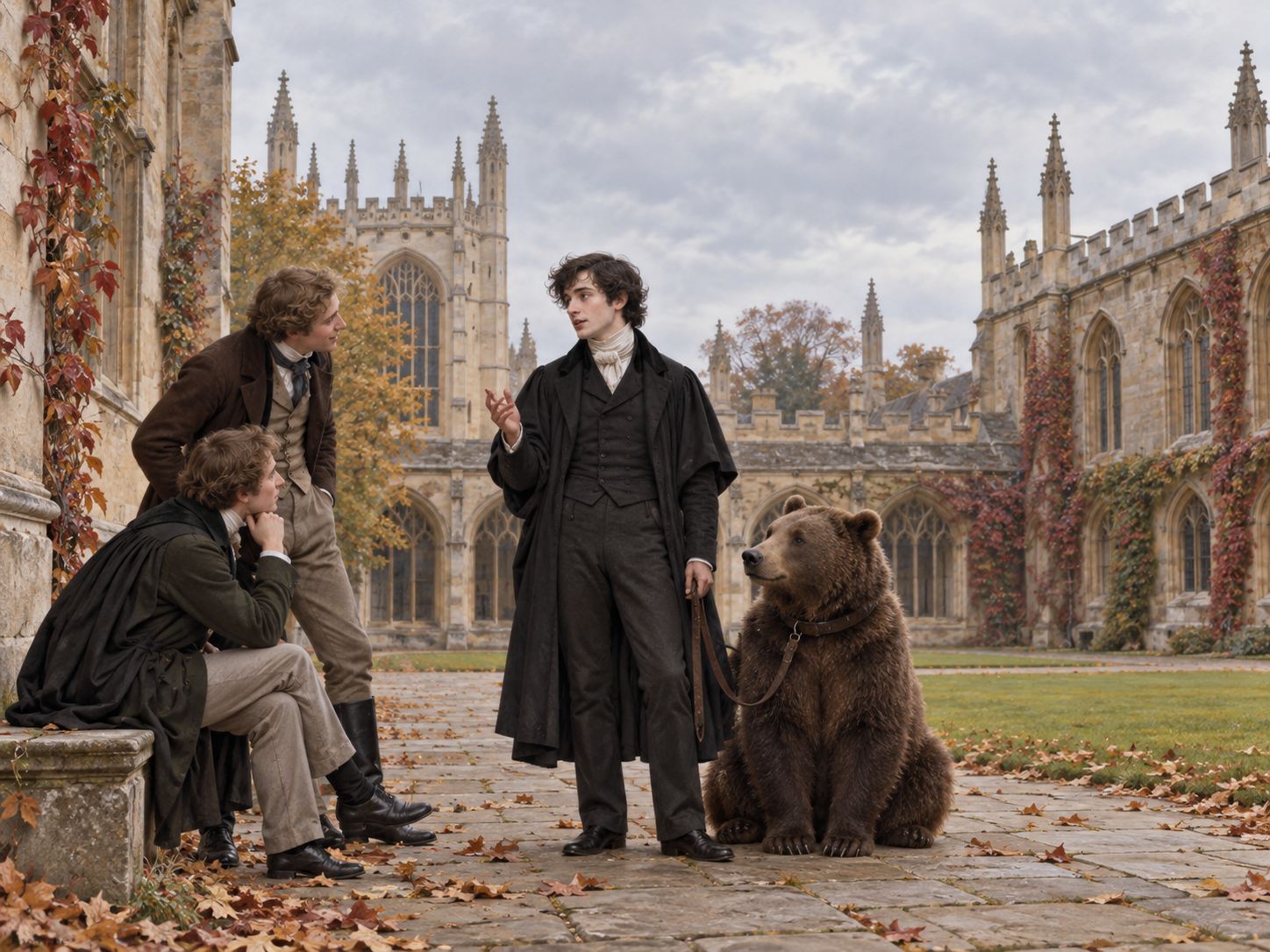
In 1807, Lord Byron wrote to Elizabeth Pigot that he had acquired a tame bear while a student at Trinity College, Cambridge. When people asked what he planned to do with it, he joked that the bear should sit for a fellowship. Trinity College preserves the letter’s wording and context, while later institutional accounts wisely leave some details of the bear’s daily life uncertain. That makes the episode a useful memory lesson as well as a funny historical story: keep the date, source, setting, and voice, but label later embellishments as tradition or interpretation. Family archives work the same way. A small note, letter, or recollection can preserve personality more vividly than an official record. What unusual visitor, family rule, or perfectly timed joke deserves to be saved in your own story?...
Start with the Sound: A Memoir Exercise for Recovering a Scene
September 14, 2026

Start with the Sound: A Memoir Exercise for Recovering a Scene

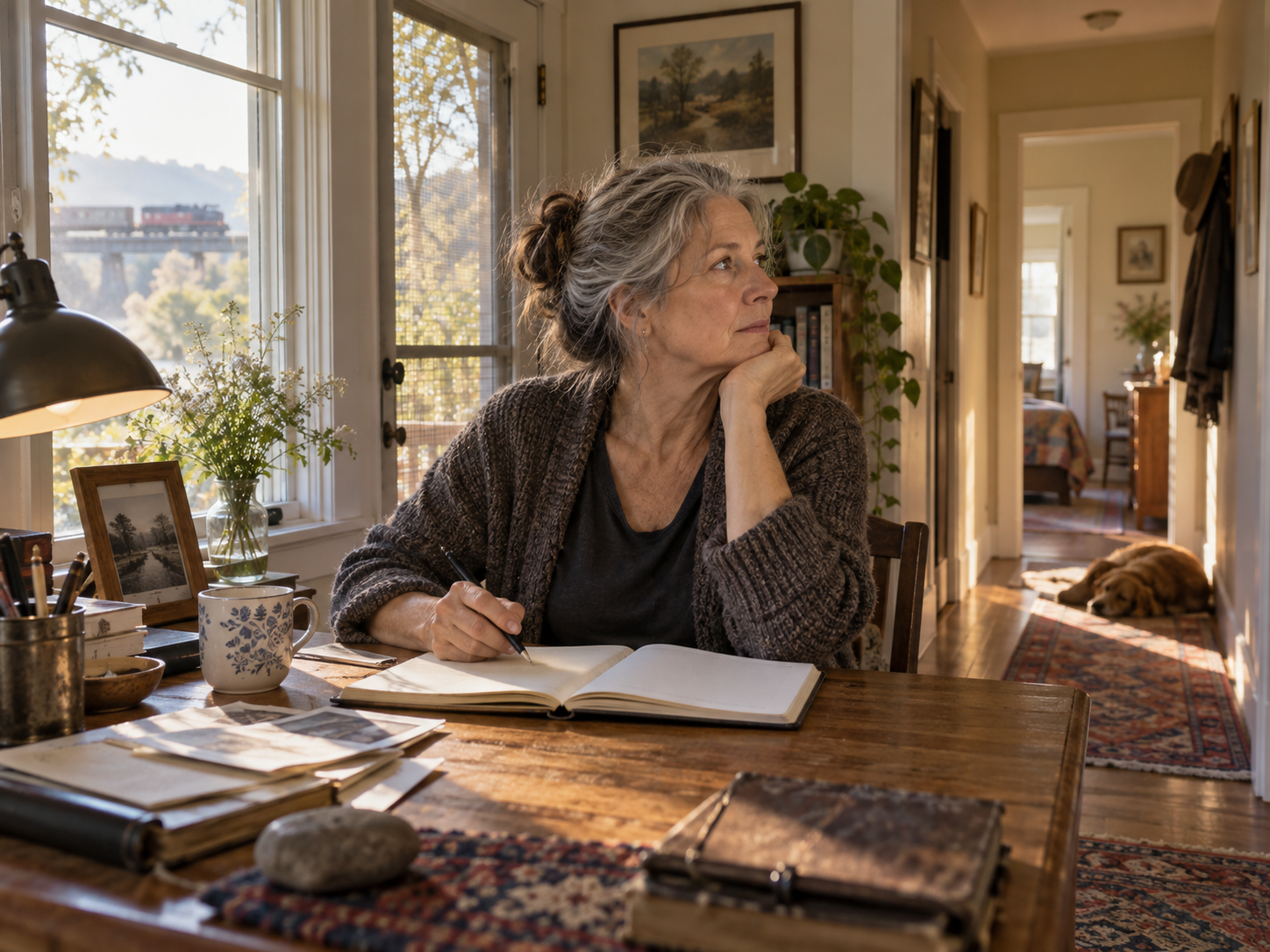
Sound can be a practical doorway into memoir. Instead of beginning with a complete chronology, choose one remembered noise—a screen door, train, kettle, school bell, or familiar voice—and build a single scene around it. This guide offers questions for locating the moment, separating what you remember from what you later learned, and handling remembered dialogue honestly. It also explains how to interview someone without coaching them, document consent, preserve a voice recording, and leave genuine uncertainty visible. The takeaway is simple: start with one sound, one place, one change, and one reflection. A small, carefully labelled scene can become the beginning of a larger life story....

Did You Know Frederick Douglass Paid for Reading Lessons with Bread?
September 12, 2026

Did You Know Frederick Douglass Paid for Reading Lessons with Bread?

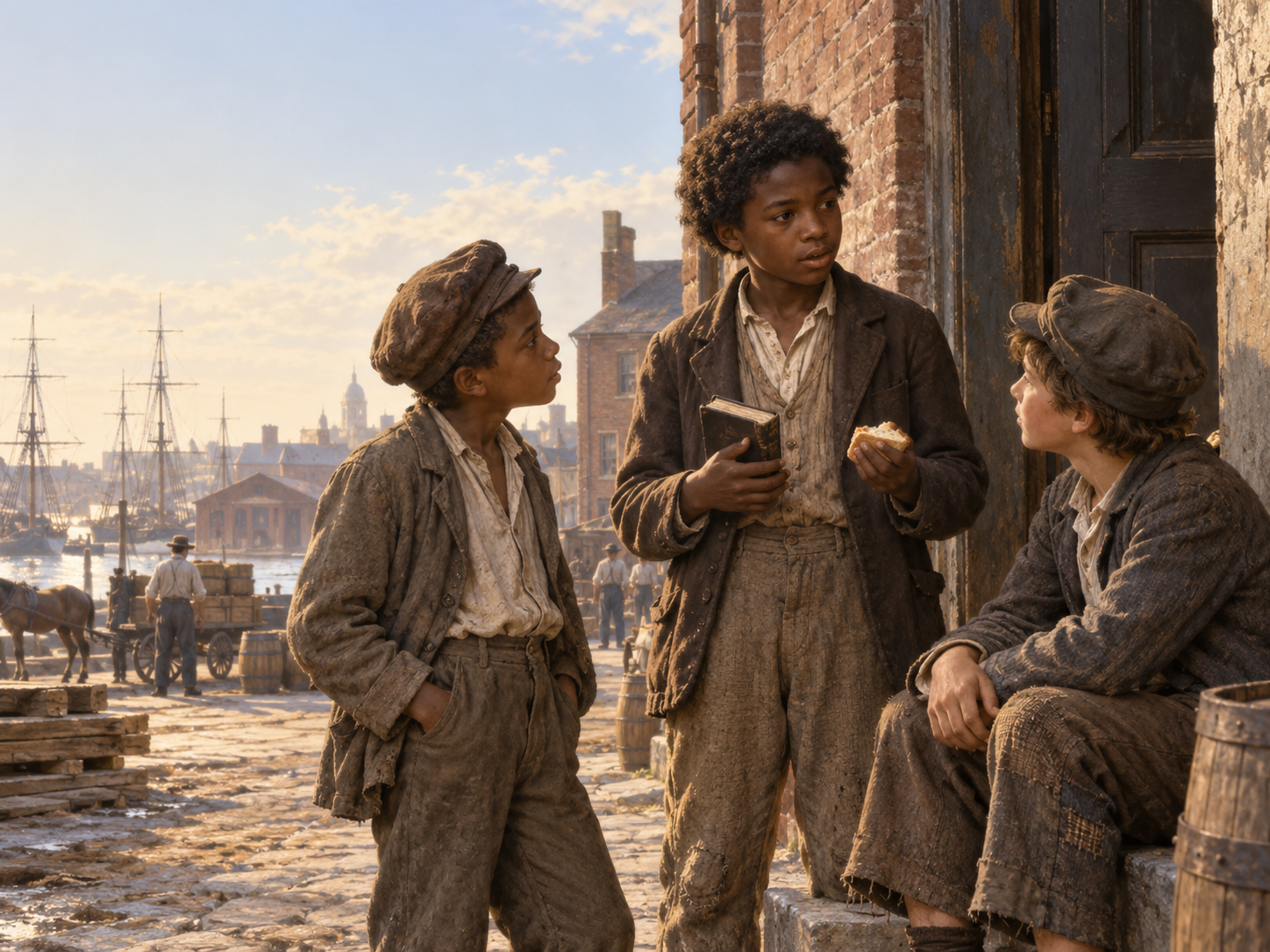
Frederick Douglass’s 1845 narrative records an ingenious way he continued learning to read as a boy in Baltimore: he carried bread from the Auld household and exchanged it with local boys for reading lessons. The Library of Congress and National Park Service confirm the surrounding history, including his early alphabet lessons, the interruption of formal instruction, and his later secret reading. The article treats the bread-for-lessons episode as Douglass’s own recollection, preserving the story without pretending every detail was independently witnessed. It also draws out a practical memory lesson: when recording a family achievement, remember the helpers, objects, places, and exchanges that made it possible. Readers are invited to document one skill learned informally and to distinguish memory, family report, and documentary evidence....

The Day Agatha Christie Stood Up on a Surfboard
September 01, 2026

The Day Agatha Christie Stood Up on a Surfboard

In 1922, long before Agatha Christie became fixed in the public imagination as a celebrated mystery writer, she learned to surf. Her letters, autobiography, and surviving photographs document early attempts in South Africa and days of practice at Waikiki. She remembered painful equipment, unsuitable conditions, misplaced confidence, and finally the moment she rode to shore standing up—a “complete triumph.” The evidence supports calling Christie one of the early recorded British women surfers, but not an unqualified claim that she was the world’s first Western woman to do it. Her story offers a practical lesson for preserving memories: record the awkward middle, the equipment, the warning, the helper, and the exact action that marked success. A precise, well-sourced learning story is more vivid than an unsupported superlative....

When Mark Twain Tried to Tame a Bicycle
August 28, 2026

When Mark Twain Tried to Tame a Bicycle

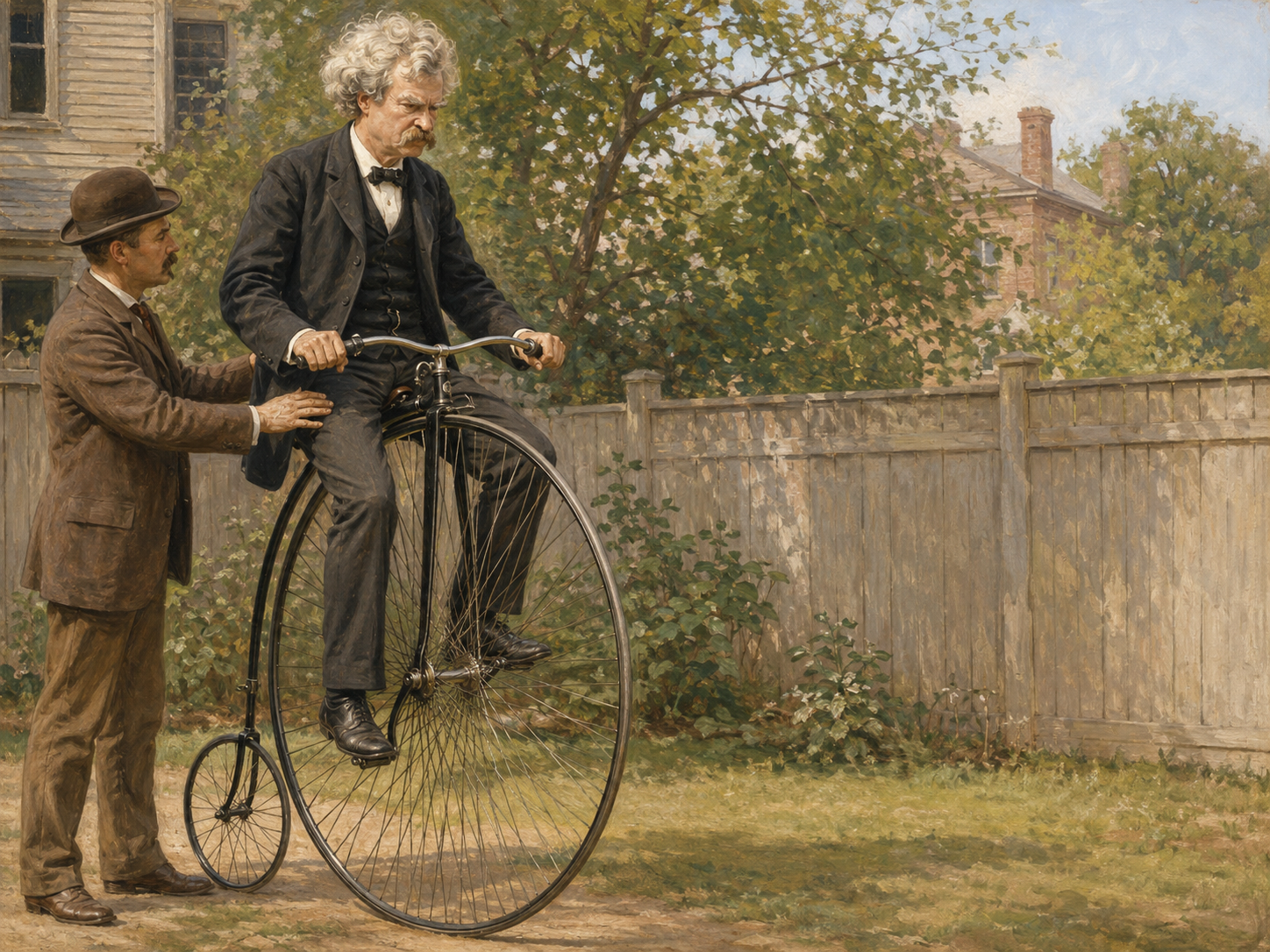
At 48, Mark Twain tried to master a high-wheel bicycle in Hartford. The attempt was real, but the crashes, commentary, and wounded dignity in “Taming the Bicycle” come through Twain’s carefully shaped comic voice. He makes himself—not his instructor or the children watching from the street—the centre of the joke. Beneath the humour is a useful lesson for preserving personal stories: a beginner’s struggle can reveal persistence, relationships, and character better than a polished success story. Record what looked easy before you tried it, the instruction your body resisted, the person who helped, the bystander who noticed, and the first small sign of progress. Keep the joke kind, identify remembered dialogue honestly, and let your present-day understanding join the scene....

Before Julia Child Became a Chef, She Worked for a Wartime Intelligence Agency
August 15, 2026

Before Julia Child Became a Chef, She Worked for a Wartime Intelligence Agency

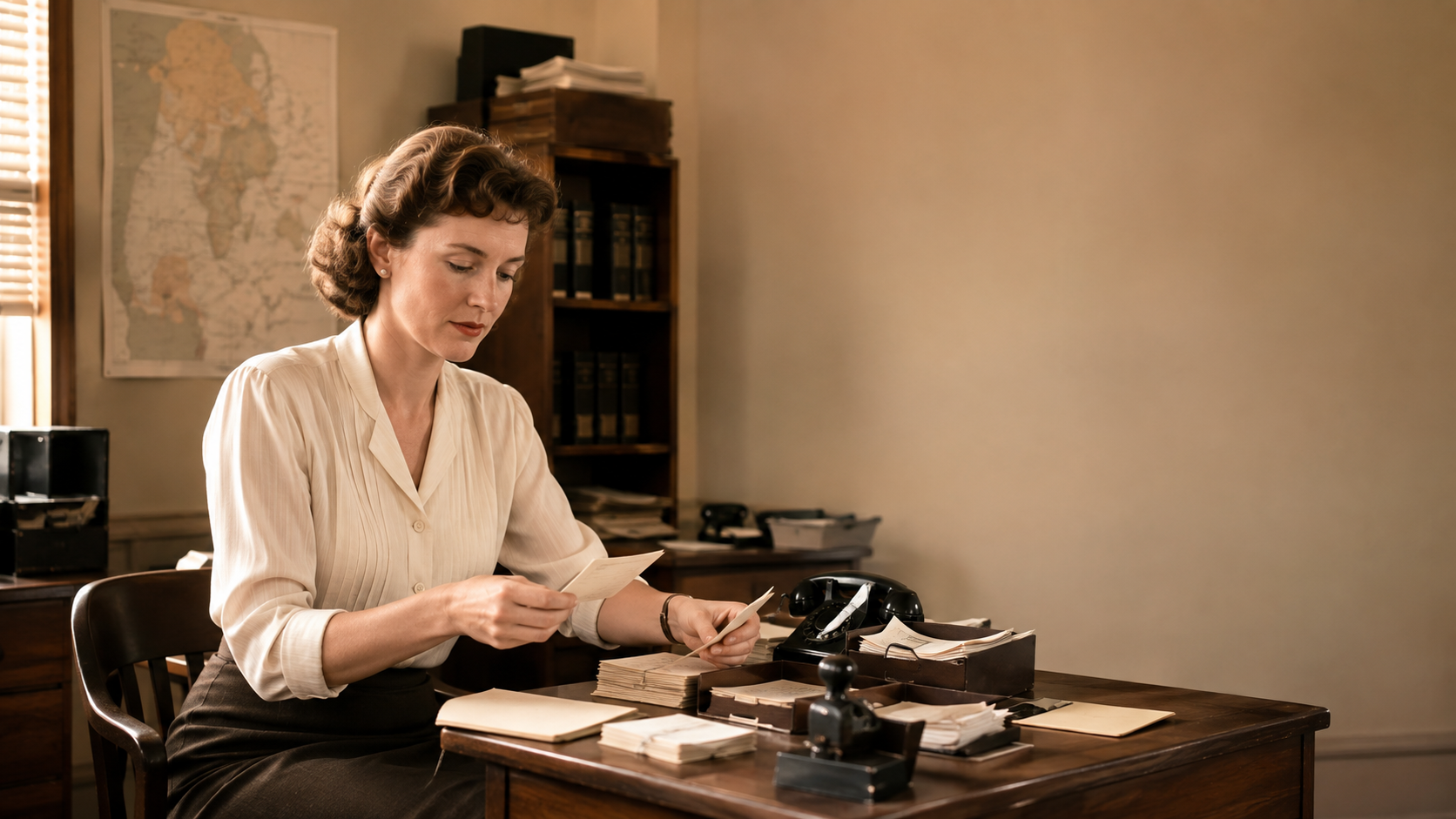
Before Julia Child became a celebrated cooking teacher, she served in the Office of Strategic Services, the wartime predecessor of the CIA. Archival records show that Julia McWilliams worked in Washington, Ceylon, and China, handling sensitive communications and supporting emergency rescue research. Her section was connected with experiments on shark repellent, although she did not single-handedly invent it. The deeper surprise is how that chapter redirected her life: overseas service introduced her to new cuisines and to Paul Child, her future husband. The story offers a useful prompt for anyone preserving memories. An old job title often hides unexpected tasks, influential colleagues, meaningful objects, and turning points. Ask what happened before the chapter everyone knows—and save the answer while it can still be told....

Need Help?
Hello! How can we assist you today?