Blog

Articles about memoir writing, family stories, and memory preservation.

Active topic: Memory Keeping
Did You Know Jane Austen Wrote a Very Biased History of England at Fifteen?
September 19, 2026

Did You Know Jane Austen Wrote a Very Biased History of England at Fifteen?

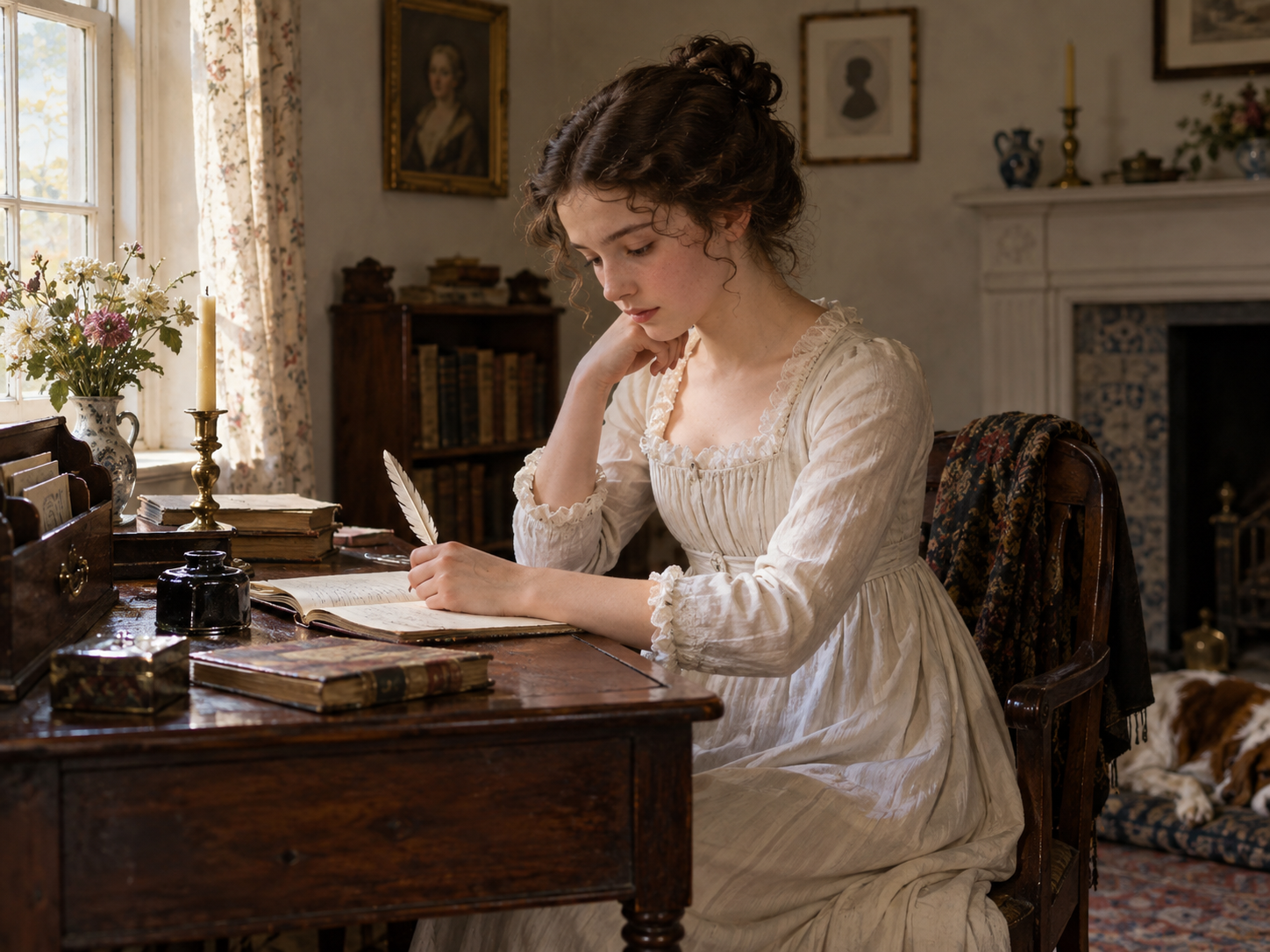
At fifteen, Jane Austen wrote a thirty-four-page *History of England* that openly called itself partial and prejudiced. The satirical manuscript defended Mary, Queen of Scots, attacked Elizabeth I, and made fun of the idea that history could always be perfectly impartial. Her sister Cassandra painted portraits of the monarchs, and Austen copied the work into a notebook given by her father. The volume survived through Austen family members before entering the British Library’s collection. This small, playful book preserves more than an early literary experiment: it records sisters collaborating, family jokes, a young writer testing her voice, and a private audience that understood the references. For family historians, the lesson is simple: save imperfect early writing, identify the people behind its jokes, and preserve the context that makes it meaningful....
Start with the Sound: A Memoir Exercise for Recovering a Scene
September 14, 2026

Start with the Sound: A Memoir Exercise for Recovering a Scene

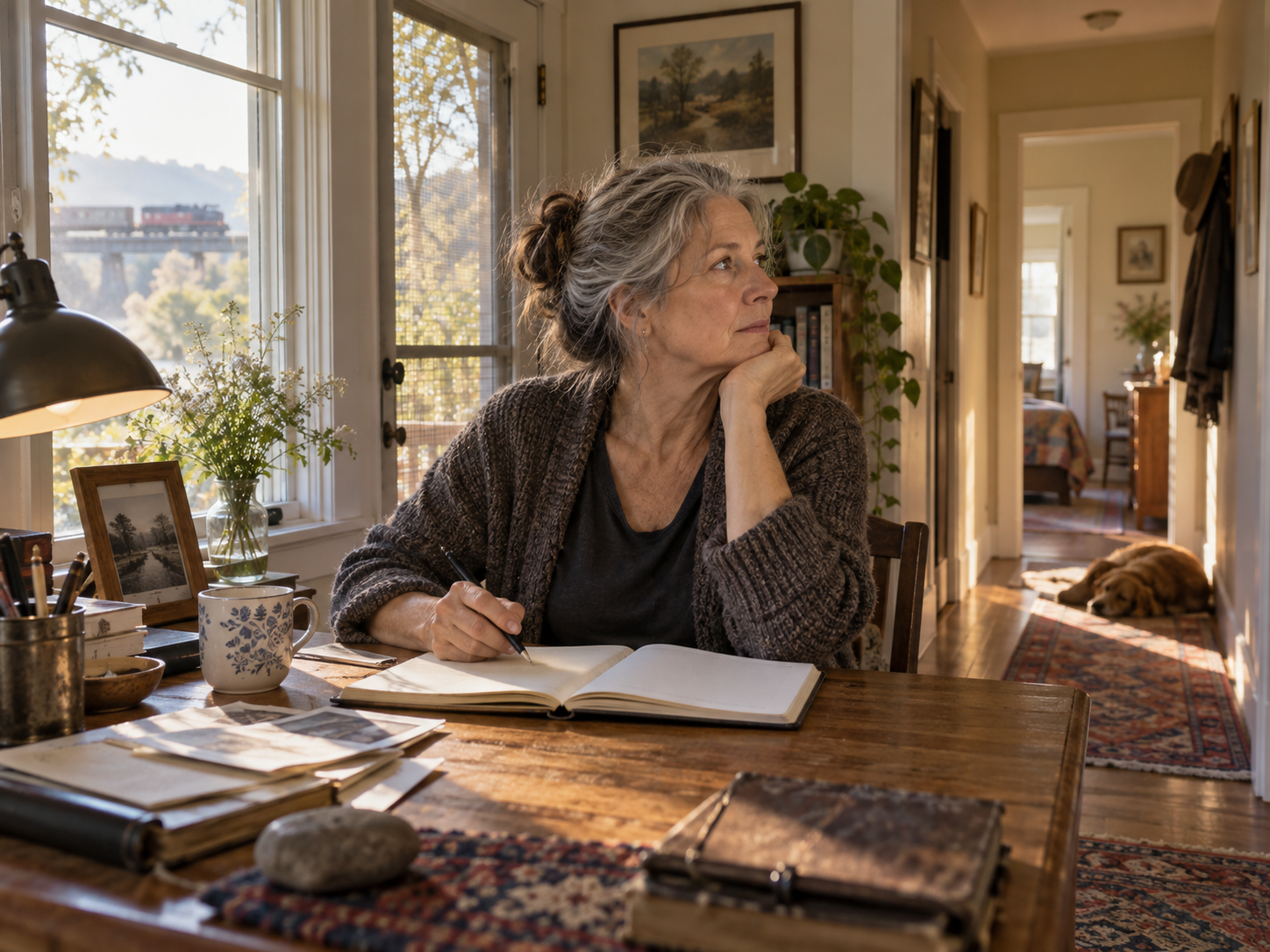
Sound can be a practical doorway into memoir. Instead of beginning with a complete chronology, choose one remembered noise—a screen door, train, kettle, school bell, or familiar voice—and build a single scene around it. This guide offers questions for locating the moment, separating what you remember from what you later learned, and handling remembered dialogue honestly. It also explains how to interview someone without coaching them, document consent, preserve a voice recording, and leave genuine uncertainty visible. The takeaway is simple: start with one sound, one place, one change, and one reflection. A small, carefully labelled scene can become the beginning of a larger life story....

The Christmas Cracker Began with a Sweet, a Motto, and a Little Surprise
September 13, 2026

The Christmas Cracker Began with a Sweet, a Motto, and a Little Surprise

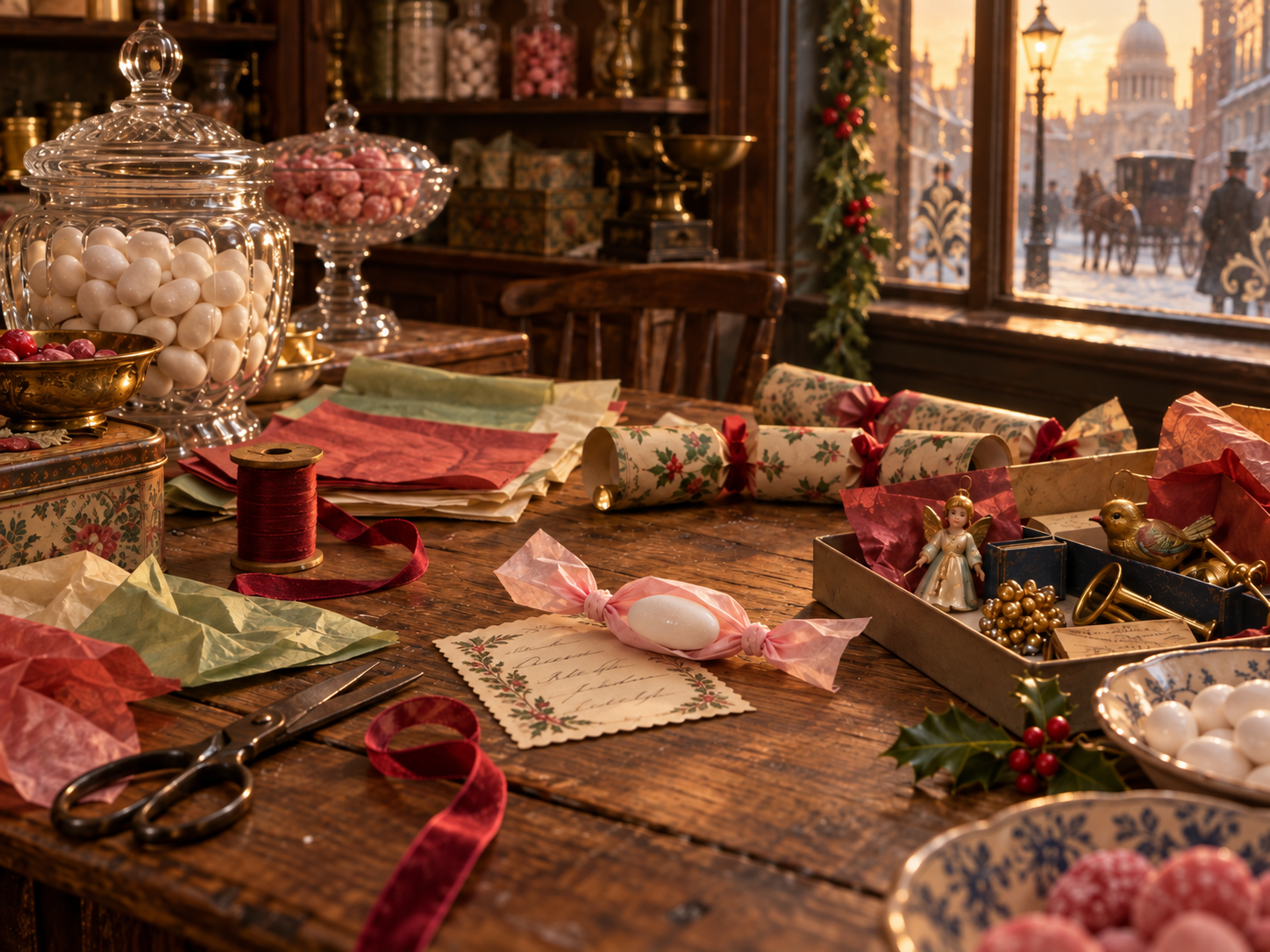
The Christmas cracker began in nineteenth-century London as a confectioner’s adaptation of the French bon bon: a sugared almond wrapped in tissue paper. Tom Smith added a love motto, patented a pulling device, and eventually developed the familiar snap. His son Walter later added paper hats and sourced small gifts and novelties. Museum archives show how cracker designs followed changing fashions, while surviving examples reveal both the charm and the blind spots of their era. The family lesson is simple: ordinary celebration objects can carry stories about work, technology, taste, and relationships. Photograph an old cracker, record who remembers it, and preserve uncertainties honestly. The paper may disappear after one gathering, but the ritual—and the people attached to it—can remain....

Did You Know Frederick Douglass Paid for Reading Lessons with Bread?
September 12, 2026

Did You Know Frederick Douglass Paid for Reading Lessons with Bread?

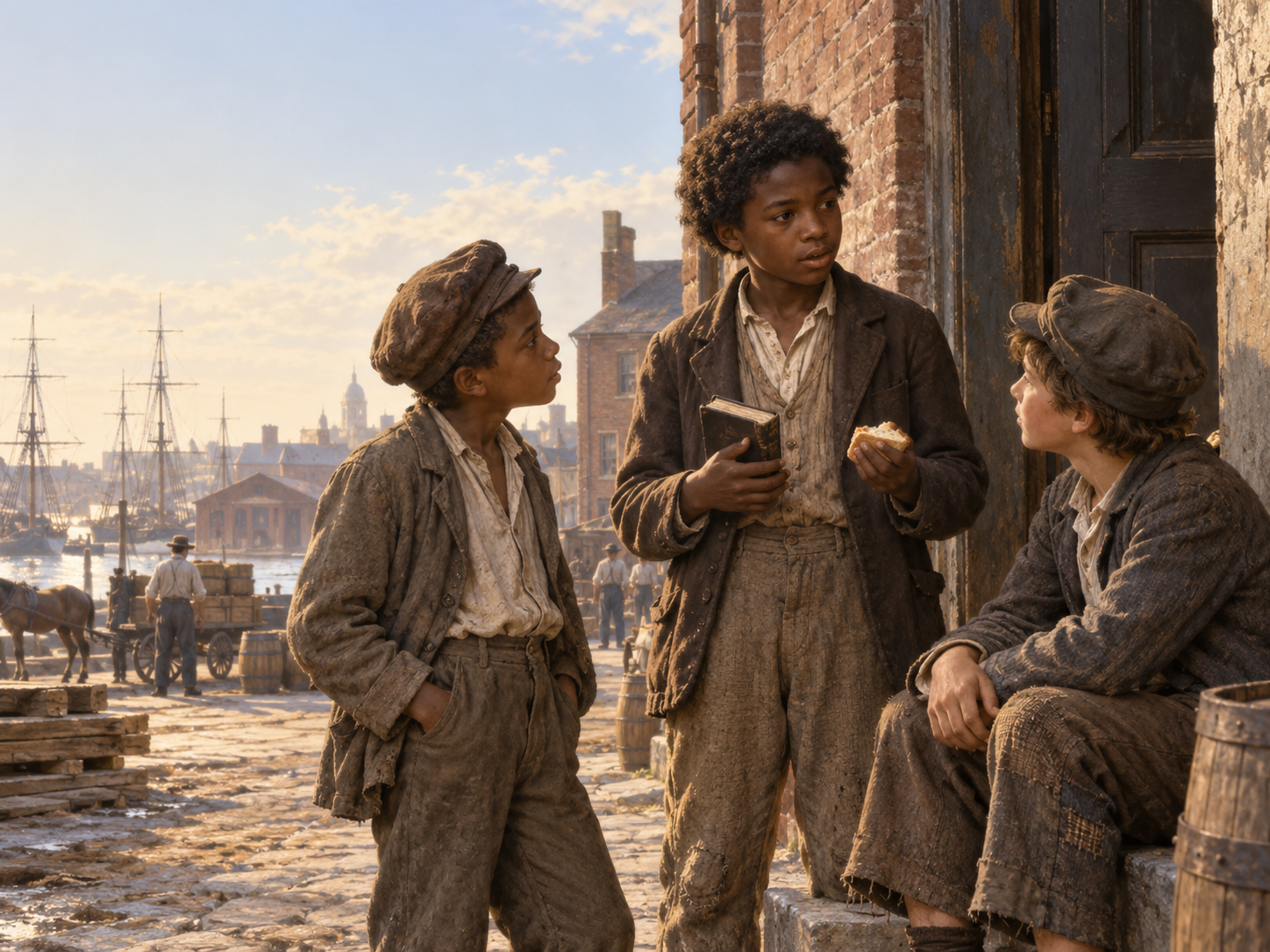
Frederick Douglass’s 1845 narrative records an ingenious way he continued learning to read as a boy in Baltimore: he carried bread from the Auld household and exchanged it with local boys for reading lessons. The Library of Congress and National Park Service confirm the surrounding history, including his early alphabet lessons, the interruption of formal instruction, and his later secret reading. The article treats the bread-for-lessons episode as Douglass’s own recollection, preserving the story without pretending every detail was independently witnessed. It also draws out a practical memory lesson: when recording a family achievement, remember the helpers, objects, places, and exchanges that made it possible. Readers are invited to document one skill learned informally and to distinguish memory, family report, and documentary evidence....

The Words Our Families Make: Preserve a Living Language Archive
September 10, 2026

The Words Our Families Make: Preserve a Living Language Archive

A family’s history lives not only in dates and photographs, but also in its words: nicknames, sayings, pronunciations, and names for ordinary things. This guide offers a short, two-generation conversation for preserving those details as sound and story. Choose five to ten words, ask permission before recording, and let the relative decide what remains private and who may hear it. Capture each word naturally and slowly, then add the meaning, people, places, and memories attached to it. Invite the younger participant to contribute words and interpretations too, so the archive has more than one perspective. Keep the original audio, add clear context, and review the record together. A small language archive can become a warm, continuing family project....

John Adams, Cupid’s Grove, and the Memory of a Very Old Walk
September 08, 2026

John Adams, Cupid’s Grove, and the Memory of a Very Old Walk

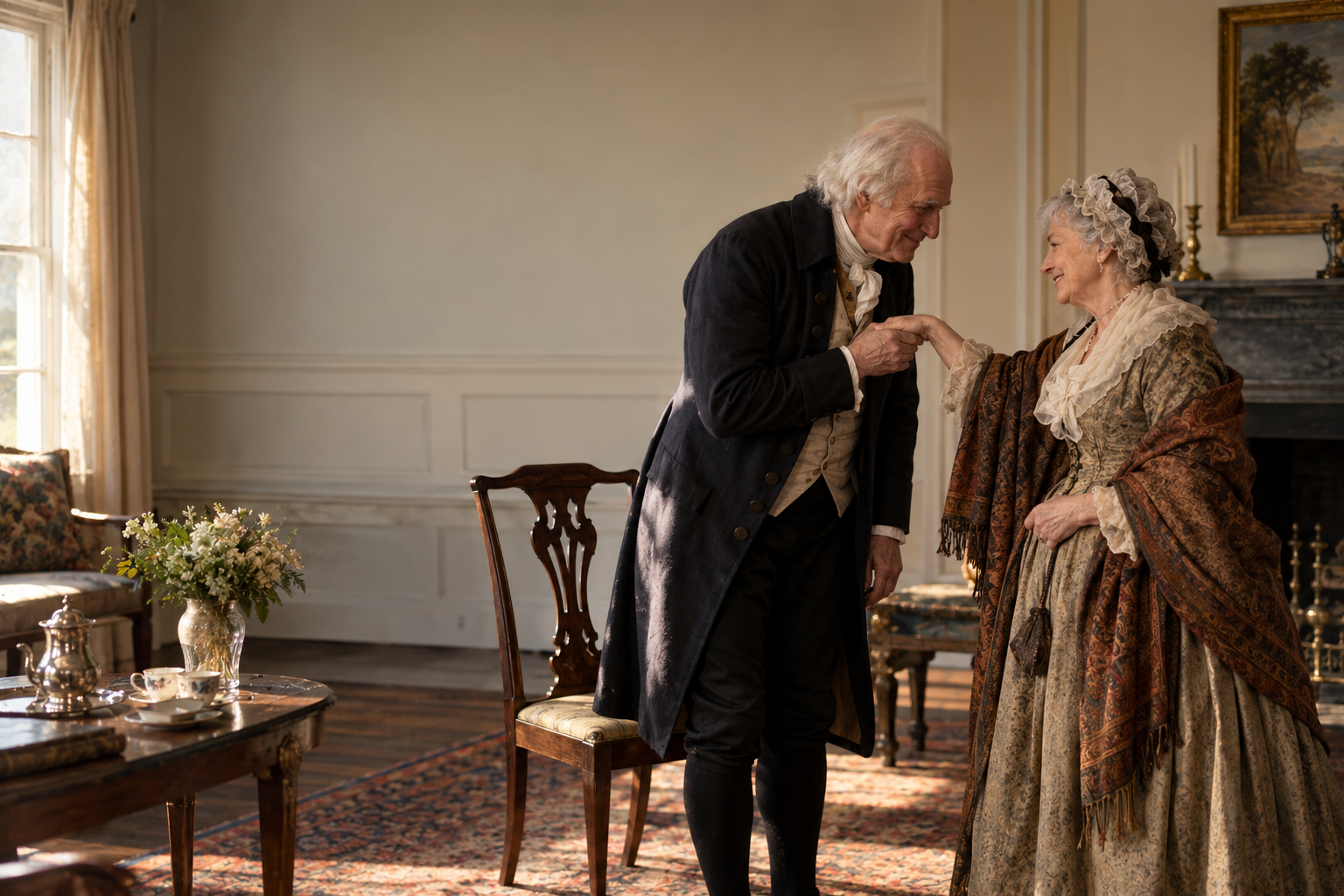
In the early 1820s, nearly ninety-year-old John Adams reportedly welcomed Hannah Storer, once the young woman he had called “Orlinda,” with a teasing invitation to walk again in Cupid’s Grove. Her reply recalled that it would not be their first walk there. The Adams Papers preserve this charming exchange while carefully identifying its status: it comes from Josiah Quincy’s later reminiscence, not a contemporaneous diary entry. That distinction offers a practical lesson for family historians. A story can remain warm and memorable while clearly separating witnessed facts, later recollection, and uncertainty. When recording a family anecdote, save the place, people, remembered words, source, and approximate date. The small exchange may reveal more than a formal milestone: affection, humour, privacy, and the meaning a familiar place gathers across a lifetime....

The Baseball Memoir That Kept Its Uncomfortable Truths
September 04, 2026

The Baseball Memoir That Kept Its Uncomfortable Truths

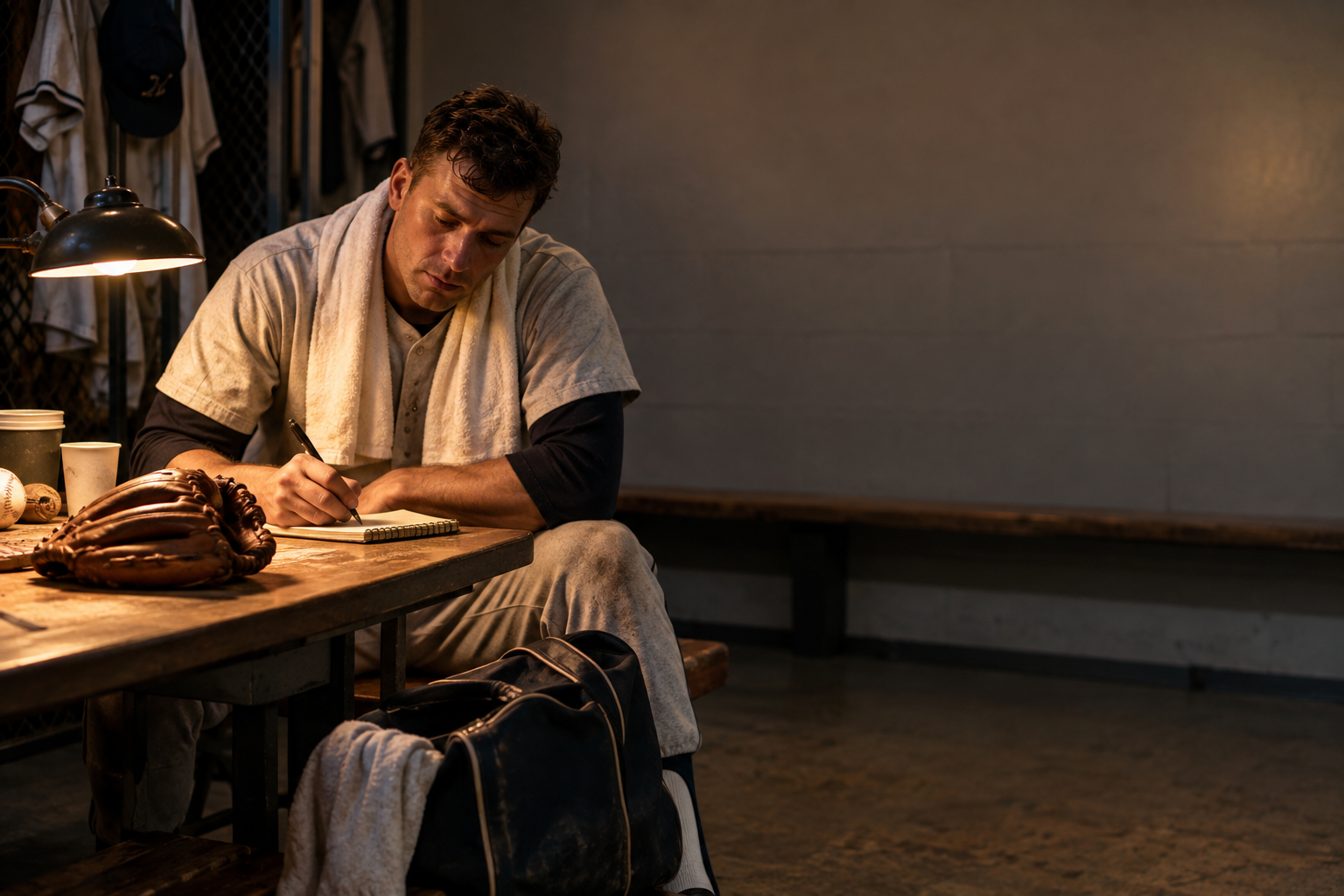
Jim Bouton’s *Ball Four* began with a simple, almost accidental resource: notes he was already keeping during the 1969 baseball season. Those notes became a candid memoir about the life surrounding professional games, including the conversations, habits, tensions, and personalities an official scorecard could never capture. The Library of Congress also preserves a revealing moment from the editing process: when an unflattering passage was marked for removal, Bouton wrote “Stet,” asking that it remain. His story offers a practical lesson for family memoirists. Record ordinary details before trying to write beautifully, distinguish direct memory from later interpretation, and do not erase every awkward moment simply because it is uncomfortable. With care for privacy and accuracy, the margins of a life can become its most memorable record....

Cook It Once, Keep It Longer: Record a Family Recipe Together
September 03, 2026

Cook It Once, Keep It Longer: Record a Family Recipe Together

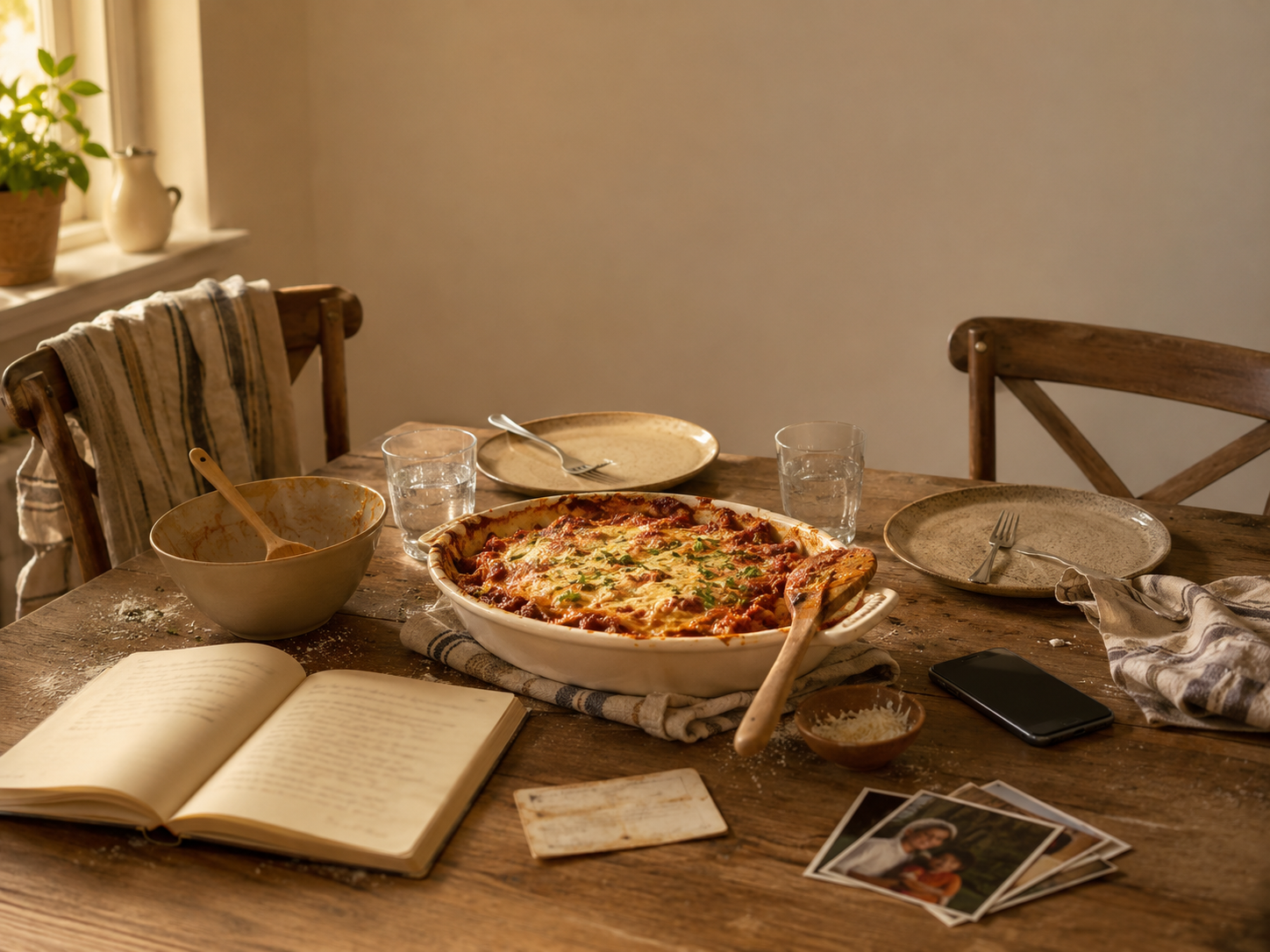
A family recipe is more than ingredients and temperatures. It also lives in a cook’s movements, sensory cues, substitutions, memories, and relationships. This practical guide shows two generations how to preserve one dish together without turning the occasion into a demanding interview. Ask permission, record one comfortable cooking session, note what the mixture should look or feel like, and clarify quantities afterward. Add the story of who made the dish, when it appeared, how it changed, and which details remain uncertain. Keep alternate family versions rather than declaring one the winner. The finished record can combine numbered steps, photographs, a short narrative, and the original audio or video. A Memory Share subscription becomes especially meaningful when it comes with the gift of time: an offer to cook, listen, record, and review the story together....

Build a Reading-Memory Journal, One Book at a Time
September 02, 2026

Build a Reading-Memory Journal, One Book at a Time

A remembered book can preserve far more than a plot. It may carry the room where you read, the person who lent it, the life question you were facing, and the ways your understanding later changed. This article adapts the old practice of keeping a commonplace book into a simple reading-memory journal. Choose one book with a life attached, then record how it reached you, who you were at the time, where you read, what stayed with you, what you see differently now, and which related memory should come next. Historical collections at Harvard, the British Library, and the Library of Congress show how readers’ selections and notes can reveal personal interests and habits of thought. The practical goal is modest: one book, one page, and one honest glimpse of the reader you once were....

Need Help?
Hello! How can we assist you today?