Blog

Articles about memoir writing, family stories, and memory preservation.

The Flight Eleanor Roosevelt Took at Tuskegee
September 29, 2026

The Flight Eleanor Roosevelt Took at Tuskegee

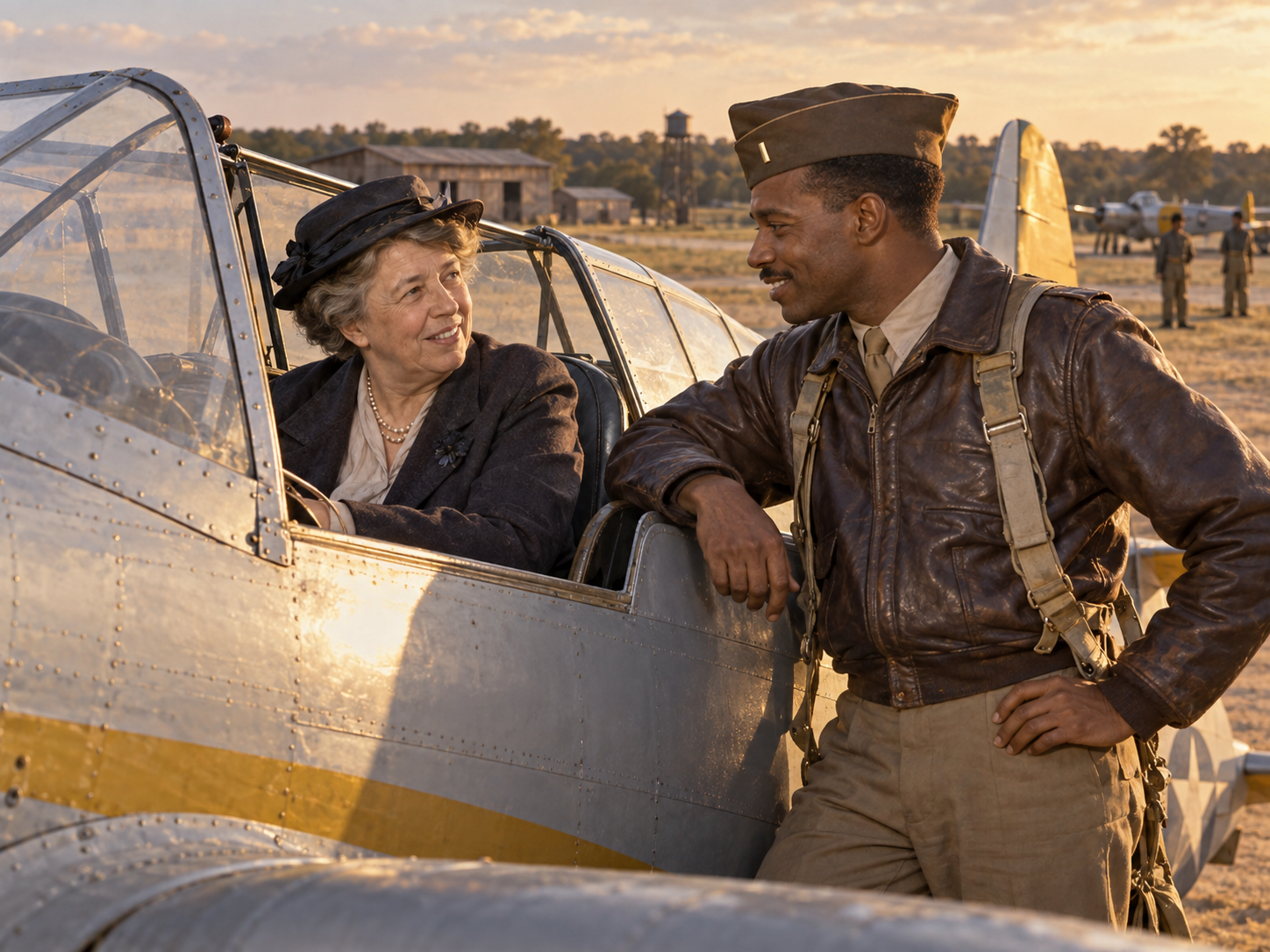
Eleanor Roosevelt’s 1941 visit to Tuskegee Institute included a flight with Charles A. Anderson, the school’s chief civilian flight instructor. Roosevelt’s own *My Day* column records the simple pleasure of seeing the Alabama countryside from a tiny training plane, while federal archival records preserve a photograph of her with Anderson after the flight. The episode matters because it joins a personal experience to a public purpose: Roosevelt chose to be photographed with a Black pilot at a time when racist assumptions challenged Black Americans’ ability to fly. The article also corrects the familiar oversimplification that one flight created the Tuskegee Airmen. For family storytellers, the lesson is practical: preserve the image, names, date, place, firsthand account, and uncertainties together. Context turns a memorable photograph into a trustworthy life story....
Write the Sound of a Place Into Your Memoir
September 28, 2026

Write the Sound of a Place Into Your Memoir

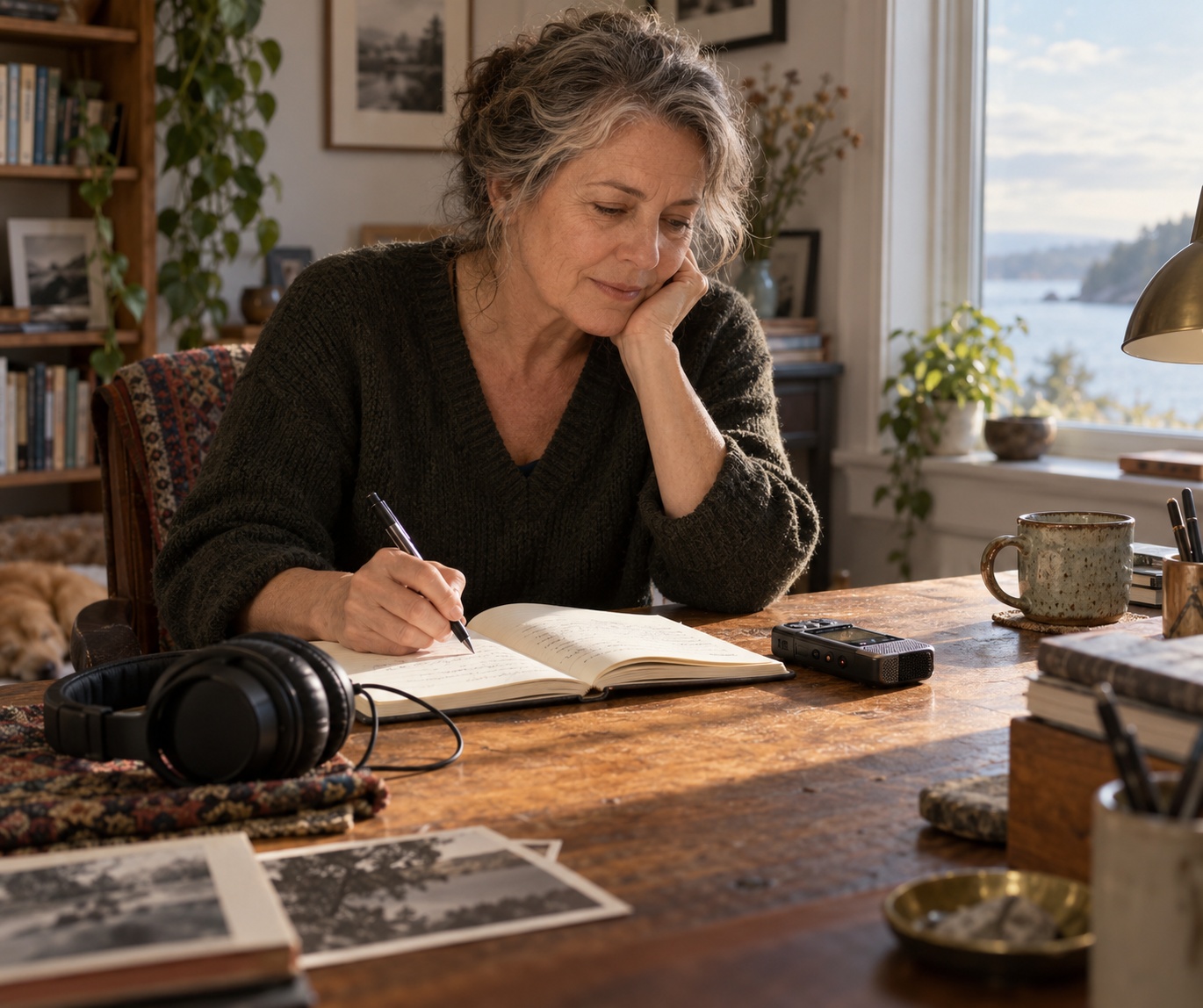
Sound can be a practical doorway into memoir when visual memories feel incomplete. This guide shows writers how to choose one bounded place, identify a remembered sound, and build a four-part sound inventory that separates direct recollection from later knowledge and uncertainty. A five-beat sequence helps turn scattered impressions into a scene, while careful treatment of remembered dialogue prevents invented precision. The article also explains how to invite a relative’s version through open questions, obtain consent before recording, label and back up an audio file, and protect the original. The central exercise is simple: choose one place, list five sounds, describe what followed the sound you remember best, and add present-day reflection only after the scene is drafted....

Did You Know John F. Kennedy Left Doodles in the Archives?
September 26, 2026

Did You Know John F. Kennedy Left Doodles in the Archives?

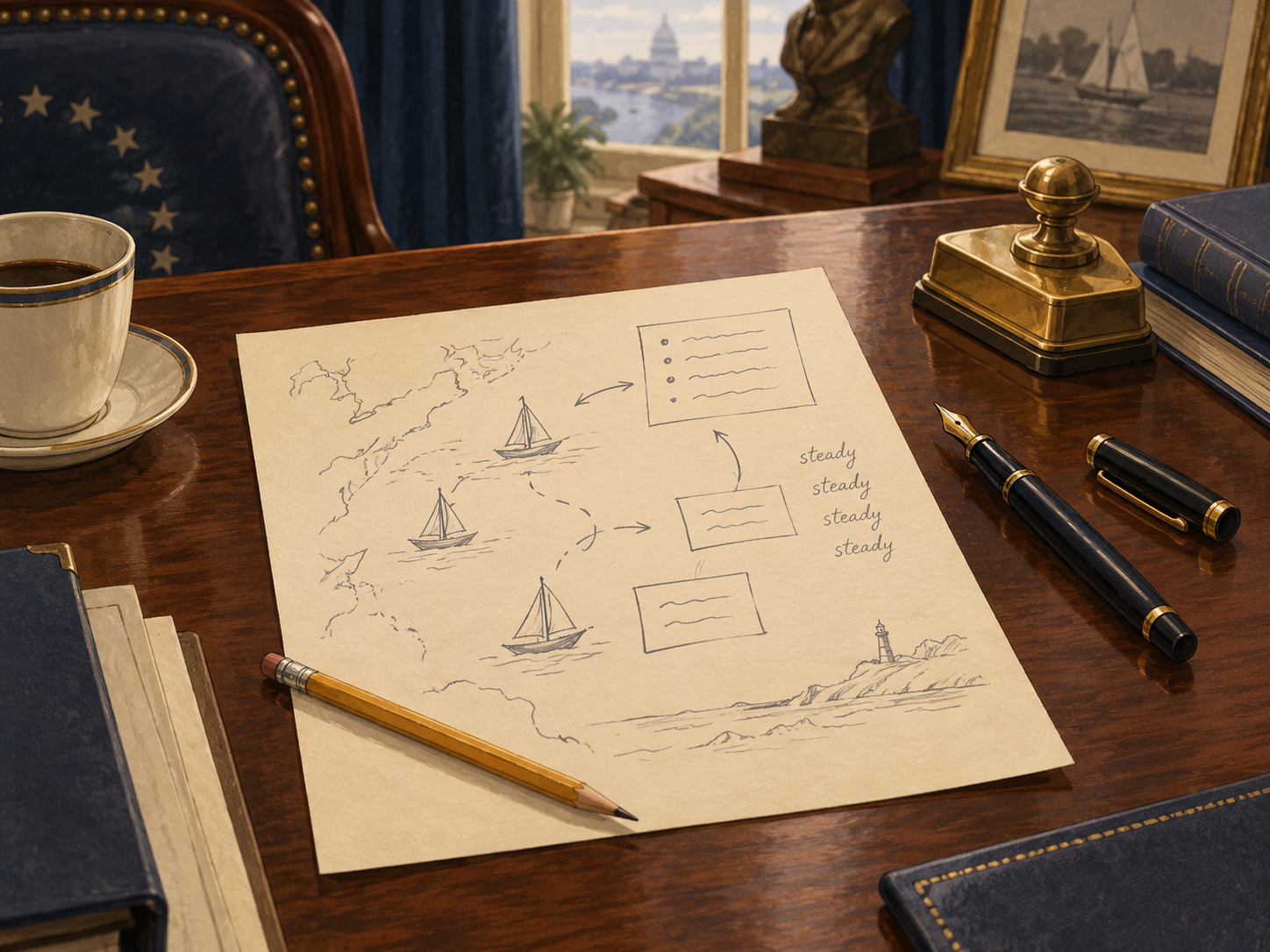
The John F. Kennedy Presidential Library preserves more than one hundred folders of Kennedy’s doodles: boxes, arrows, sailboats, repeated words, and other small marks made alongside the official record. One page from a 1962 cabinet meeting contains the word “cheese” twice. The meeting agenda explains some nearby words, but the archivist says the reason for “cheese” may never be known. That careful uncertainty is the real lesson. When preserving a family note, recipe margin, photograph, or scrap of paper, record what the item shows, add the context that can be supported, and label interpretations as interpretations. An unanswered question can be as valuable as an answer because it invites another relative to contribute. Small traces, honestly described, can make a life more recognizable across generations....

Before the Bus: The Childhood Story Rosa Parks Wrote Down
September 25, 2026

Before the Bus: The Childhood Story Rosa Parks Wrote Down

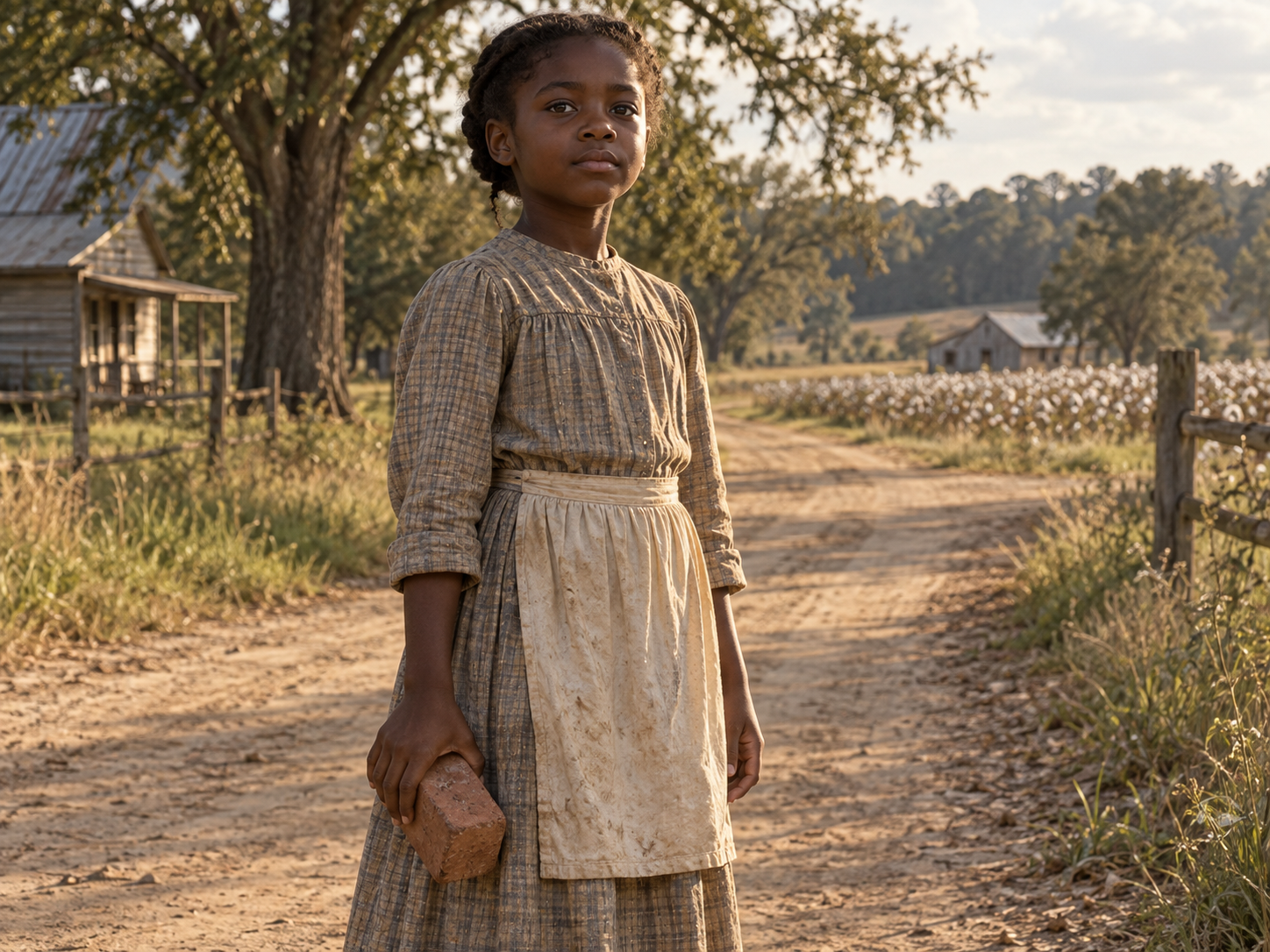
In a later autobiographical manuscript, Rosa Parks recalled a childhood encounter with a white boy who threatened to hit her. She wrote that she picked up a brick and dared him to try; he backed away. The Library of Congress preserves this account and identifies it as a retrospective manuscript, not a contemporaneous report. That distinction makes the story more useful, not less: it shows how a person can preserve an early memory while acknowledging the limits of what later recollection can prove. Parks also connected the moment to her grandfather’s teaching not to accept mistreatment. For family memoirists, the lesson is practical: save the small action, the object, the influential relative, and the source’s date. A vivid scene becomes trustworthy when we distinguish what was witnessed, remembered, inherited, and still uncertain....

Robert Louis Stevenson and the Donkey Who Would Not Hurry
September 22, 2026

Robert Louis Stevenson and the Donkey Who Would Not Hurry

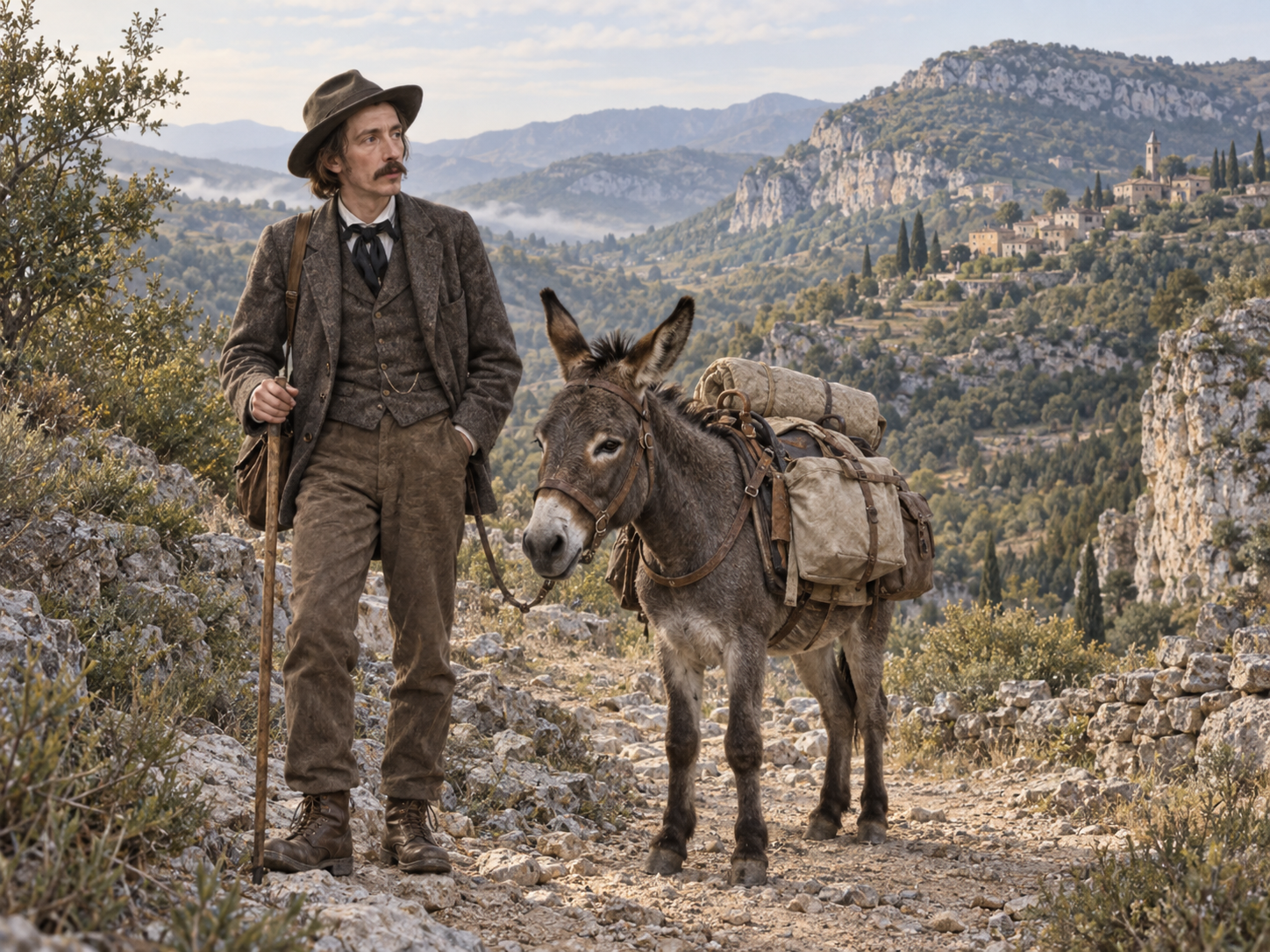
Robert Louis Stevenson’s *Travels with a Donkey in the Cévennes* preserves a wonderfully human travel problem: his small donkey, Modestine, would not match his preferred pace. Stevenson’s own 1879 narrative records the slow progress, repeated stopping, practical frustrations, and eventual affection that grew during their twelve-day journey. When Modestine had to be sold, the companion he had treated as an obstacle suddenly became the part of the trip he missed. The story offers a useful memoir lesson. Keep the inconvenience, the repeated behaviour, and the emotional reversal. Identify what comes from a record and what comes from later interpretation, and do not turn approximate dialogue into a quotation. Often the detail that complicated a family plan is the detail future readers most want to remember....

Lord Byron’s Tame Bear and the Story a Letter Saved
September 20, 2026

Lord Byron’s Tame Bear and the Story a Letter Saved

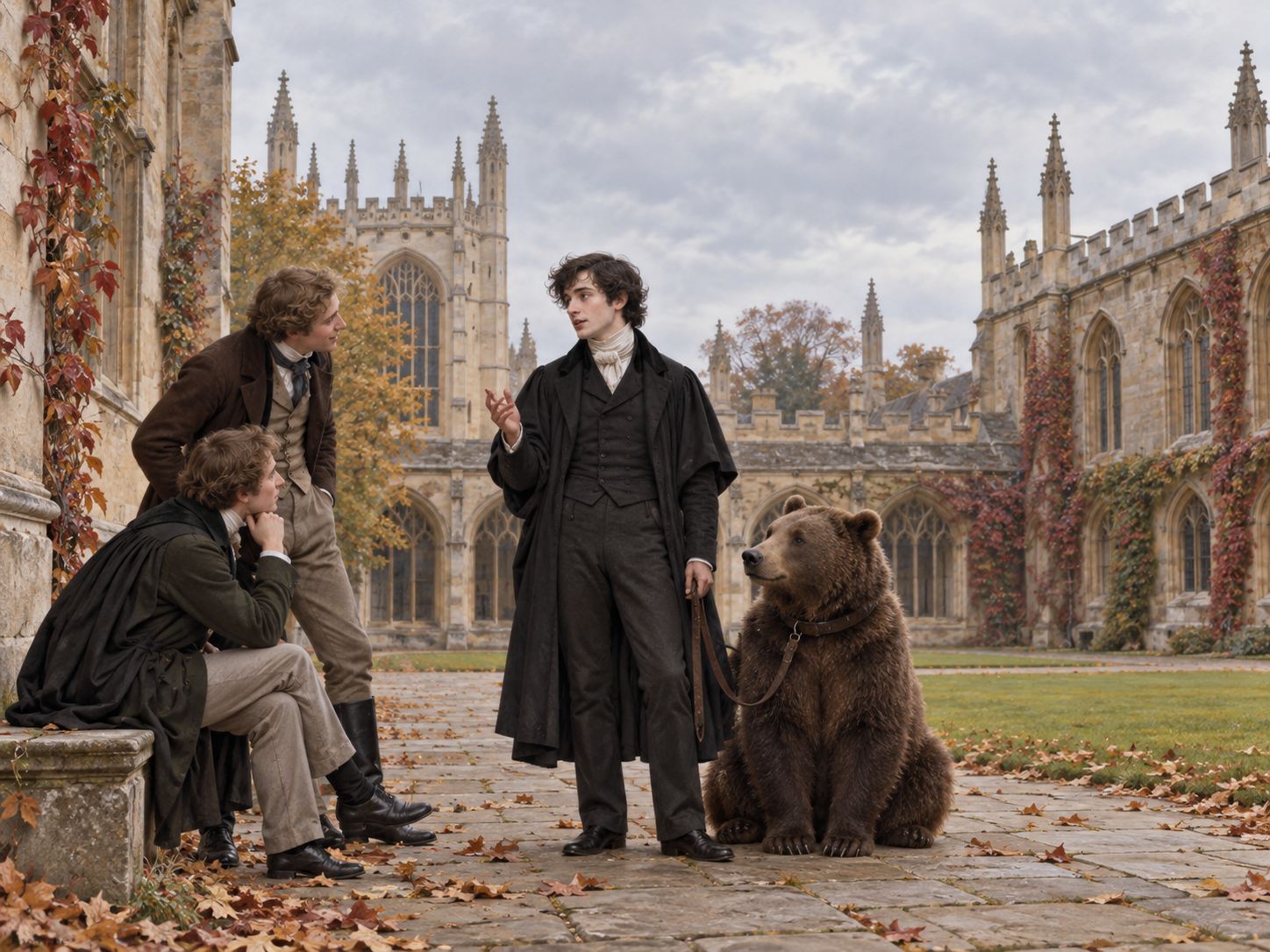
In 1807, Lord Byron wrote to Elizabeth Pigot that he had acquired a tame bear while a student at Trinity College, Cambridge. When people asked what he planned to do with it, he joked that the bear should sit for a fellowship. Trinity College preserves the letter’s wording and context, while later institutional accounts wisely leave some details of the bear’s daily life uncertain. That makes the episode a useful memory lesson as well as a funny historical story: keep the date, source, setting, and voice, but label later embellishments as tradition or interpretation. Family archives work the same way. A small note, letter, or recollection can preserve personality more vividly than an official record. What unusual visitor, family rule, or perfectly timed joke deserves to be saved in your own story?...

Did You Know Jane Austen Wrote a Very Biased History of England at Fifteen?
September 19, 2026

Did You Know Jane Austen Wrote a Very Biased History of England at Fifteen?

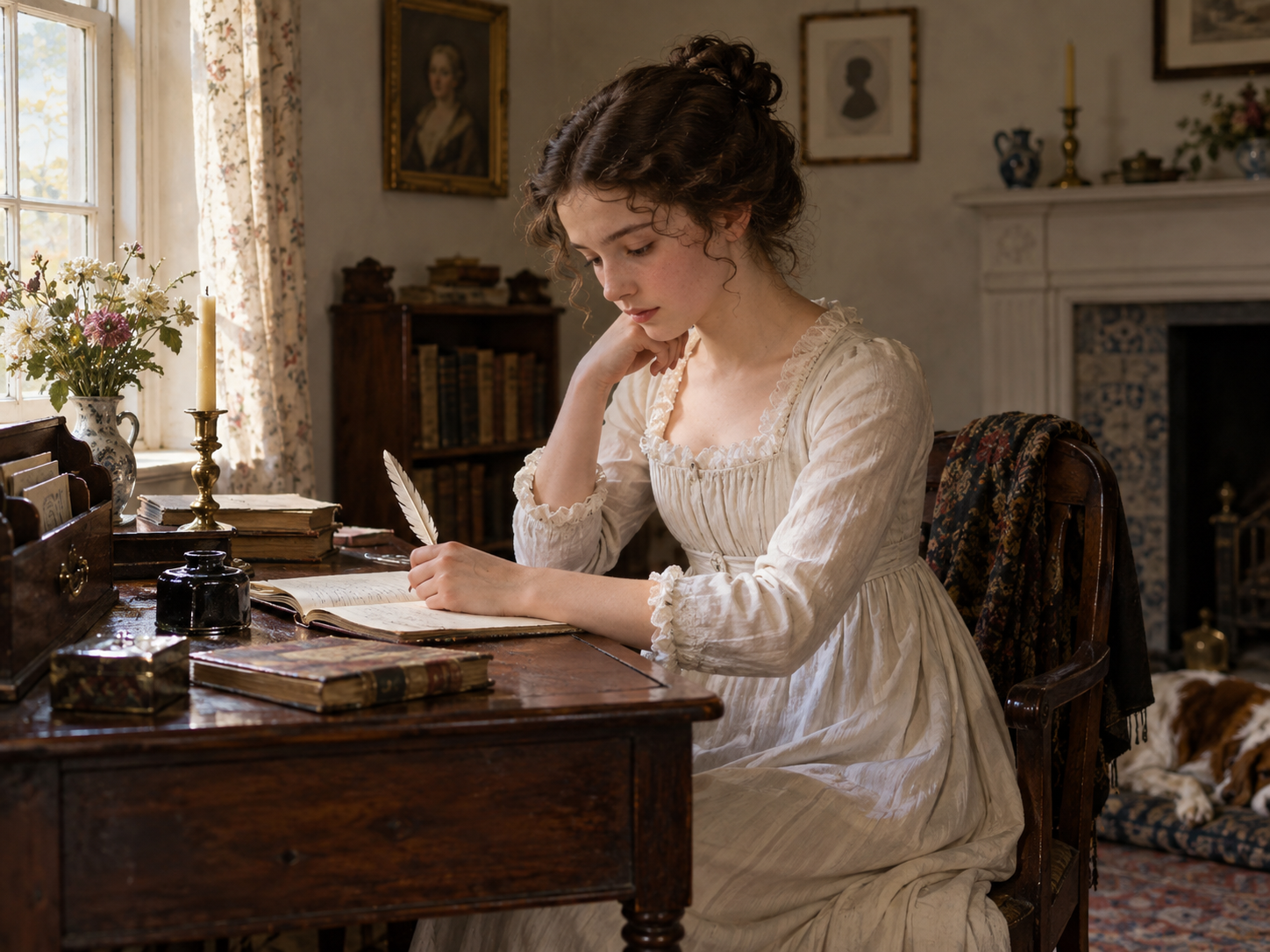
At fifteen, Jane Austen wrote a thirty-four-page *History of England* that openly called itself partial and prejudiced. The satirical manuscript defended Mary, Queen of Scots, attacked Elizabeth I, and made fun of the idea that history could always be perfectly impartial. Her sister Cassandra painted portraits of the monarchs, and Austen copied the work into a notebook given by her father. The volume survived through Austen family members before entering the British Library’s collection. This small, playful book preserves more than an early literary experiment: it records sisters collaborating, family jokes, a young writer testing her voice, and a private audience that understood the references. For family historians, the lesson is simple: save imperfect early writing, identify the people behind its jokes, and preserve the context that makes it meaningful....

Did You Know Frederick Douglass Paid for Reading Lessons with Bread?
September 12, 2026

Did You Know Frederick Douglass Paid for Reading Lessons with Bread?

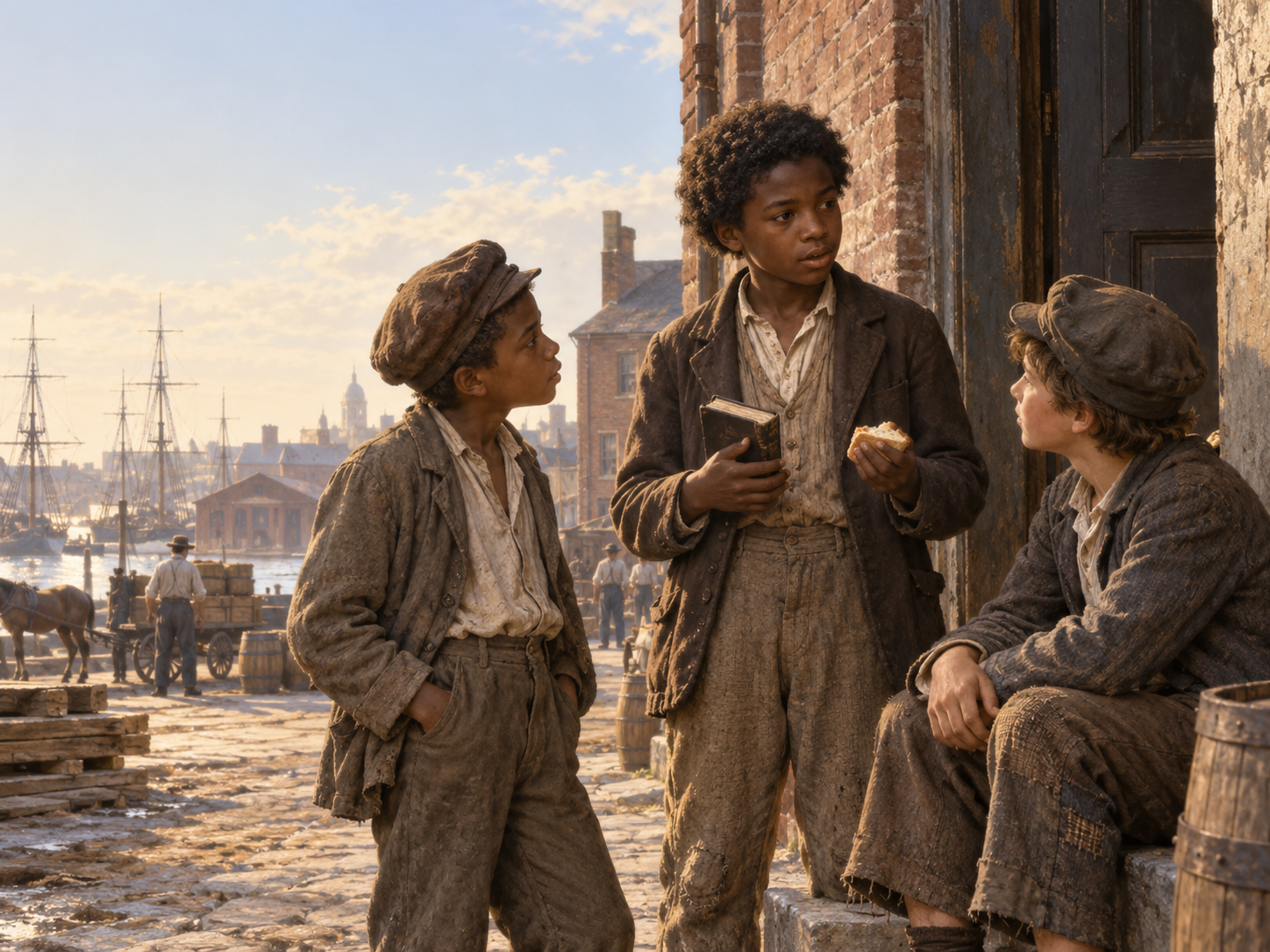
Frederick Douglass’s 1845 narrative records an ingenious way he continued learning to read as a boy in Baltimore: he carried bread from the Auld household and exchanged it with local boys for reading lessons. The Library of Congress and National Park Service confirm the surrounding history, including his early alphabet lessons, the interruption of formal instruction, and his later secret reading. The article treats the bread-for-lessons episode as Douglass’s own recollection, preserving the story without pretending every detail was independently witnessed. It also draws out a practical memory lesson: when recording a family achievement, remember the helpers, objects, places, and exchanges that made it possible. Readers are invited to document one skill learned informally and to distinguish memory, family report, and documentary evidence....

John Adams, Cupid’s Grove, and the Memory of a Very Old Walk
September 08, 2026

John Adams, Cupid’s Grove, and the Memory of a Very Old Walk

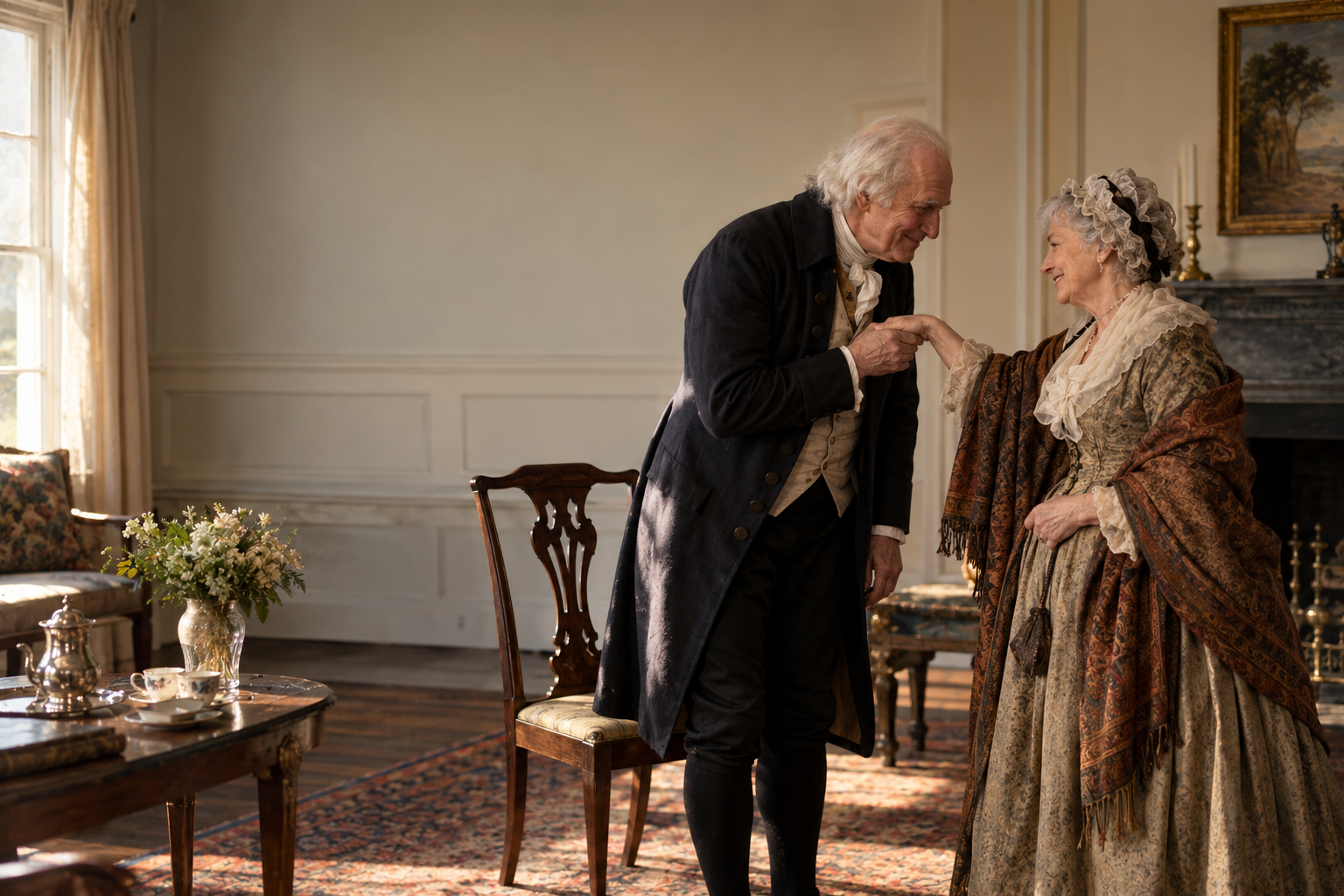
In the early 1820s, nearly ninety-year-old John Adams reportedly welcomed Hannah Storer, once the young woman he had called “Orlinda,” with a teasing invitation to walk again in Cupid’s Grove. Her reply recalled that it would not be their first walk there. The Adams Papers preserve this charming exchange while carefully identifying its status: it comes from Josiah Quincy’s later reminiscence, not a contemporaneous diary entry. That distinction offers a practical lesson for family historians. A story can remain warm and memorable while clearly separating witnessed facts, later recollection, and uncertainty. When recording a family anecdote, save the place, people, remembered words, source, and approximate date. The small exchange may reveal more than a formal milestone: affection, humour, privacy, and the meaning a familiar place gathers across a lifetime....

Need Help?
Hello! How can we assist you today?