Blog

Articles about memoir writing, family stories, and memory preservation.

Active topic: Memoir Writing
When You Remember the Conversation but Not Every Word
October 05, 2026

When You Remember the Conversation but Not Every Word

Remembering a family conversation does not require pretending you have a perfect transcript. This guide shows memoir writers how to separate words they recall, meaning they remember, and details they are inferring. It offers practical alternatives to uncertain quotation marks: summary, indirect speech, transparent reconstruction, and concrete actions that happened around the exchange. A four-pass method helps writers inventory the scene, clarify its meaning, choose the right form, and add present-day reflection. The article also explains why consent matters when another person’s private experience enters a memoir, drawing on Smithsonian and Oral History Association guidance. The central takeaway is simple: preserve the emotional and observable truth of the conversation while making uncertainty visible....
Louis Armstrong’s First Cornet Had More Than One Story
October 02, 2026

Louis Armstrong’s First Cornet Had More Than One Story

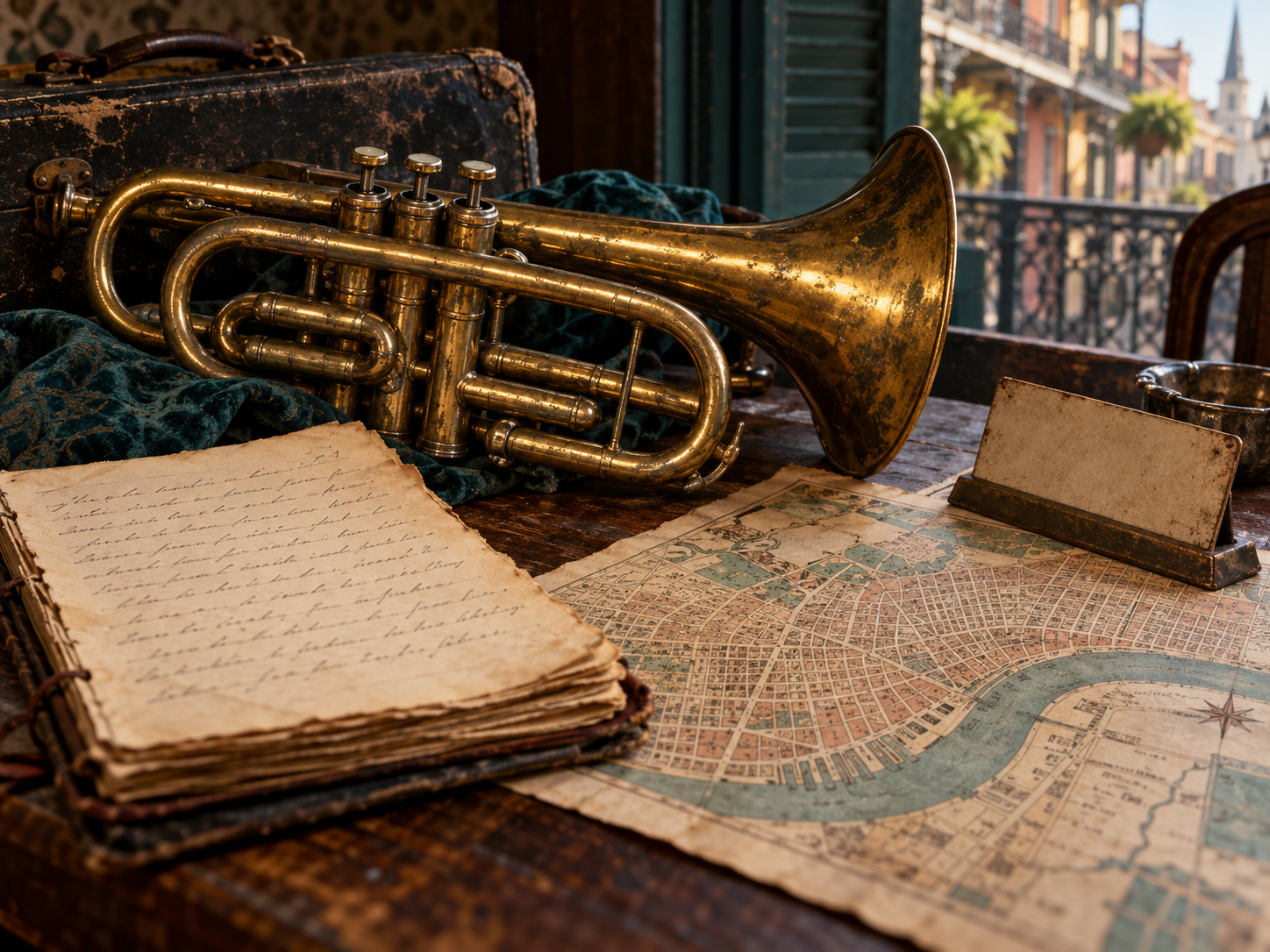
Louis Armstrong’s first cornet has more than one documented beginning. His 1950s autobiography describes his musical development at the Colored Waifs’ Home for Boys after he was sent there for firing a pistol into the air on New Year’s Eve in 1912. A later memoir about the Karnofsky family adds an important correction: the family helped him buy a worn cornet from a pawnshop before or around that chapter of his life. The Home provided formal lessons and a band; the family helped make instrument ownership possible. Together, the sources show how a life story can become more truthful when it keeps its people, objects, and revisions visible. For family historians, one heirloom can open questions about who paid, who taught, what records survive, and which version needs expanding....

Ask About the First Home They Remember
October 01, 2026

Ask About the First Home They Remember

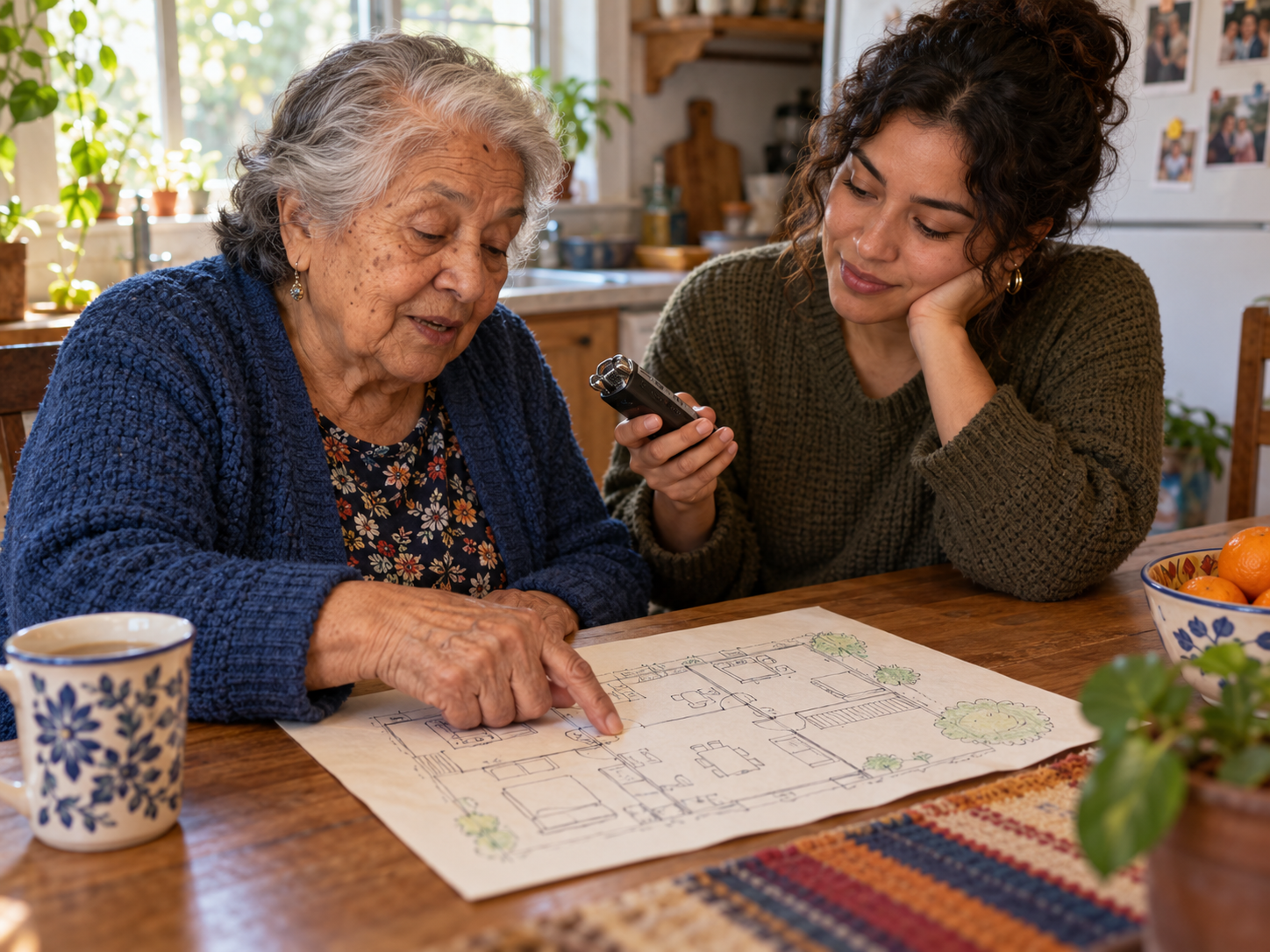
An address is only the beginning of a family home story. Invite an older relative to walk through the first home they remember, room by room, and listen for the ordinary details that official records cannot preserve: routines, sounds, neighbours, shared spaces, household rules, and changes over time. Ask permission before recording, use open-ended questions, and let the storyteller skip anything private. A simple hand-drawn map can accompany the conversation, clearly labelled as remembered rather than measured fact. Keep memories, documents, and uncertainties in separate sections so future readers can understand both the story and its limits. This small two-generation project can become a meaningful gift of attention—and a lasting record of the people and places that made a home....

The Five-Line Memory Ledger: A Small Practice for Saving Ordinary Days
September 30, 2026

The Five-Line Memory Ledger: A Small Practice for Saving Ordinary Days

A family history is built from ordinary details as much as from major milestones. The five-line memory ledger offers a small, repeatable practice: record the date and place, name the people present, capture one concrete detail, describe what happened, and reflect on why it mattered—or what remains uncertain. The method avoids the pressure of writing a polished memoir while preserving useful context for future readers. Honest approximations are welcome, and guesses should be labelled rather than turned into facts. Over time, a collection of short entries can reveal recurring places, routines, relationships, and unanswered questions. Those patterns may become longer memoir scenes or prompts for family conversations. Begin with one ordinary day, write for ten minutes, and let the record grow at its own pace....

Write the Sound of a Place Into Your Memoir
September 28, 2026

Write the Sound of a Place Into Your Memoir

Sound can be a practical doorway into memoir when visual memories feel incomplete. This guide shows writers how to choose one bounded place, identify a remembered sound, and build a four-part sound inventory that separates direct recollection from later knowledge and uncertainty. A five-beat sequence helps turn scattered impressions into a scene, while careful treatment of remembered dialogue prevents invented precision. The article also explains how to invite a relative’s version through open questions, obtain consent before recording, label and back up an audio file, and protect the original. The central exercise is simple: choose one place, list five sounds, describe what followed the sound you remember best, and add present-day reflection only after the scene is drafted....

Before the Bus: The Childhood Story Rosa Parks Wrote Down
September 25, 2026

Before the Bus: The Childhood Story Rosa Parks Wrote Down

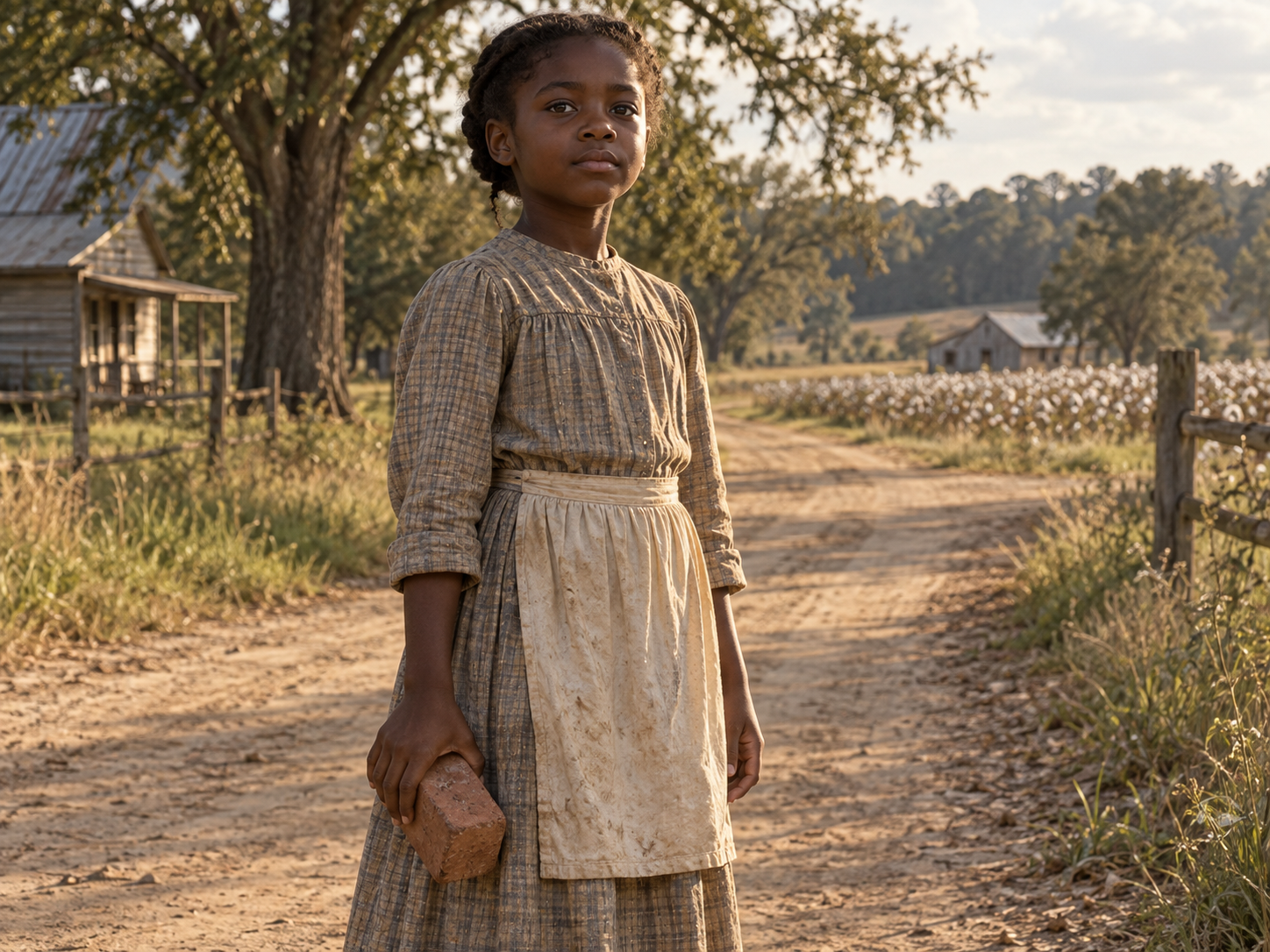
In a later autobiographical manuscript, Rosa Parks recalled a childhood encounter with a white boy who threatened to hit her. She wrote that she picked up a brick and dared him to try; he backed away. The Library of Congress preserves this account and identifies it as a retrospective manuscript, not a contemporaneous report. That distinction makes the story more useful, not less: it shows how a person can preserve an early memory while acknowledging the limits of what later recollection can prove. Parks also connected the moment to her grandfather’s teaching not to accept mistreatment. For family memoirists, the lesson is practical: save the small action, the object, the influential relative, and the source’s date. A vivid scene becomes trustworthy when we distinguish what was witnessed, remembered, inherited, and still uncertain....

Ask About the First Job: The Family Story Behind the Job Title
September 24, 2026

Ask About the First Job: The Family Story Behind the Job Title

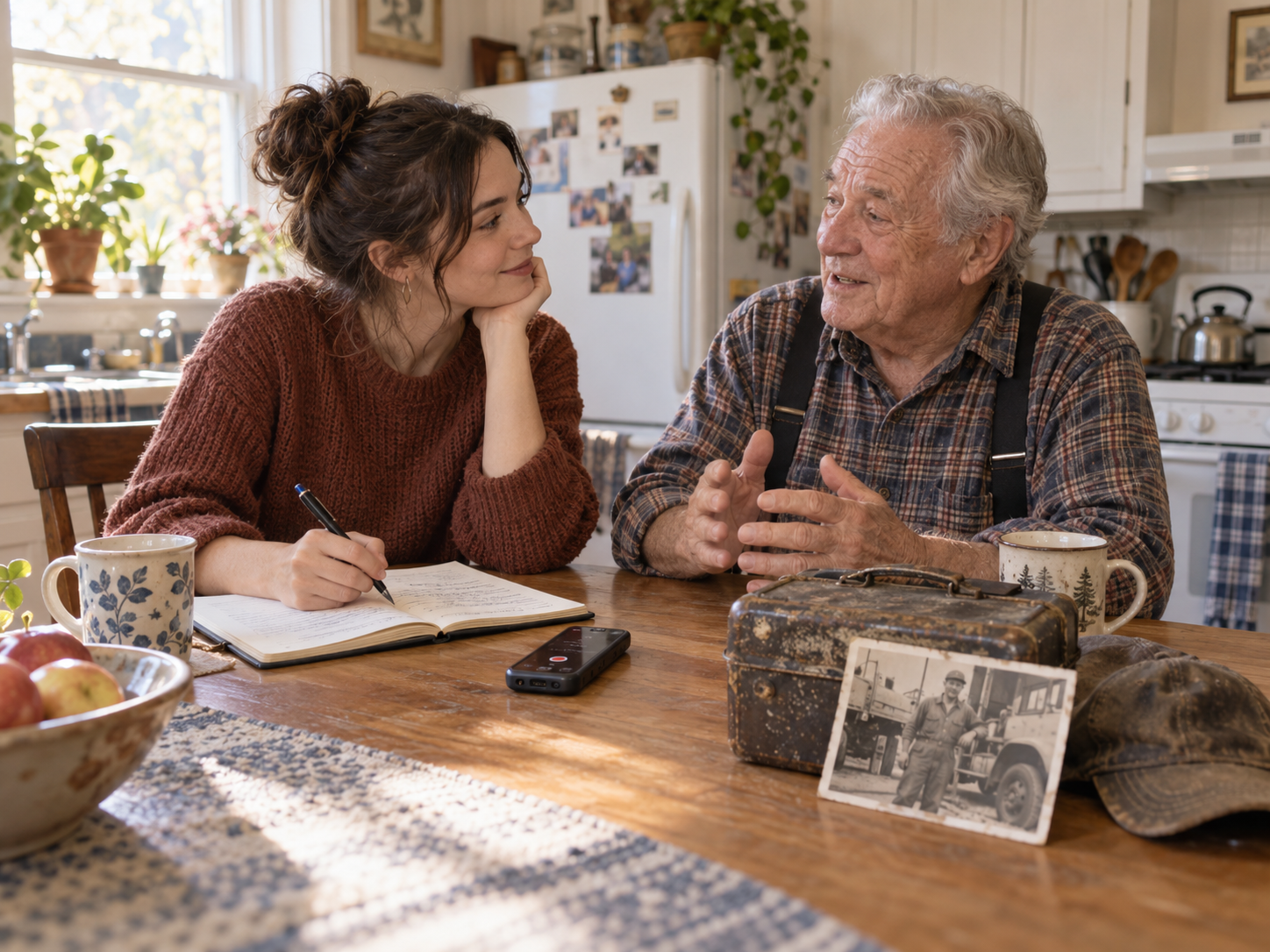
Asking a parent or grandparent about a first job can reveal the person behind a familiar family role. A job title leaves out the route to the workplace, the ordinary workday, the people who taught the new worker, the sensory details, the first paycheque, and the lessons that lasted. This guide offers a respectful two-generation interview: ask permission, explain how the recording will be used, invite an open-ended account, follow the people and routines, and separate remembered details from documents and uncertainty. The practical takeaway is simple: choose one relative, set aside a comfortable twenty minutes, and record one first-job story in the speaker’s own voice. A Memory Share subscription can make the invitation easier when it is paired with time, listening, and a promise to review the saved story together....

Write the Note Your Future Reader Will Need
September 23, 2026

Write the Note Your Future Reader Will Need

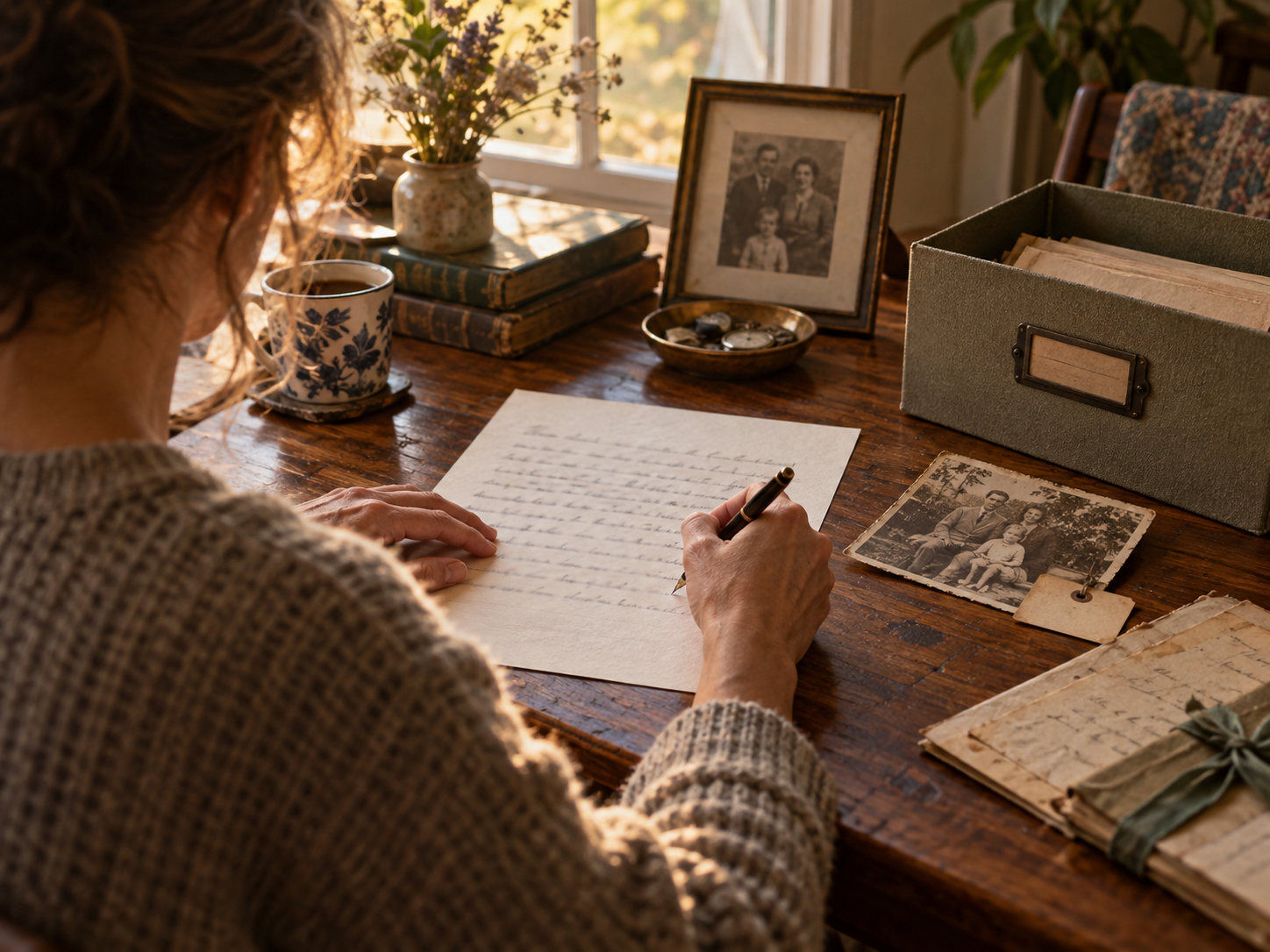
Writing for a future reader is a gentle way to preserve more than the event itself. Choose one bounded memory, give it an approximate date and place, then explain what happened, what a visitor would have noticed, who was involved, and what the moment means to you now. Separate direct recollection from later interpretation, hearsay, and unanswered questions. Add the context that a photograph, object, or official record cannot carry on its own: nicknames, household rules, routines, missing people, and why an ordinary item mattered. Finish with a short handoff inviting a future reader to add, correct, or compare their own version. The result is not a polished legend but a useful, honest piece of family history....

Robert Louis Stevenson and the Donkey Who Would Not Hurry
September 22, 2026

Robert Louis Stevenson and the Donkey Who Would Not Hurry

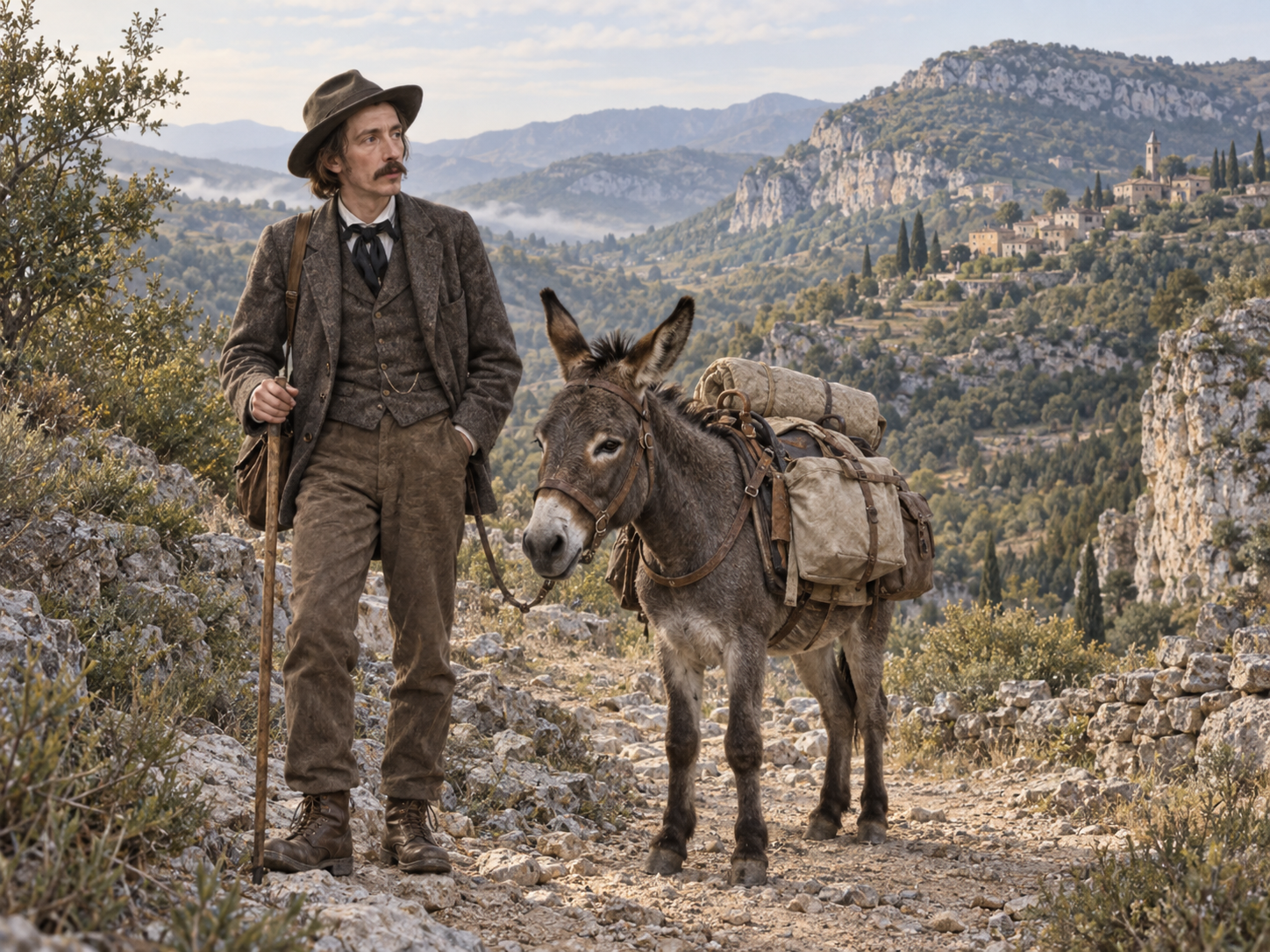
Robert Louis Stevenson’s *Travels with a Donkey in the Cévennes* preserves a wonderfully human travel problem: his small donkey, Modestine, would not match his preferred pace. Stevenson’s own 1879 narrative records the slow progress, repeated stopping, practical frustrations, and eventual affection that grew during their twelve-day journey. When Modestine had to be sold, the companion he had treated as an obstacle suddenly became the part of the trip he missed. The story offers a useful memoir lesson. Keep the inconvenience, the repeated behaviour, and the emotional reversal. Identify what comes from a record and what comes from later interpretation, and do not turn approximate dialogue into a quotation. Often the detail that complicated a family plan is the detail future readers most want to remember....

Need Help?
Hello! How can we assist you today?